Korean Fried Chicken in Korea: What to Order, and How Delivery Actually Works

The number of chicken restaurants in this country has fallen three years running. There are now about 39,800 of them, and roughly three quarters are franchise branches of the same few dozen brands.
At the same time, one bird has crept up toward 28,000 won. That is not a small amount of money for a takeaway dinner, and Koreans complain about it constantly.
We keep ordering anyway. Two or three times a month, in my case, usually on a Friday, usually with beer. So this is the honest version: what korean fried chicken actually is here, what to order when the menu is thirty items long, and how to get it delivered to a hotel room without a Korean phone number.
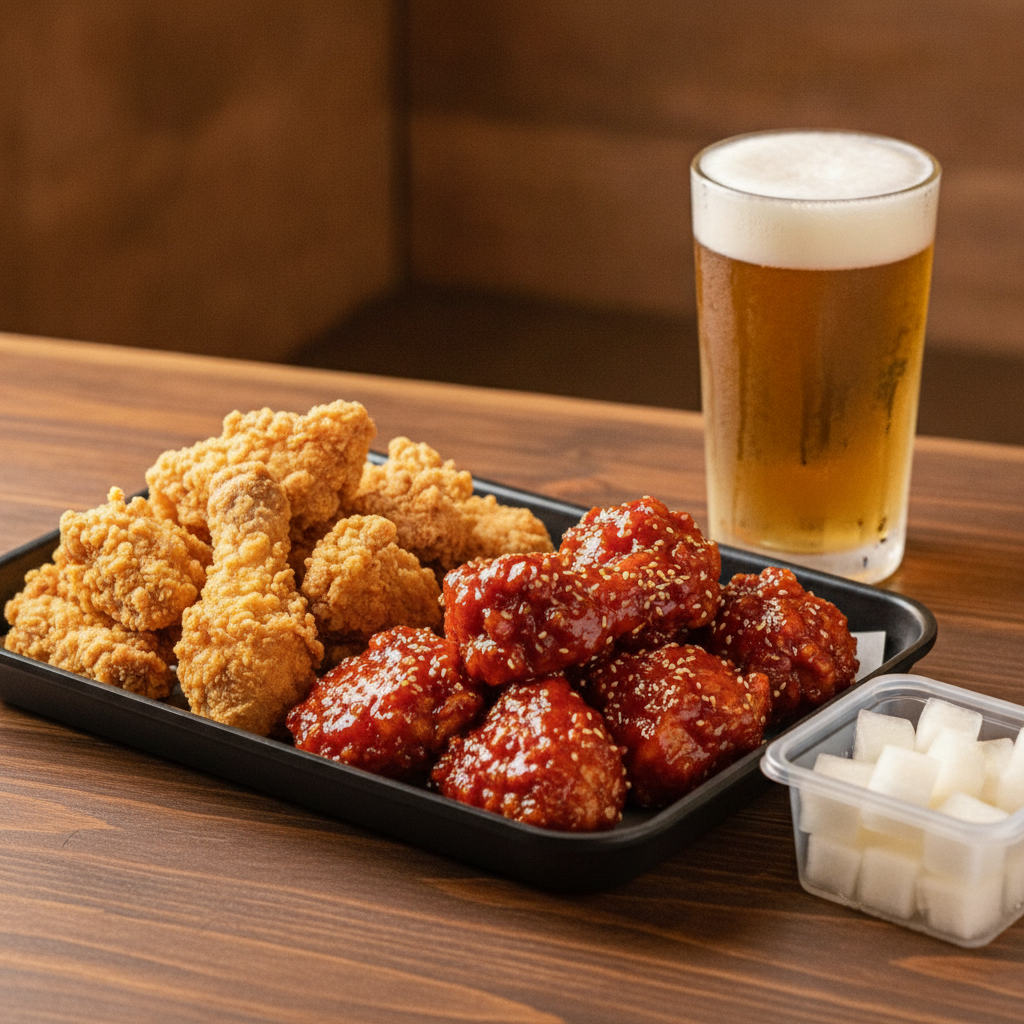
It is not the same dish you know abroad
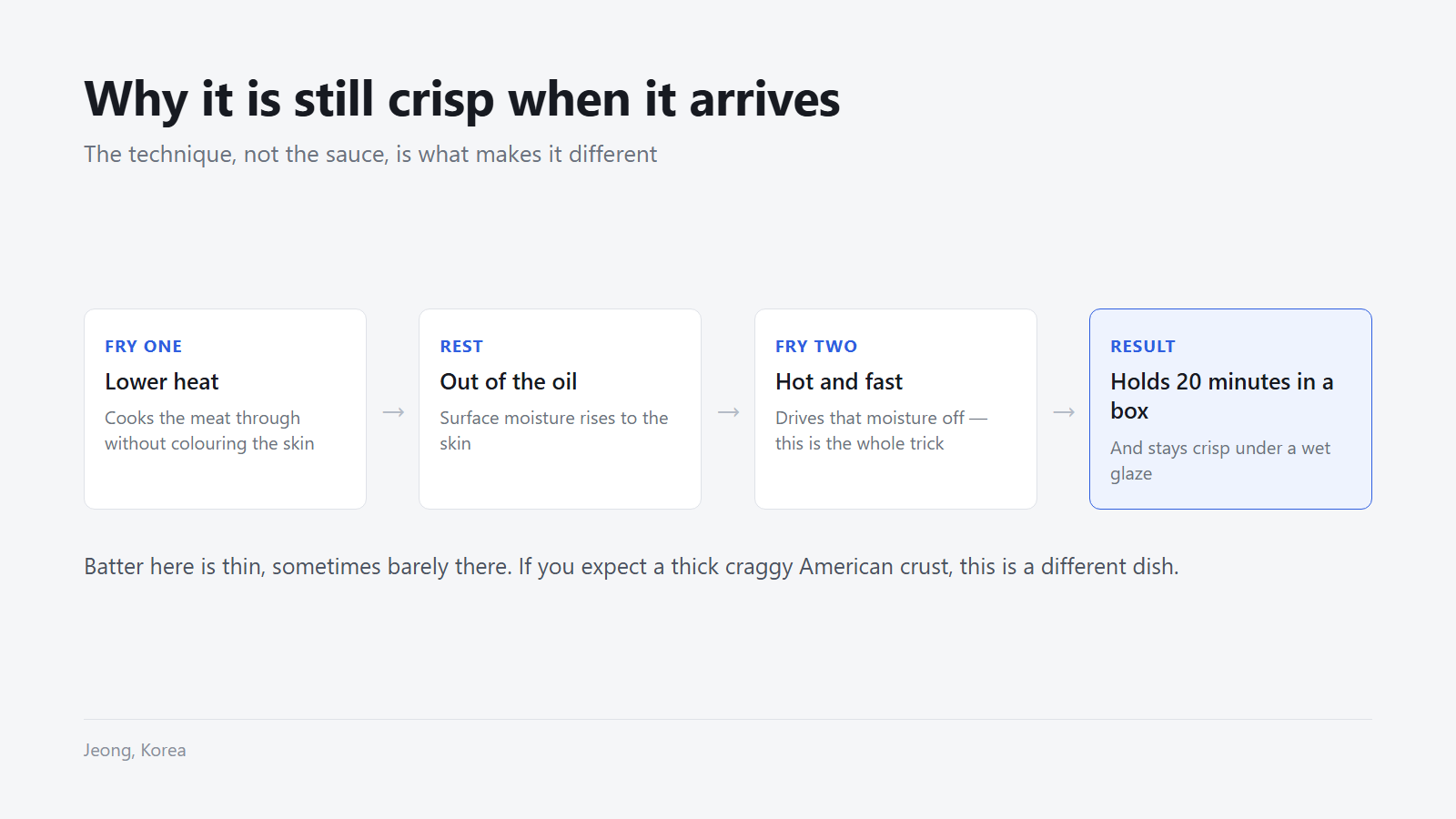
The thing that separates it is technique, not seasoning. The chicken is fried twice — once at a lower temperature to cook it through, then again hot and fast to drive the moisture out of the skin.
That second fry is why it stays crisp for the twenty minutes it sits in a delivery box, and why it holds up under a wet sauce without going soft. Batter here is thin, sometimes barely there. If you are expecting the thick craggy crust of American fried chicken, this is a different thing entirely.
Two more differences worth knowing before you order. It is almost always served cut into pieces, bones in, meant to be eaten with your hands from a shared tray. And it always arrives with 치킨무 — cubes of pickled white radish in a plastic tub. Do not skip them. They exist to cut the fat, and after three pieces you will understand why nobody here eats chicken without them.
The menu, decoded
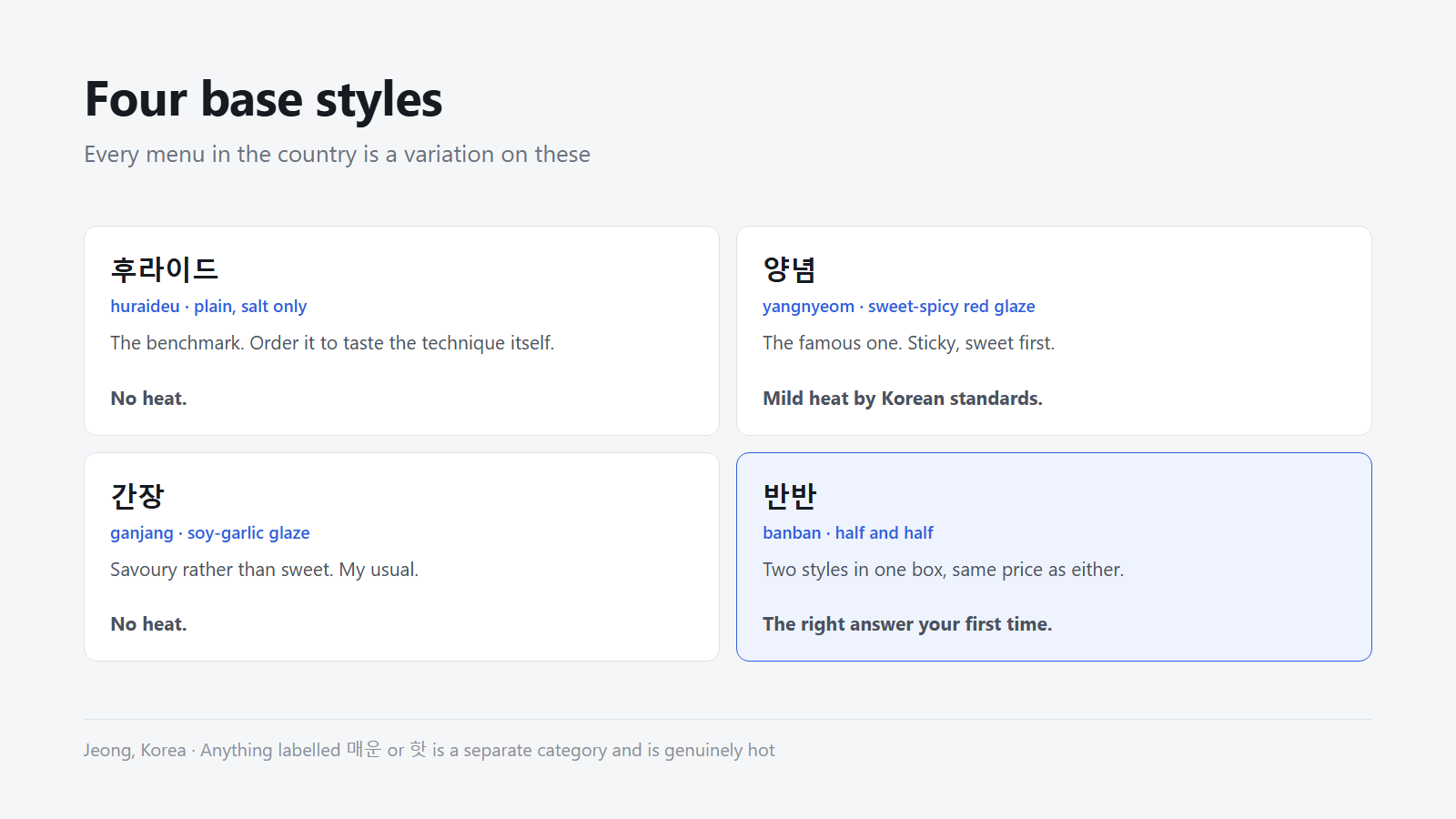
Every shop has its own inventions, but almost all of them are variations on four base styles. Learn these and any menu in the country becomes readable.
| Korean | What it is | Order it if |
|---|---|---|
| 후라이드 (huraideu) | Plain fried, salt only | You want to taste the technique. The benchmark |
| 양념 (yangnyeom) | Sweet-and-spicy red glaze | You want the famous one. Sticky, moderate heat |
| 간장 (ganjang) | Soy-garlic glaze | You want savoury rather than sweet. My usual |
| 반반 (banban) | Half and half, two styles in one order | It is your first time. Genuinely the right answer |
반반 is the move. You say it, they give you half plain and half sauced in the same box, and it costs the same as a whole bird of either. There is no reason not to, and it is what Koreans order when the group cannot agree.
Beyond the four, the common ones you will see are 마늘 (garlic), 파닭 (piled with shredded spring onion), and cheese-powder versions. Heat level: 양념 is mild by Korean standards. If a menu item has 매운 or 핫 in the name, take it seriously.
Chimaek, and why it is beer specifically
치맥 is 치킨 plus 맥주 — chicken and beer. It is not a marketing phrase, it is just what the combination is called, the way you would say "fish and chips".
The pairing is functional. Korean beer is light, cold and low in bitterness, which is exactly what you want against fried food and a sweet glaze. Wine fights it. Soju alongside works but is a much longer evening. If you want to understand what you are getting into with the soju option, the strength and pouring rules are here.
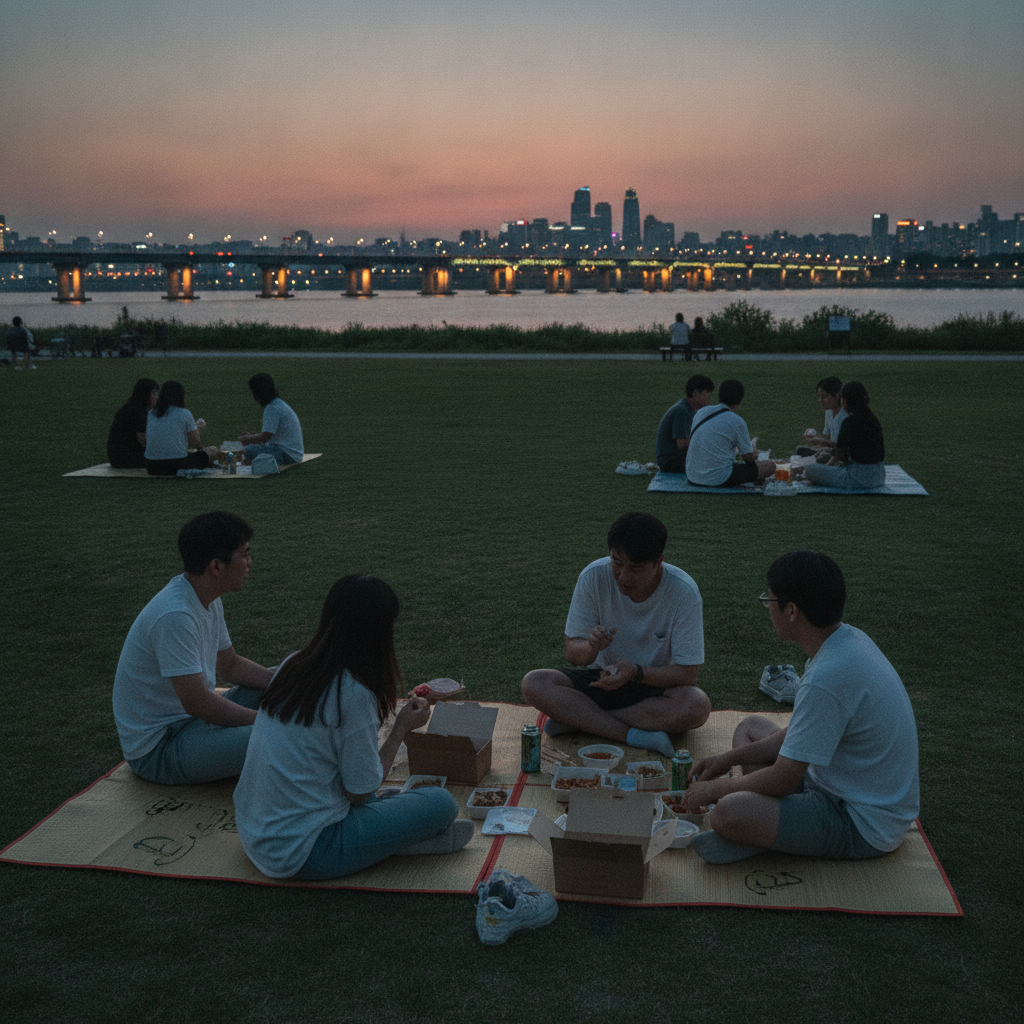
The other half of chimaek is where it happens: outdoors, in summer, by the river. Han River parks have designated delivery zones, and on a warm evening you will see hundreds of people sitting on mats with chicken boxes open in front of them. Riders find you by the zone name. It is one of the genuinely lovely things about a Seoul summer and it costs almost nothing.
What it costs, honestly
This is where visitors get surprised, so here are the actual numbers.
| Roughly | |
|---|---|
| One bird, franchise shop or delivery | 20,000 to 28,000 won |
| Delivery fee on top | 1,500 to 4,000 won |
| Supermarket rotisserie or fried chicken | 8,000 to 12,000 won |
| Beer, convenience store | 2,000 to 3,000 won |
| Beer, chicken restaurant | 5,000 won and up |
So a proper delivered chimaek for two lands around 35,000 won once you add beer. A supermarket bird plus convenience store beer does the same job for under 20,000. Both are legitimate. Koreans do both.
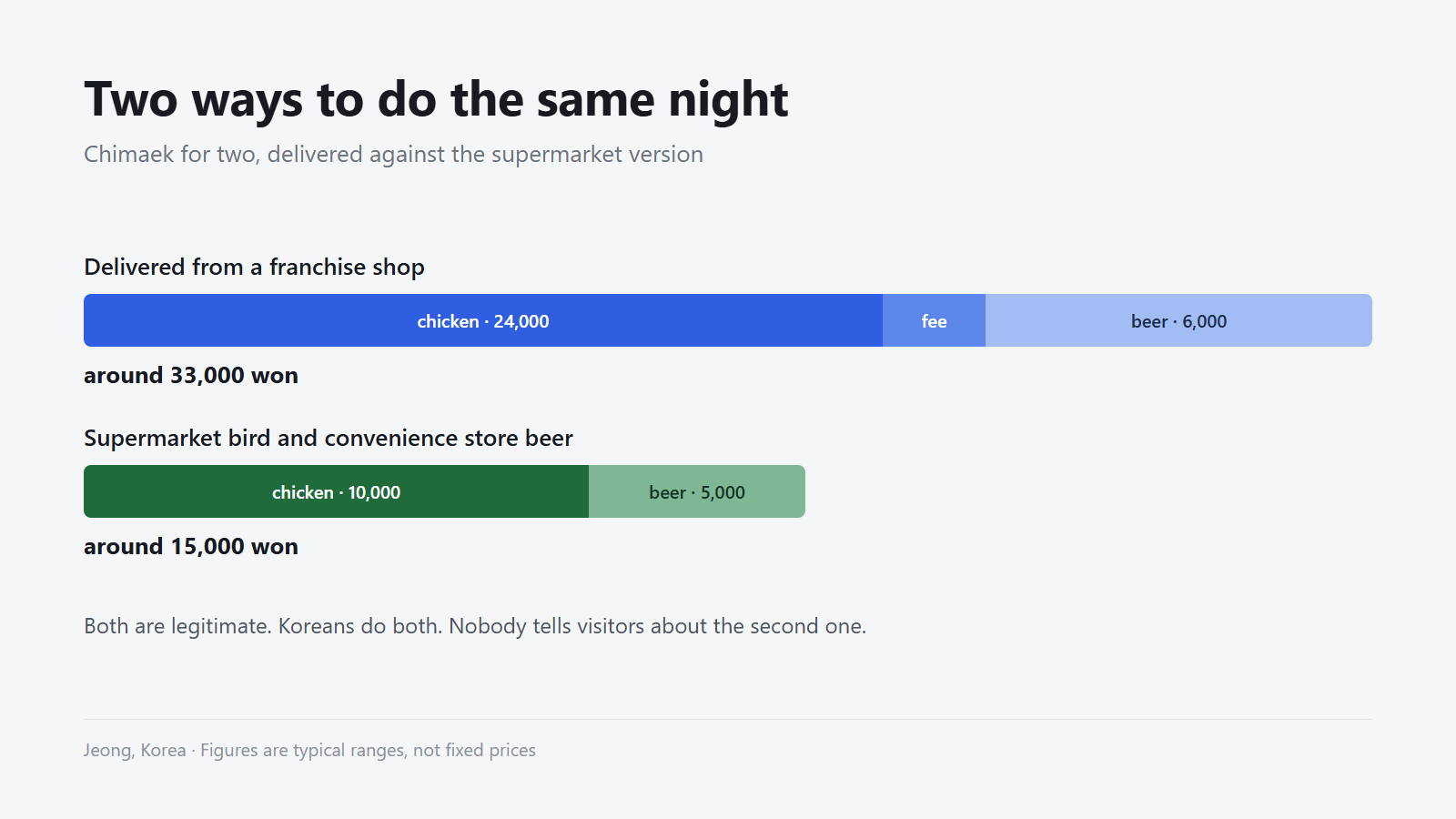
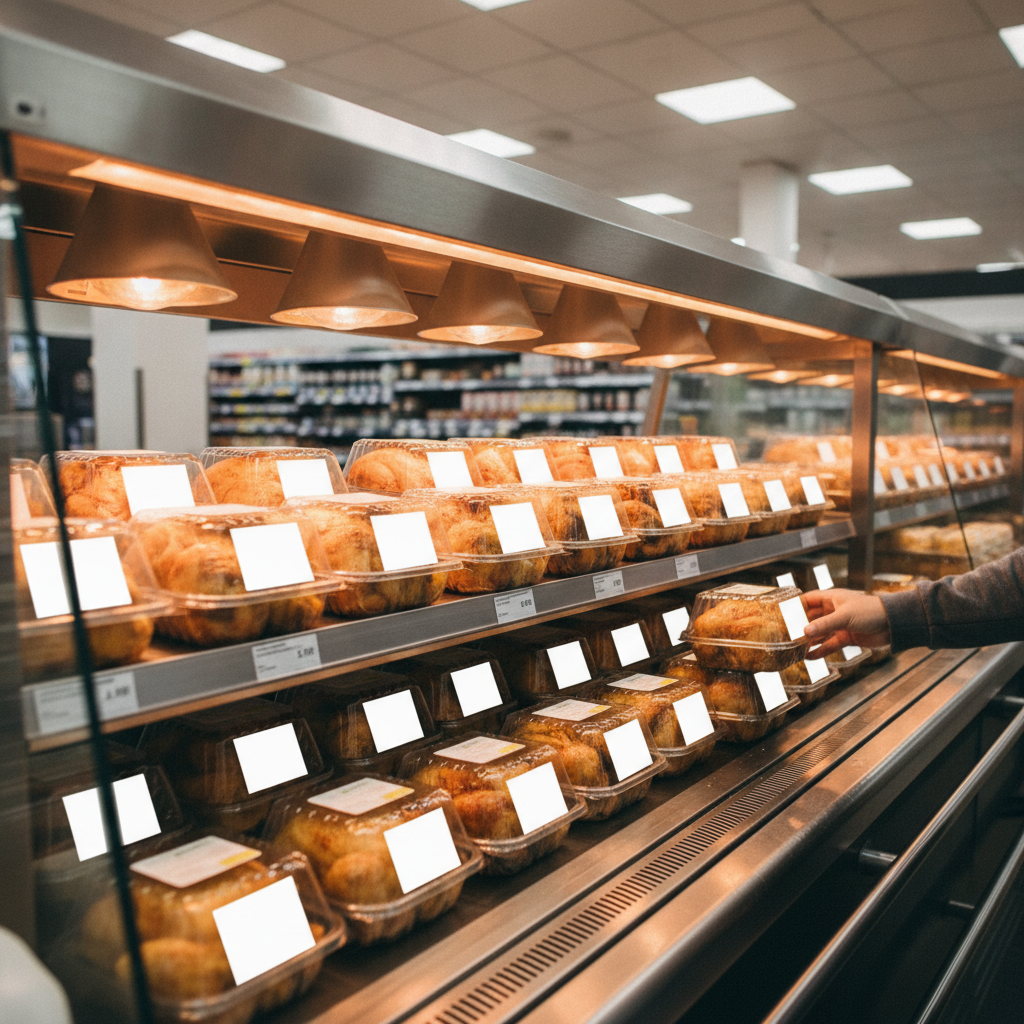
The supermarket version deserves a mention because nobody tells visitors about it. Large supermarkets sell whole fried chickens at a fraction of franchise prices, and they are genuinely good. It is the standard move for people who want chicken without the delivery-app ritual.
Getting it delivered, step by step
Here is where a foreign phone number becomes a problem, and where most guides stop being useful.
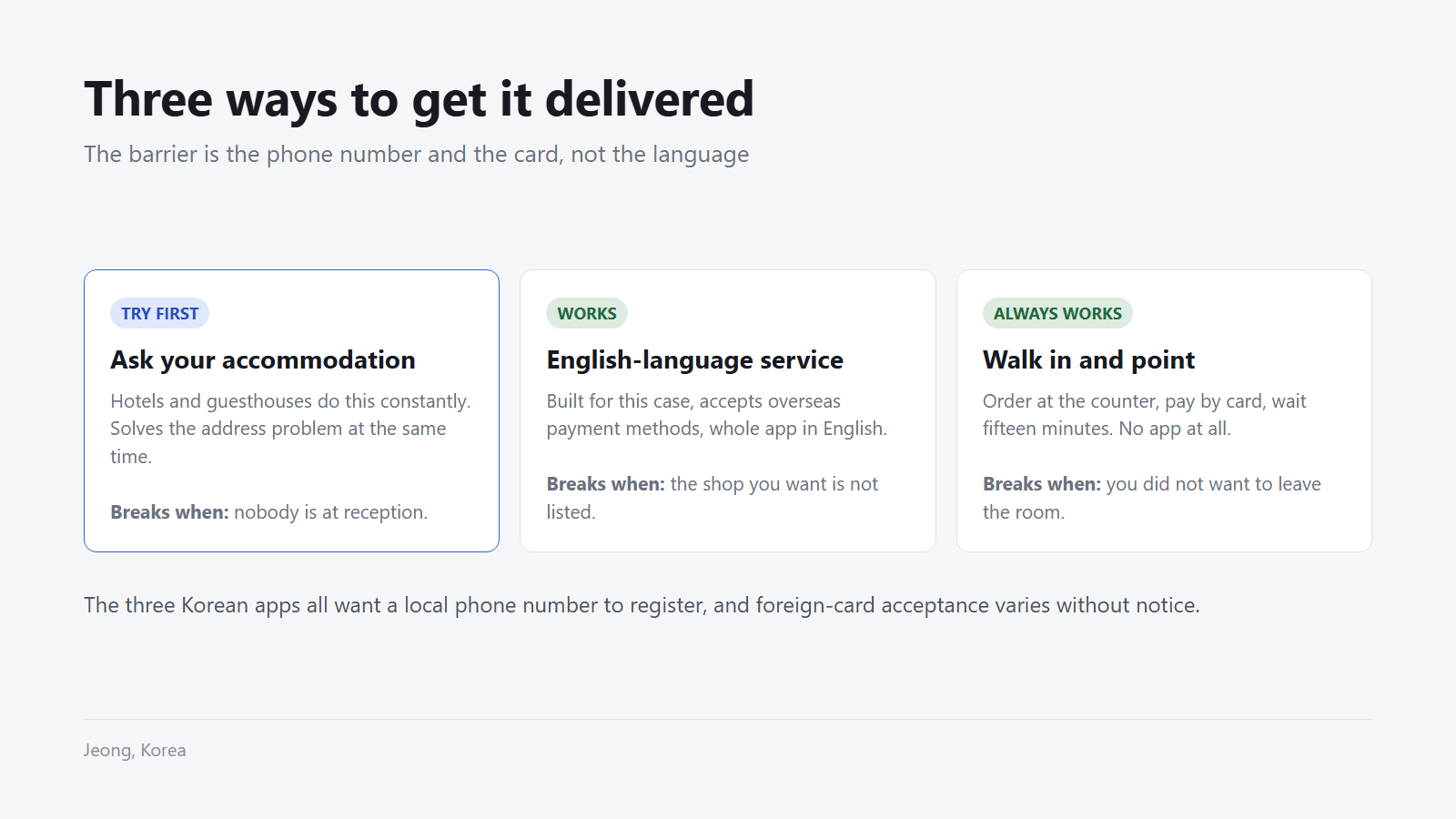
The three big apps are 배달의민족, 쿠팡이츠 and 요기요. All three are Korean-first, all three want a Korean phone number for sign-up, and card acceptance for foreign-issued cards varies by app and changes without notice. That is the real barrier — not the language.
The workarounds, in the order I would try them:
-
Ask your accommodation to order. Hotels and guesthouses do this constantly and most will not blink. This is by far the fastest route and it solves the address problem at the same time.
-
Use a foreigner-facing delivery service. Shuttle is built for exactly this case: the whole app is in English and it accepts overseas payment methods. Selection is smaller than the Korean apps but chicken is well covered.
-
Order in person, at the shop. Walk into a chicken shop, point, pay by card, and wait fifteen minutes. No app required. This works everywhere and is criminally underused by visitors.
Whichever route you take, the address is the part that goes wrong. Korean addresses do not translate cleanly, so give the building name in Korean if you have it, or have your accommodation write it down for you before you leave in the morning.
Eating it in the shop instead
Ordering delivery is the default for Koreans because we are usually at home. As a visitor you are not, and sitting in the shop is often the better experience.
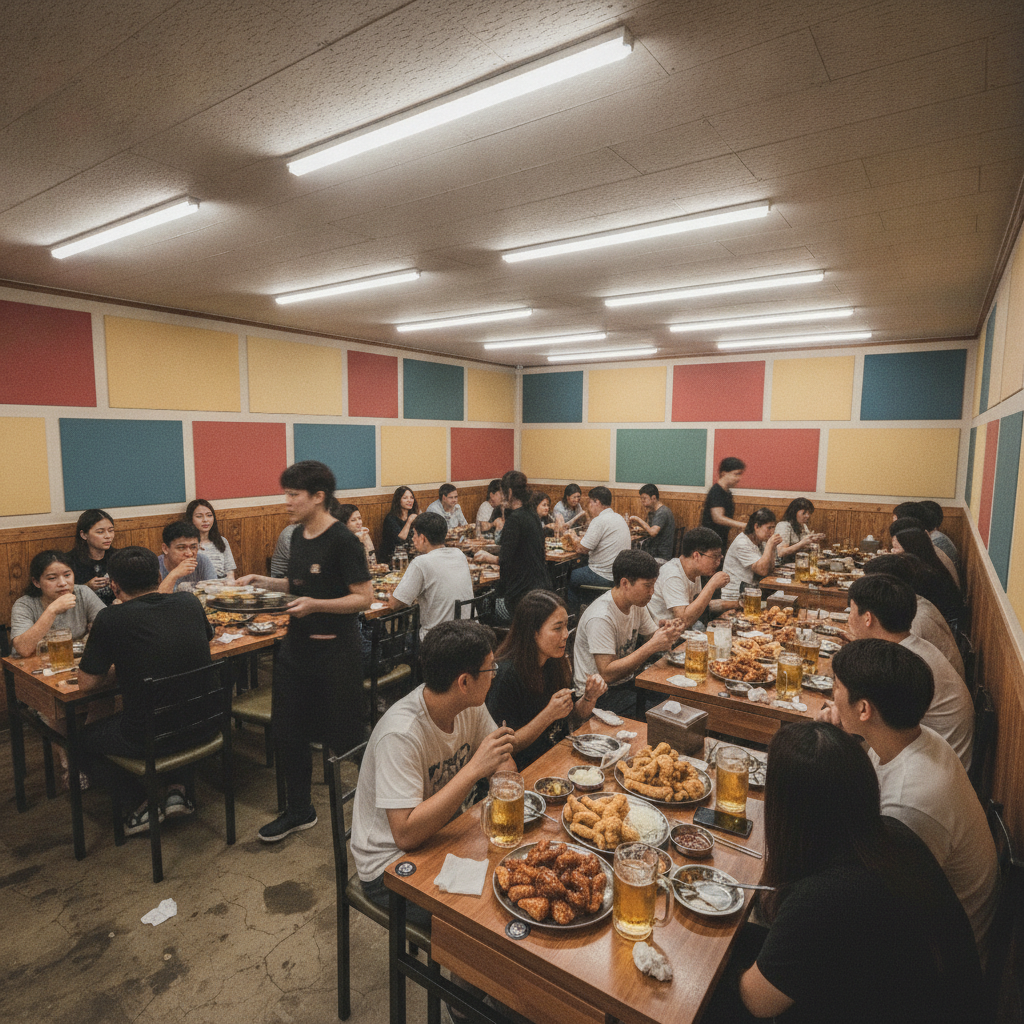
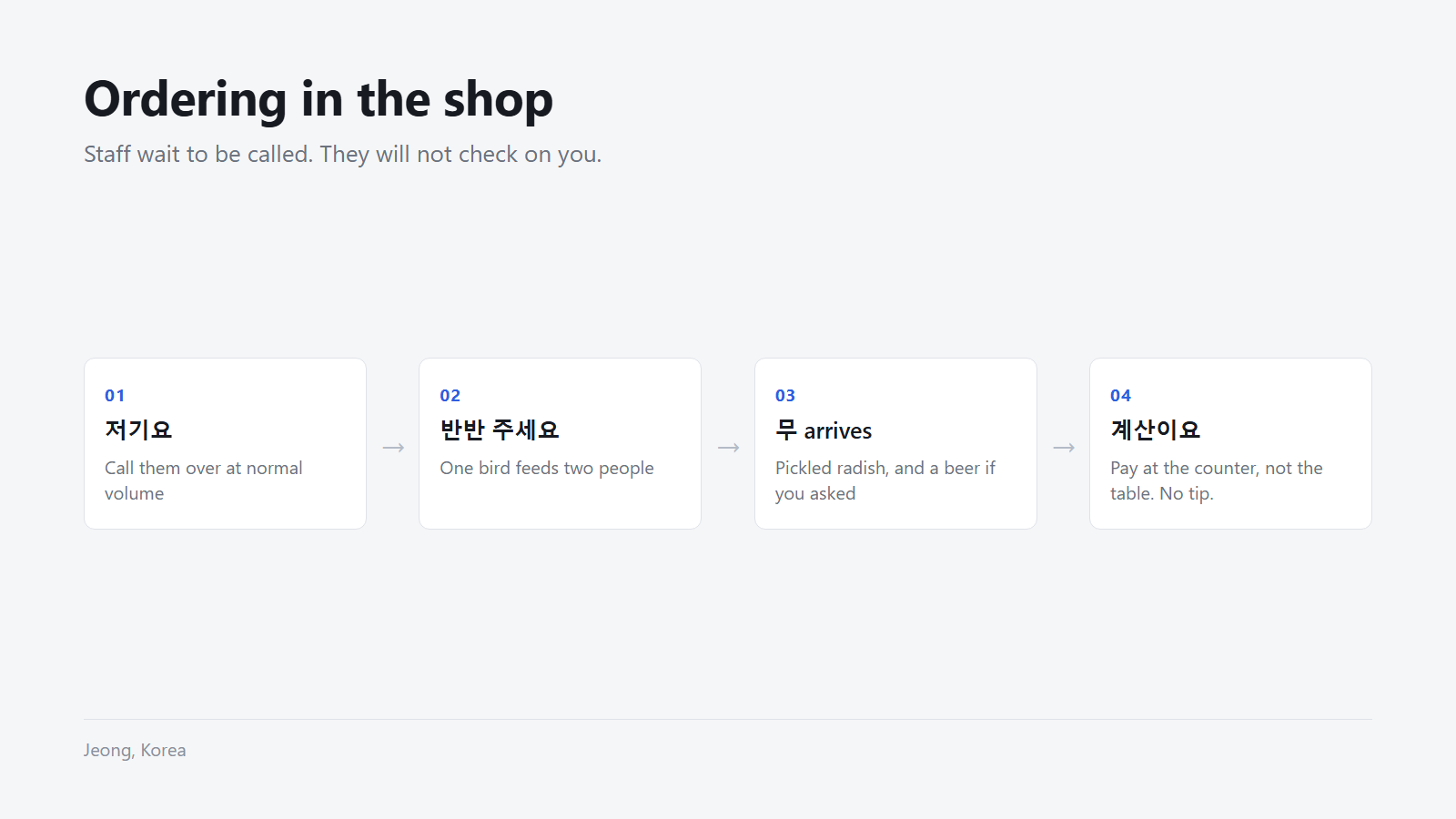
A 치킨집 is a restaurant and a bar at once. Cheap, bright, loud, open late, beer on tap. You order one bird for two people, get 무 and sometimes a small salad, and stay for two hours. Staff will not rush you.
Call the staff over with 저기요 rather than waiting to be checked on — that is how service works here, and the phrases guide covers the rest. Then say 반반 주세요 and you have ordered correctly.
What to do with the leftovers
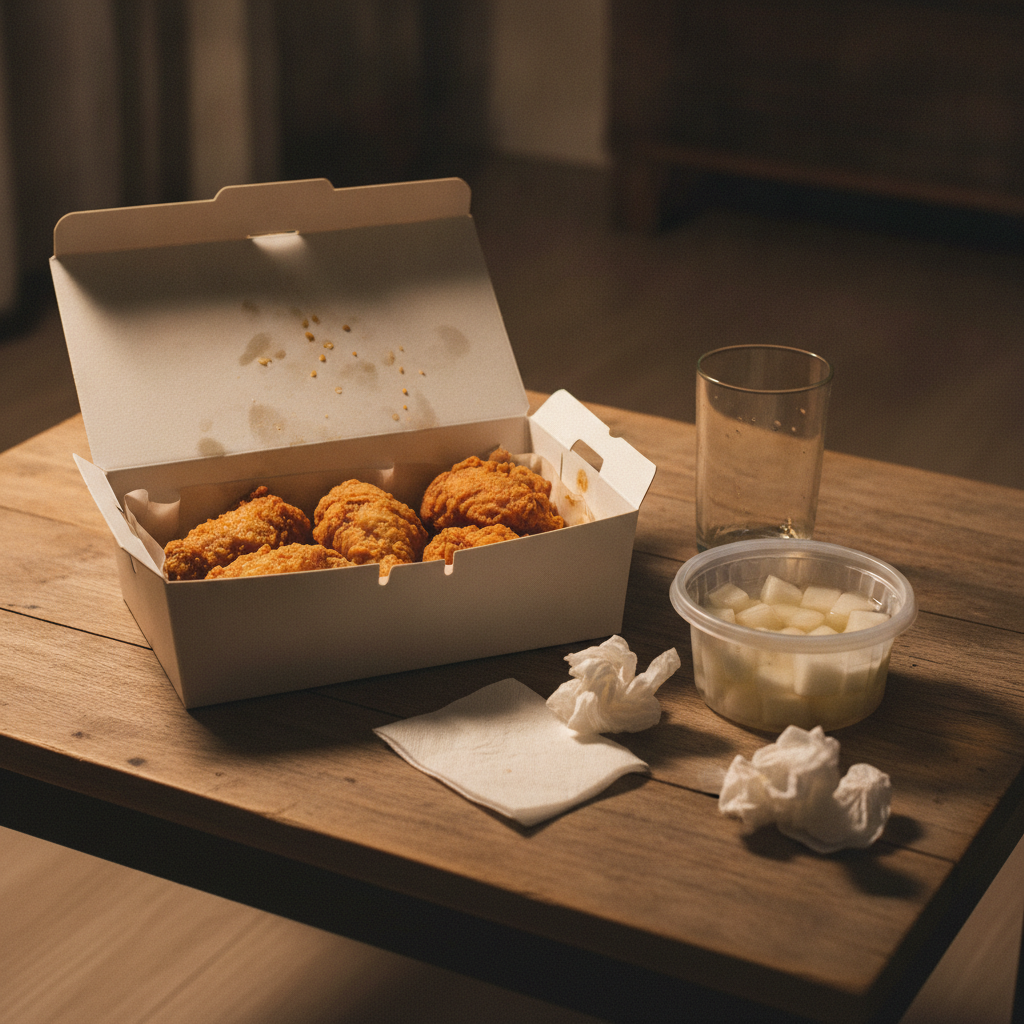
You will have leftovers. One bird is genuinely a lot of food, and the boxes are not resealable.
Cold fried chicken the next morning is a recognised pleasure here and needs no defending. If you have access to a microwave it comes back reasonably well; if your accommodation has an air fryer, three minutes restores the skin almost completely. What does not work is leaving it out overnight in a Korean summer — the humidity here is not kind to fried food.
FAQ
What should I order if it is my first time?
반반 (banban) — half plain, half sauced, same price as a whole bird of one type. It lets you taste the technique on the plain half and the famous sweet-spicy glaze on the other, and it removes the need to guess.
Is korean fried chicken spicy?
The standard 양념 sauce is sweet first and mildly spicy second. Most people who dislike heat are fine with it. Anything labelled 매운 or 핫 is a separate category and is genuinely hot. Plain 후라이드 and soy-garlic 간장 have no heat at all.
Can I order delivery without a Korean phone number?
Not easily through the three main Korean apps, which want a local number to register. The practical routes are asking your accommodation to order for you, using an English-language service like Shuttle that accepts overseas cards, or simply walking into a shop and ordering at the counter.
Why does it come with pickled radish?
치킨무 cuts through the fat and resets your palate between pieces. It is not a garnish and it is not optional in any real sense — every order includes it, and you will finish the tub.
Is it cheaper to eat in the shop or order delivery?
The chicken costs about the same. Delivery adds a fee of a few thousand won; eating in adds the cost of beer at restaurant prices rather than convenience store prices. For two people the totals land close together, so choose by whether you want to sit somewhere or not.
What is the beer situation?
Light Korean lagers on tap or in bottles, served very cold. Chicken shops almost always have beer, and beer places almost always have chicken. If you want something more interesting, the craft scene exists but chicken shops are not where it lives.
The short version
Order 반반, take the pickled radish seriously, and drink light beer with it. If you cannot get an app to work, ask your hotel or just walk into a shop and point.
That is the whole thing. Korean fried chicken is not complicated food, and the fact that a country of 52 million supports 39,800 shops selling it tells you the important part already.
If you are building an evening around it, the convenience store guide covers the cheaper version of the same night.
Sources
-
National statistics on chicken restaurant counts and franchise share, as reported by SBS News: https://news.sbs.co.kr/news/endPage.do?news\_id=N1008324225
-
Reporting on franchise chicken outlet numbers passing 30,000: https://www.sentv.co.kr/article/view/sentv202512280004
Prices move. Check the menu rather than this page.