Gangneung Beach: The Season Ended on 23 August, and That Is When Koreans Start Going

The official swimming season on the Gangneung beaches in 2026 ran to 23 August. Gyeongpo opened on 4 July, the other seventeen beaches in the city opened on 10 July, and all of them closed on the same day in late August.
If you are reading this in September, the season is over. That is not the bad news it sounds like, because the weeks after closing are when a lot of Koreans deliberately come here.
What changes on closing day is narrower than people assume, and knowing exactly what changes is the difference between a good trip and a wasted one.
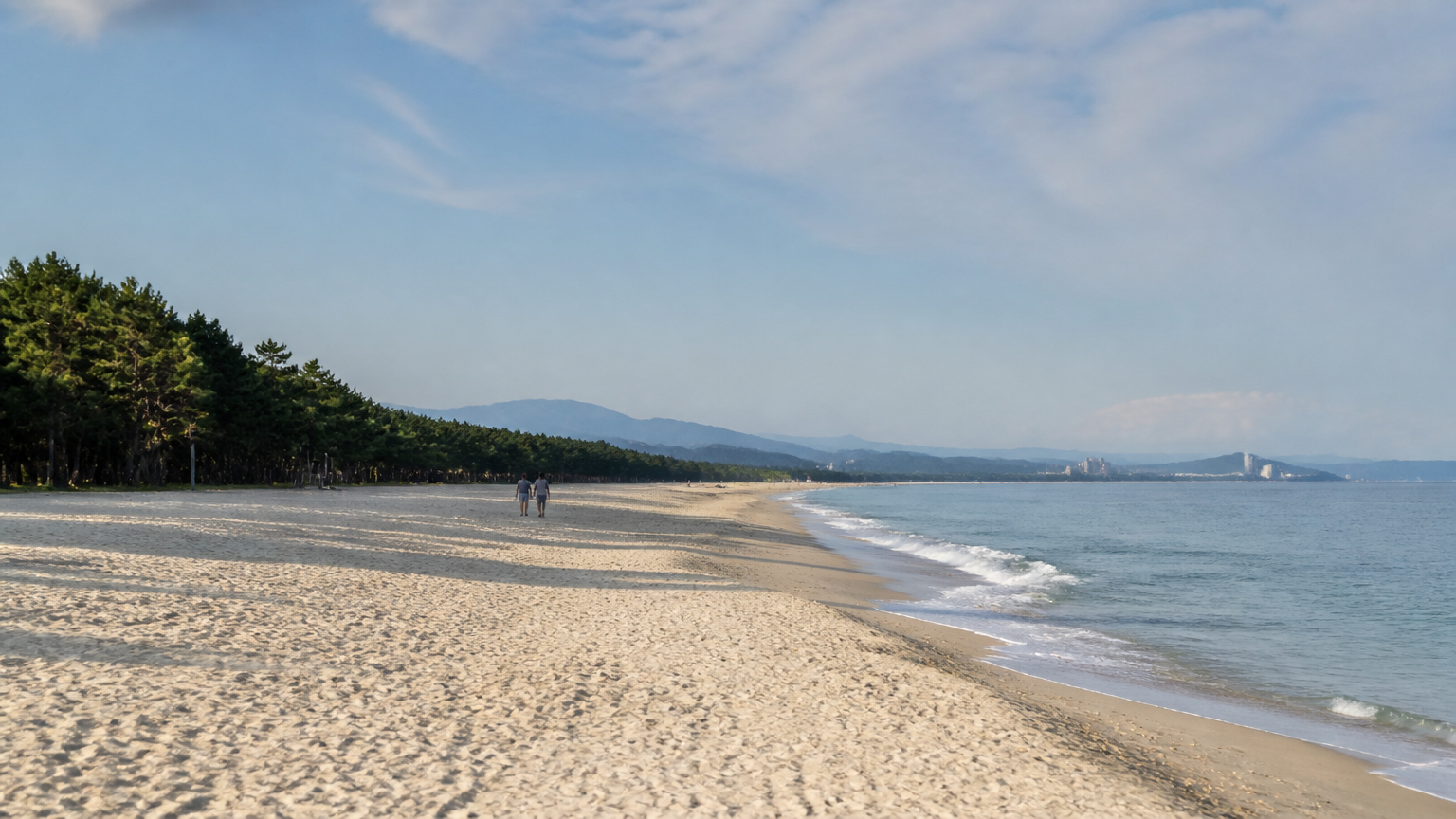
The season is short, and it is shorter than the weather
The east coast runs a compressed official season. In 2026 Gyeongpo, the largest beach, was open from 4 July to 23 August. The city's other seventeen beaches ran from 10 July to 23 August, which is forty-five days.
Forty-five days is the whole thing. Compare that with the water and air temperatures, which stay comfortable well into September, and you can see the gap the calendar leaves. The season is set by staffing and administration rather than by whether it is warm enough to swim, and the coast does not become unpleasant on 24 August.
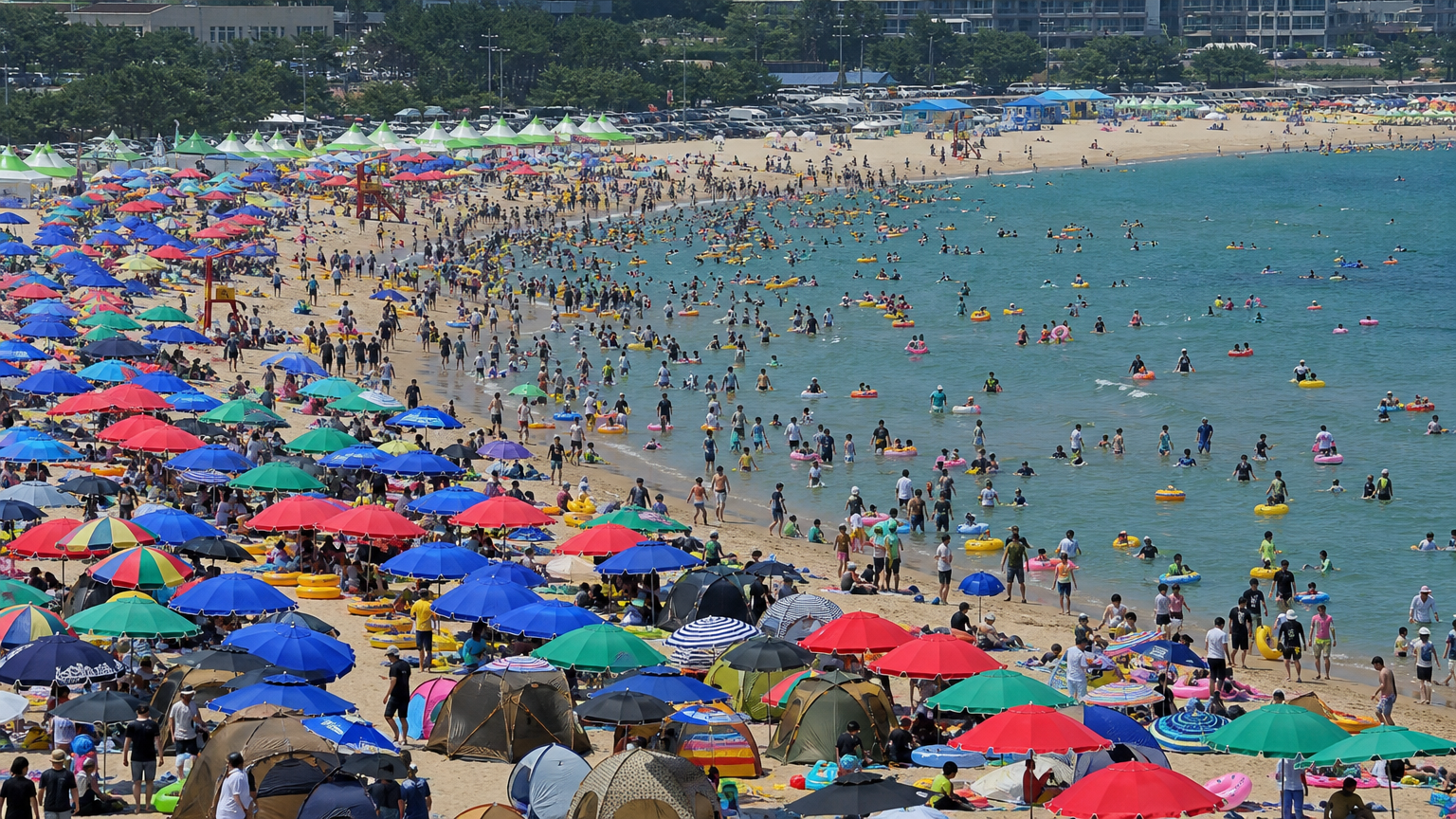
What it does become is empty. Through July and August these beaches carry the national holiday crowd, and Gyeongpo in particular is shoulder to shoulder. From late August the crowd disappears in about a week.
So the question is what you lose by arriving after the date.
What closing actually removes, and what it does not
Closing a beach in Korea is an administrative act, not a locked gate.
What ends on the closing date is the managed operation: lifeguards and water-safety staff, the marked swimming zone, and the seasonal rental and shower infrastructure that goes up for the season. The sand itself stays open. You can walk it, sit on it, and use it at any hour of the year, and plenty of people do.
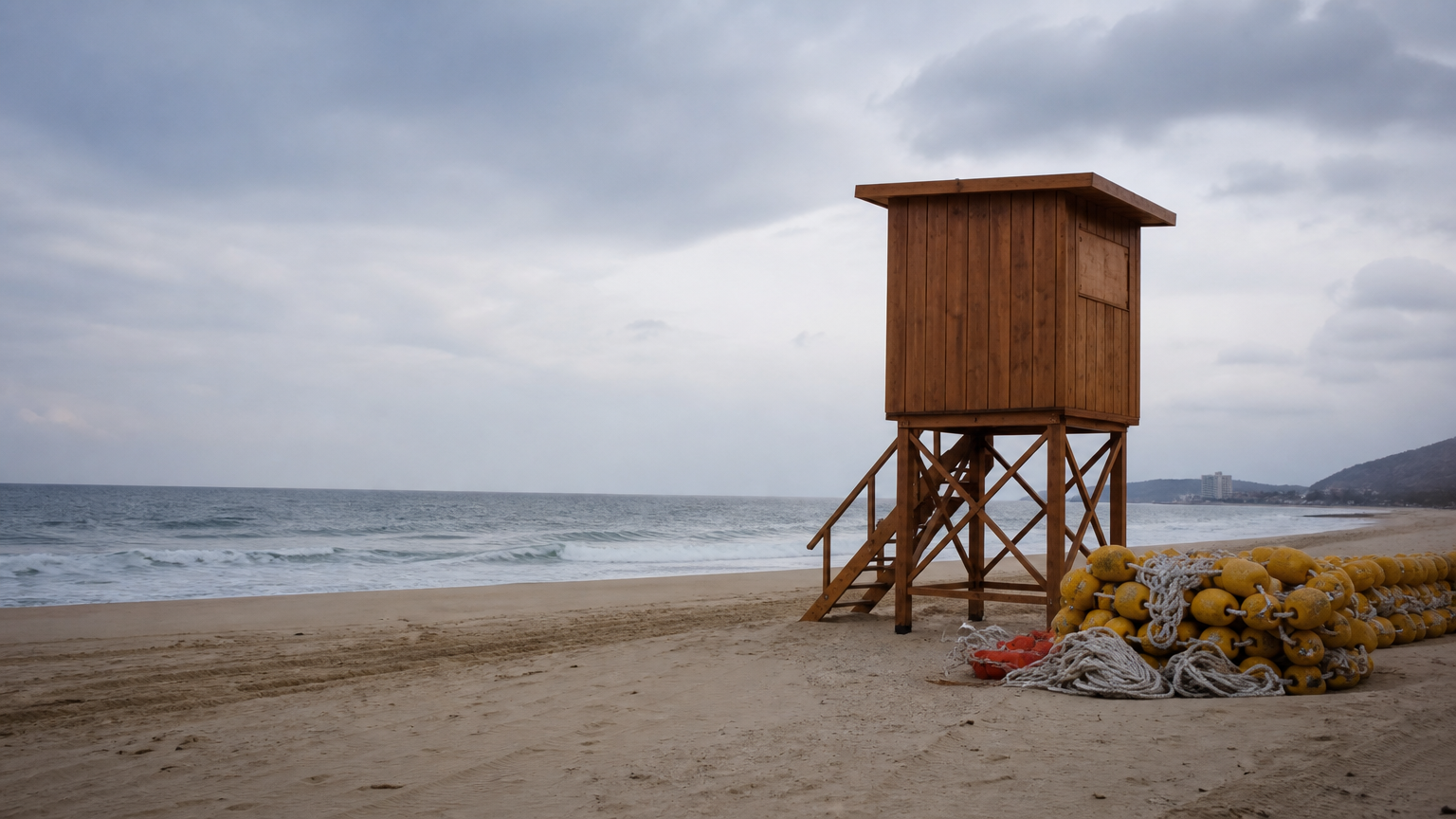
The practical consequence is a real one and worth stating plainly. Swimming after the season closes means swimming without supervision, and the east coast has genuine currents. Koreans coming in September are largely not coming to swim. They are coming to walk the sand, eat, and sit with a coffee looking at the water, which is a different activity that the closing date does not affect at all.
The cafes are the clearest case. This city's coffee reputation is concentrated on the seafront, and those businesses run all year. In September they are pleasant. In August they have queues.
| In season, July to 23 August | After closing | |
|---|---|---|
| Lifeguards and marked swim zone | Yes | No |
| Access to the sand | Yes | Yes |
| Seafront cafes | Open, busy | Open, quiet |
| Crowds | Peak national holiday levels | Close to none |
| Swimming | Supervised | Unsupervised, at your own risk |
Busan runs its coast on a slightly different calendar, and the exception there is worth knowing if you are comparing the two: Haeundae: Every Other Busan Beach Closes on 31 August. This One Does Not.
Which leaves the question of which one, because they are not interchangeable.
The Gangneung beaches are not interchangeable, and Gyeongpo is not the default answer
There are eighteen official Gangneung beaches. Visitors tend to hear about one of them.
| Beach | What it is for | When it makes sense |
|---|---|---|
| Gyeongpo | The big one, with the lagoon and park behind it | The full beach day, and the one to avoid in August |
| Anmok | The seafront cafe strip, coffee rather than swimming | Any month, and the reason a lot of people come |
| Gangmun | Small, between Gyeongpo and Anmok, walkable to both | A quieter sit-down without leaving the area |
| Sacheon | Further north, local rather than visitor-facing | Seafood and space |
| Jeongdongjin | South, right against the railway, famous for sunrise | Early morning, and only early morning |
Gyeongpo is the correct answer if you want a proper stretch of sand with things behind it. It is the wrong answer in the first two weeks of August, when the whole country is on holiday at once.
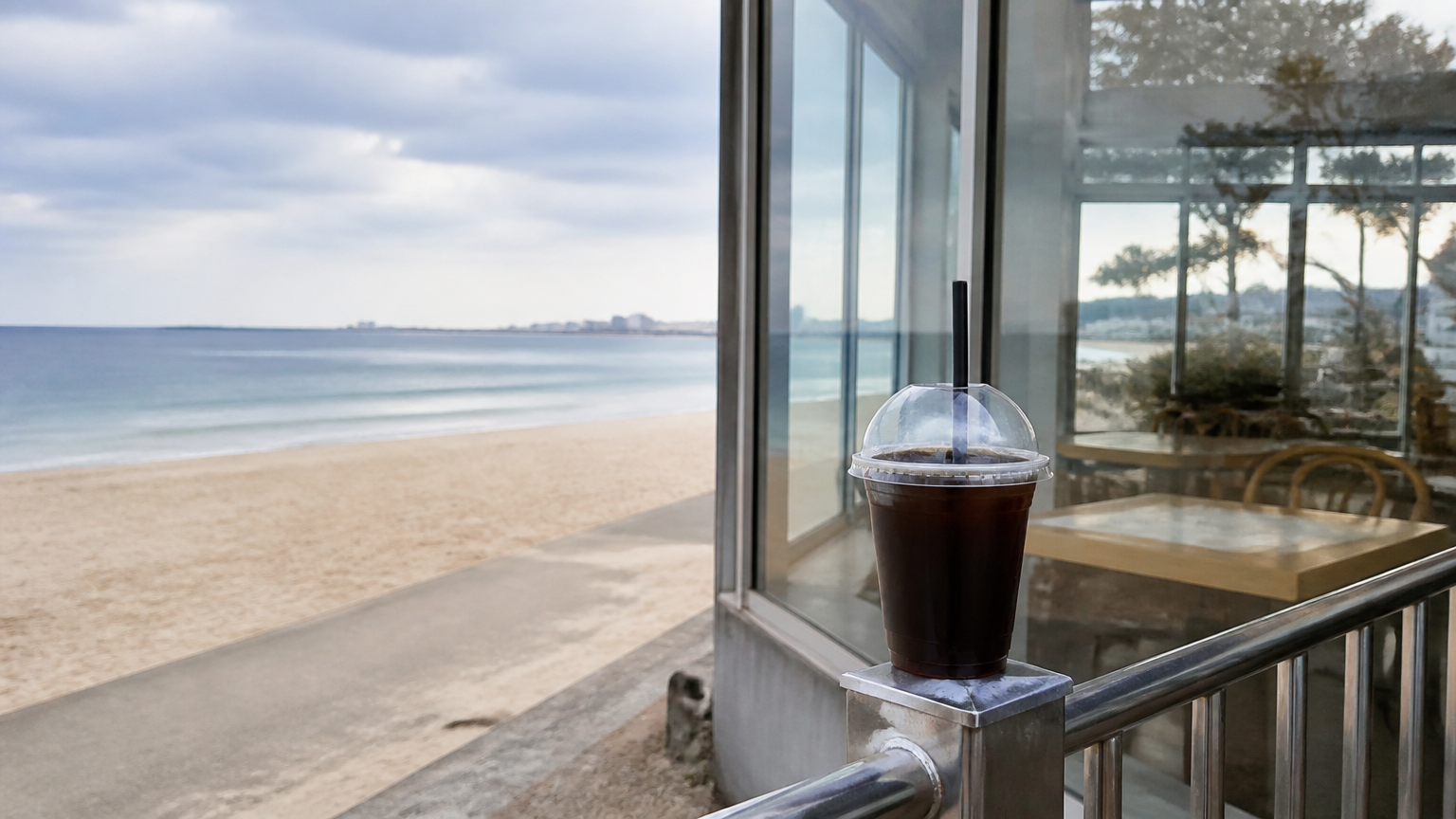
Anmok is the one that best explains why Koreans think of this as a year-round destination rather than a summer one. The cafe strip along the seafront is the thing people mean when they say they are going east for coffee, and none of it depends on the swimming season.
Jeongdongjin is a sunrise trip and nothing else. Going there in the middle of the afternoon and wondering what the fuss is about is a common and avoidable mistake.
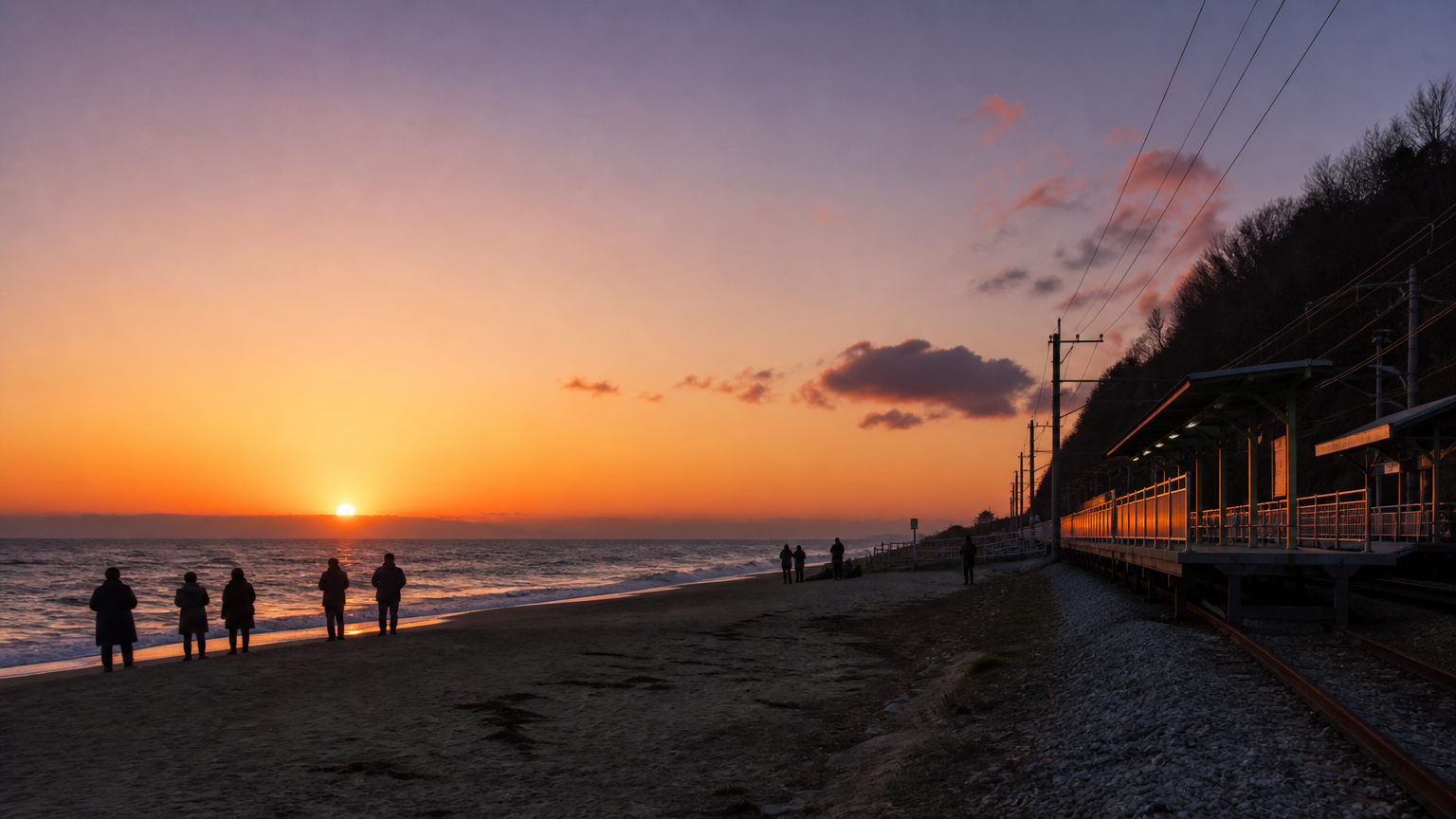
Autumn is when residents rate this coast highest, and the timing across the country works on latitude rather than dates: Autumn in Korea: Don't Pick the Dates, Pick the Latitude.
FAQ
Can I still go to the beach after it closes?
Yes. The sand stays physically open all year. What stops is the managed swimming operation, which means lifeguards, the marked swim zone and seasonal facilities. Walking, sitting and the cafes are unaffected.
Is it safe to swim in September?
There is no supervision after the season, and the east coast has real currents, so treat it as swimming at your own risk rather than as a supervised beach. Most people here in September are not swimming.
Which Gangneung beach should I pick?
Gyeongpo for a full day, Anmok if what you actually want is the seafront cafes, Gangmun if you want somewhere quieter within walking distance of both, and Jeongdongjin only for sunrise.
When is the coast busiest?
Late July into the first half of August, when the national summer holiday concentrates almost everyone into the same fortnight. Late June and September are the same coast without the crowd.
The short version
The 2026 season ran 4 July to 23 August for Gyeongpo and 10 July to 23 August for the city's other seventeen beaches, which is forty-five days. Closing removes lifeguards, the marked swim zone and seasonal facilities, and removes nothing else. The sand, the seafront and the cafes stay open all year, the crowds vanish within about a week of the closing date, and that combination is why a lot of Koreans treat September as the good part rather than the leftovers. Pick Anmok for coffee, Gyeongpo for a full day, and Jeongdongjin only if you are getting up for the sunrise.
The other half of this city has nothing to do with the sea, and it is where the people who live here eat.
Sources
Beach opening schedule for 2026: Gyeongpo open 4 July to 23 August, and the city's other seventeen beaches open 10 July to 23 August, a forty-five day season. https://gnhong.com/6704
2026 east coast beach opening schedule summary for Gangwon Province, including local and Jeongdongjin operating dates. https://many-information.com/2026-east-coast-beaches-opening-schedule/