Jeonju Bibimbap: The Rice Is Cooked in Beef Broth, and Locals Never Called It That

Every bibimbap looks roughly the same in a photograph. Rice, vegetables arranged in wedges, an egg, chilli paste. So the obvious question is whether the name means anything at all, or whether it is a city putting its name on a national dish.
It means something, and the thing it means is invisible in the photograph. The difference is not the toppings. It is the rice, which is cooked in beef bone broth instead of water.
That one substitution changes the whole bowl, and it explains why the dish tastes seasoned before you have added anything.
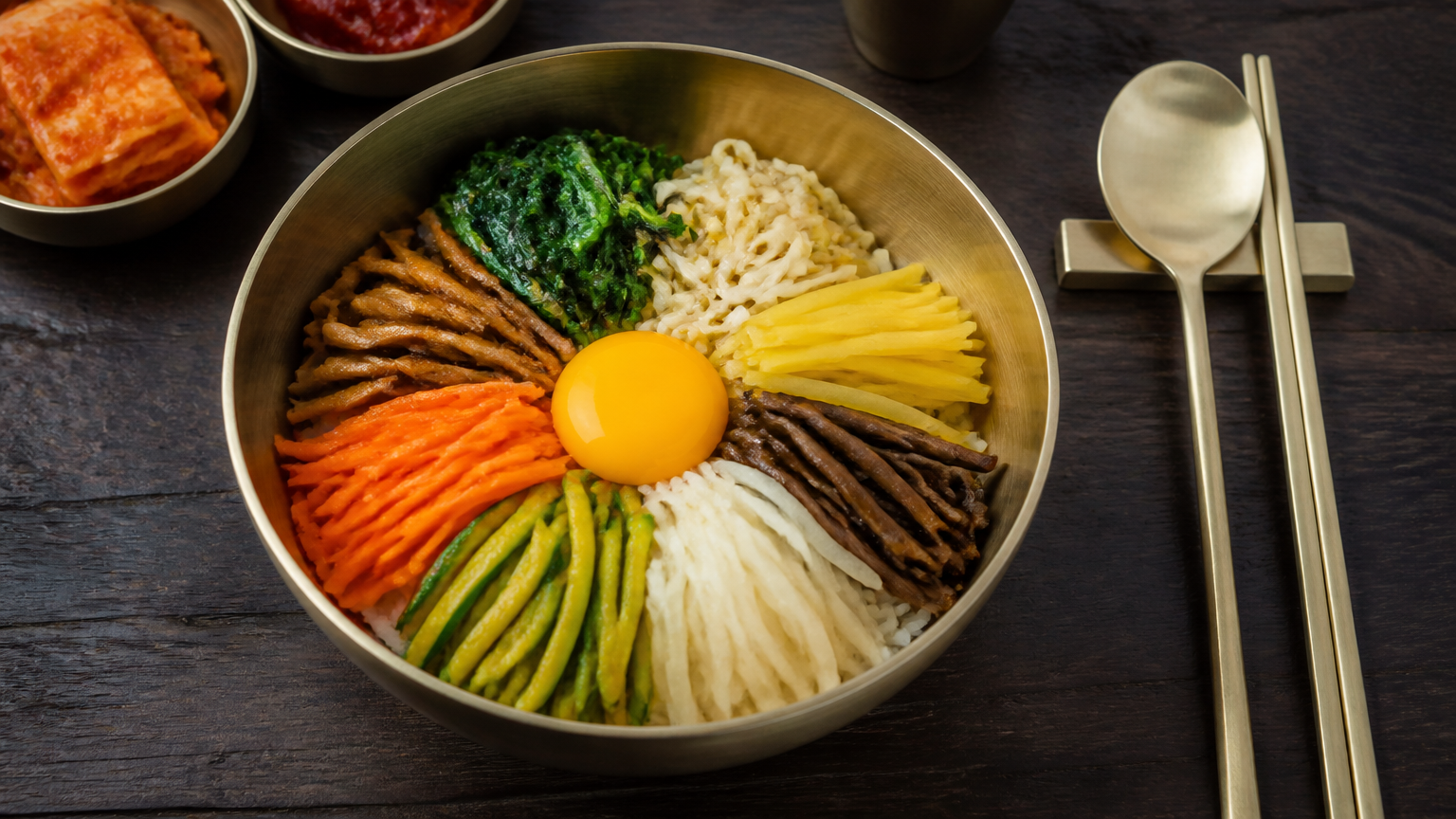
The rice is cooked in beef bone broth, and that is the whole difference
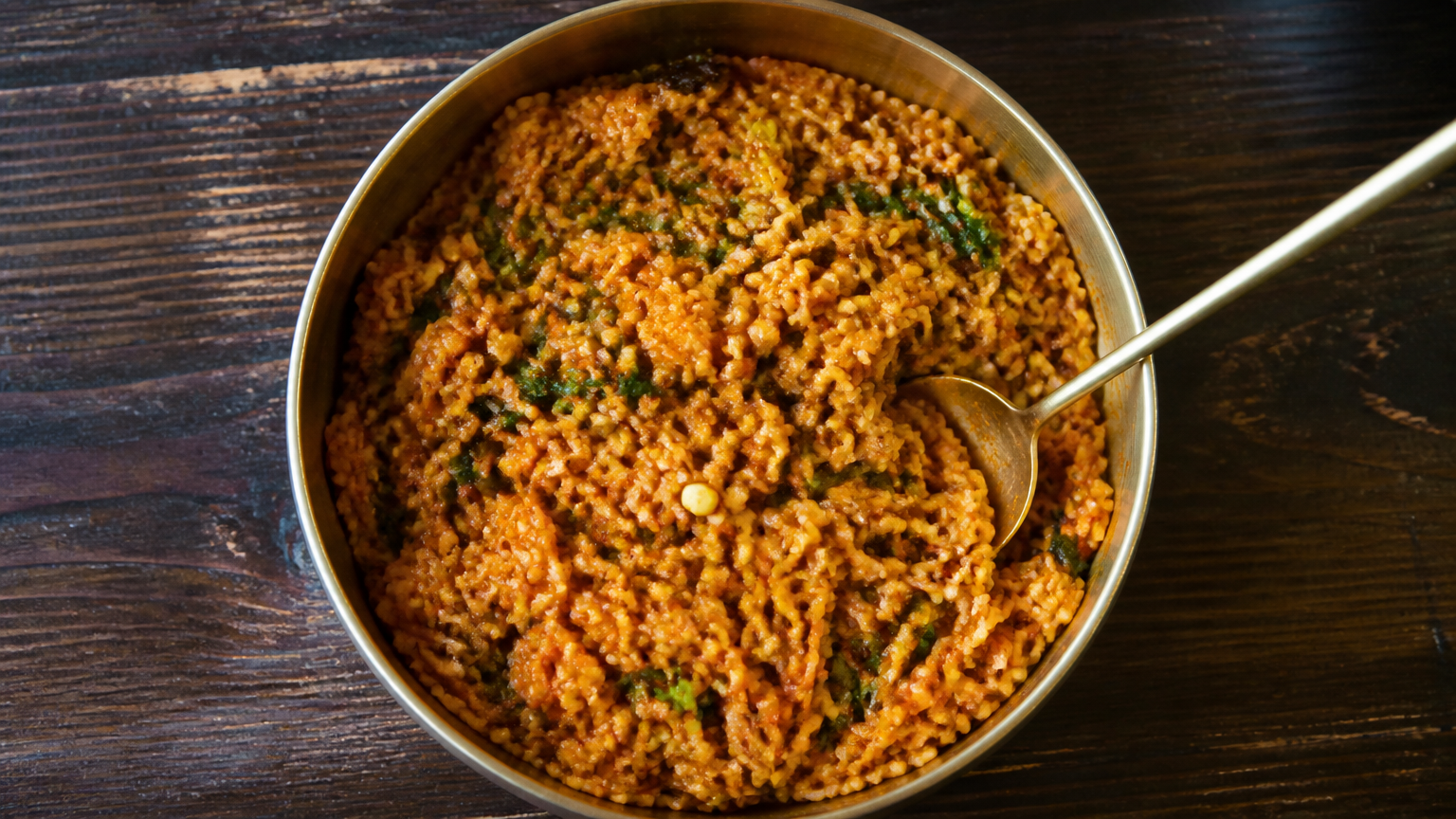
In the standard preparation, the rice is not boiled in water. It is boiled in sagol broth, made by simmering beef leg bones for hours until the liquid goes pale and rich.
The effect is structural rather than decorative. Rice cooked in broth holds a savoury base flavour all the way through the grain, so when you mix the bowl you are not relying on chilli paste to make it taste of anything. That is why a good bowl here tastes balanced with less gochujang than you would expect, and why it tastes slightly different at every restaurant. The broth is where each kitchen puts its work, and it is the part you cannot see.
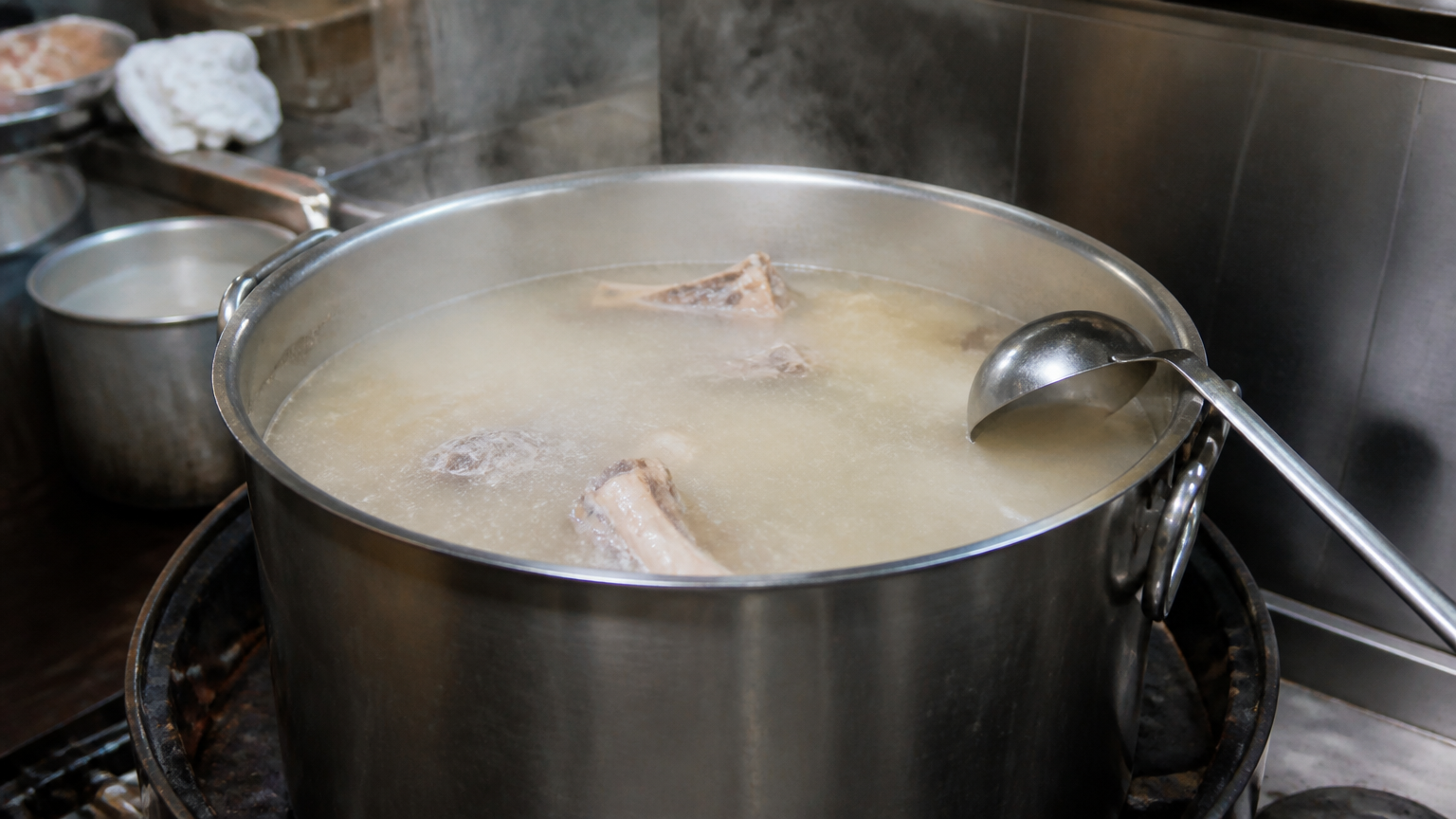
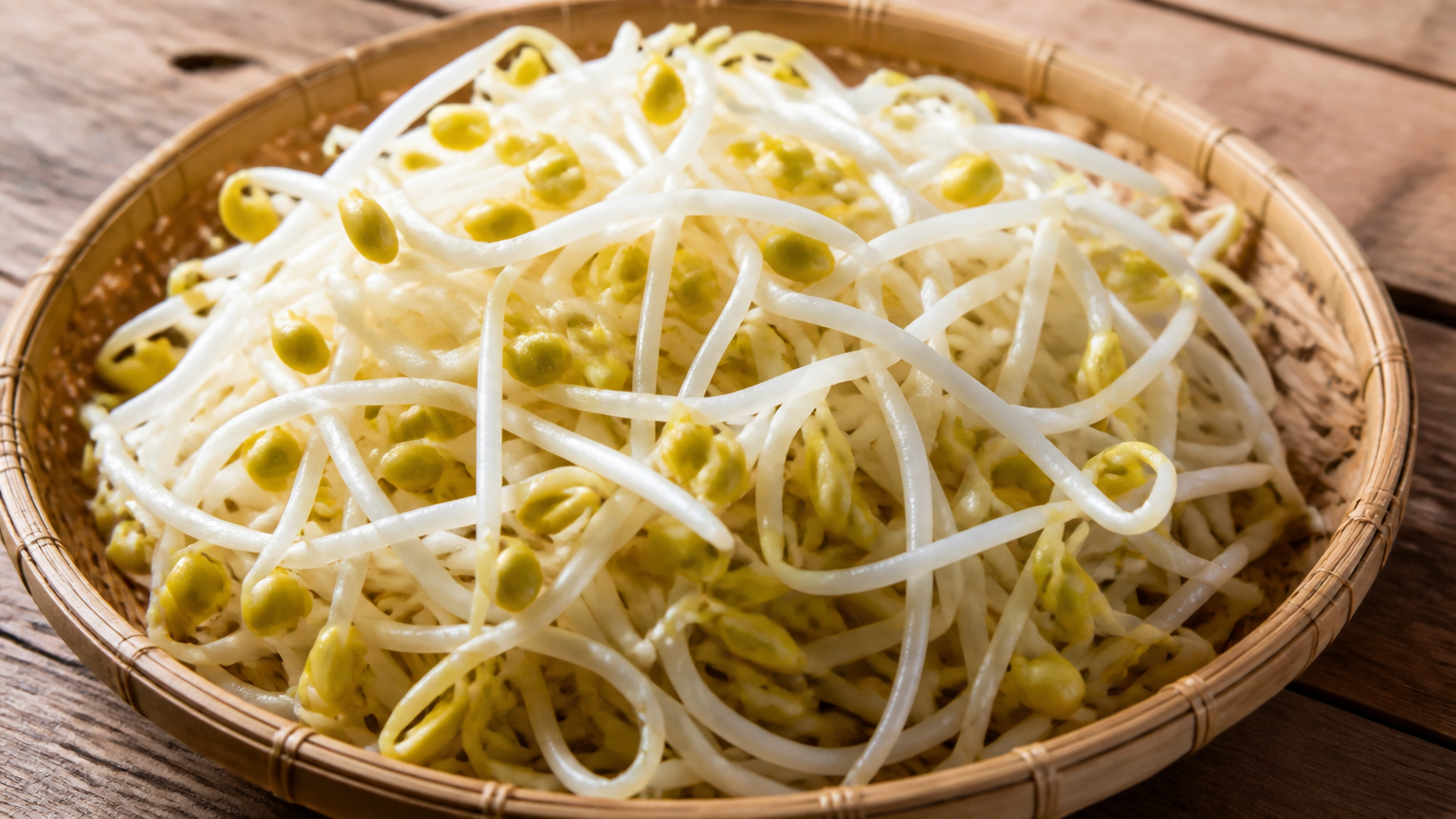
Bean sprouts go in at the same stage. They are added while the rice is steaming rather than piled raw on top, which means they arrive slightly cooked and carrying the same broth. The city grows its own, traditionally from small black soybeans, and bean sprouts run through the local cooking well beyond this one dish.
Which is why the toppings, when you get to them, are more local than they look.
The yellow jelly is not egg, and the greens have addresses
The wedge that confuses people first is the yellow one, and it is not egg.
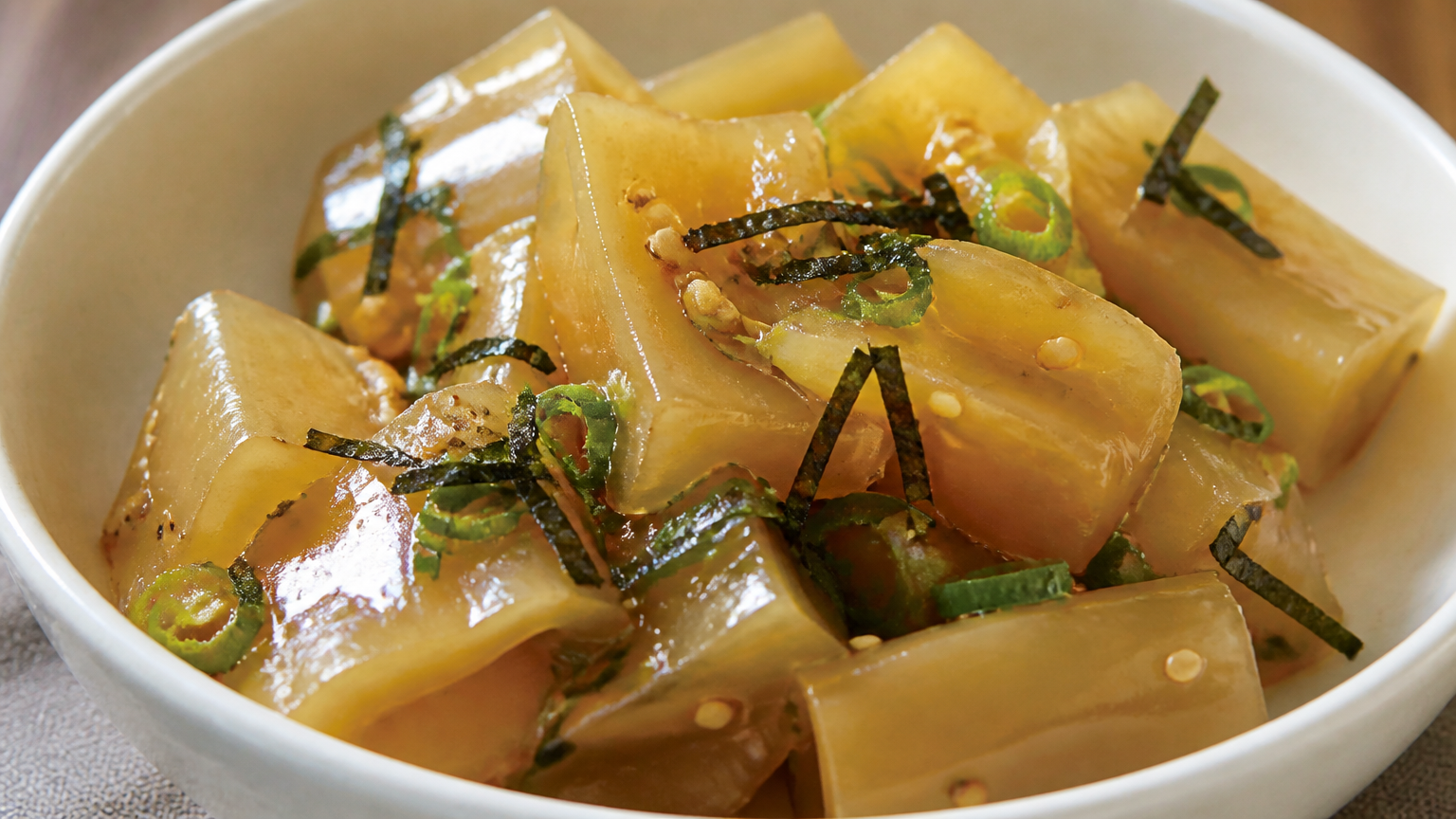
It is hwangpomuk, a jelly made from mung bean starch and dyed yellow with gardenia seed. It is one of the ten foods this city is traditionally known for, and it has a specific local origin rather than being a generic garnish. Texture-wise it is closer to a firm jelly than to tofu, and it is there for bounce against the softness of everything else.
The rest of the standard bowl is regional in the same literal way.
| Component | What it is | Where it comes from |
|---|---|---|
| Rice | Cooked in beef bone broth, not water | The technique that defines the dish |
| Bean sprouts | Added while the rice steams, not raw on top | Grown locally, traditionally from black soybeans |
| Hwangpomuk | Mung bean jelly, dyed yellow with gardenia | One of the ten traditional local foods |
| Water parsley | Fresh herbal bite | Grown around the city |
| Mountain greens | Seasoned wild vegetables | Muju, Jangsu and Jinan, in the mountains to the east |
| Fried kelp | Crisp, salty, shattered over the top | The texture element people forget to mention |
That list is the reason the dish belongs to this city and not to a chain. Rice country to the west, mountains to the east, and a plate that draws from both within about an hour's drive.
Which makes the name itself the odd part.
The name came from Seoul, and locals called it something else
Nobody here historically called this dish Jeonju bibimbap. You do not name a dish after your own city while you are standing in it.
Locally it was kongnamul bibimbap, bean sprout bibimbap, after the ingredient people actually noticed. It also went by a nickname that translates roughly as round-and-round bibimbap, for the obvious reason. The city name attached itself later, when the dish moved to Seoul and needed to be distinguished from every other bibimbap on the menu. It was a label for people who were not from there.
That is worth knowing because it tells you where to eat it. The dish did not come from a famous restaurant that then scaled up. It came from ordinary households and market kitchens in a place with unusually good ingredients, and the version worth queueing for is not automatically the one with the largest sign.
If you eat this for lunch, the local follow-up is bean sprout soup with rice for breakfast the next morning, which is the same ingredient in its other job. That belongs to a wider category worth understanding: Korean Hangover Soup: Which Bowl to Order.
And the mixing itself has one rule that visitors get wrong, along with several that guidebooks invent: Korean Dining Etiquette: The Rules Koreans Actually Follow.
FAQ
Is Jeonju bibimbap actually different, or is it just branding?
It is genuinely different, and the difference is the rice. Cooking it in beef bone broth rather than water gives the whole bowl a savoury base before any sauce goes near it. Toppings vary between restaurants. The broth-cooked rice is the constant.
Do I have to mix it thoroughly?
Yes, and thoroughly is the word. The arrangement is for presentation, not for eating in sections. Mix until the colour is even, which is where the round-and-round nickname came from.
Is it spicy?
Less than you expect, and you control it. Because the rice already carries flavour from the broth, a good bowl does not need much chilli paste. Add it gradually rather than emptying the dish in at the start.
Can I get real Jeonju bibimbap in Seoul?
You can get good bibimbap in Seoul, and some restaurants do cook the rice in broth. What you cannot easily get is the surrounding cast, because the greens, the bean sprouts and the mung bean jelly are regional ingredients from within about an hour of the city.
The short version
Jeonju bibimbap differs from every other bibimbap in one hidden way: the rice is cooked in beef bone broth instead of water, so the bowl is seasoned before the sauce arrives. Bean sprouts go in while the rice steams. The yellow wedge is mung bean jelly dyed with gardenia, not egg. The greens come from the mountains to the east and the sprouts from the city itself. And nobody here called it Jeonju bibimbap until the dish moved to Seoul and needed a surname.
Sources
Korean Food Culture Dictionary, Korea Culture Information Service, bibimbap entry: rice cooked with sagol beef bone broth, bean sprouts added during steaming, hwangpomuk, water parsley, mountain greens from Muju, Jangsu and Jinan, and fried kelp as the standard composition. https://www.kculture.or.kr/brd/board/640/L/menu/735?brdType=R&bbIdx=12070
Korean Food Culture Dictionary, same entry: the local names kongnamul bibimbap and the round-and-round nickname, and the adoption of the current name after the dish reached Seoul.
Encyclopedia of Korean Culture entry: regional ingredient composition and the place of hwangpomuk among the city's traditional foods. https://encykorea.aks.ac.kr/Article/E0049662