Flights to Jeju From Busan: You Do Not Have to Go Back to Seoul First

Almost every Korea itinerary I read does the same thing. Seoul. Then Busan. Then back to Seoul. Then Jeju. It is not a preference. Nobody told them the plane leaves from Busan too.
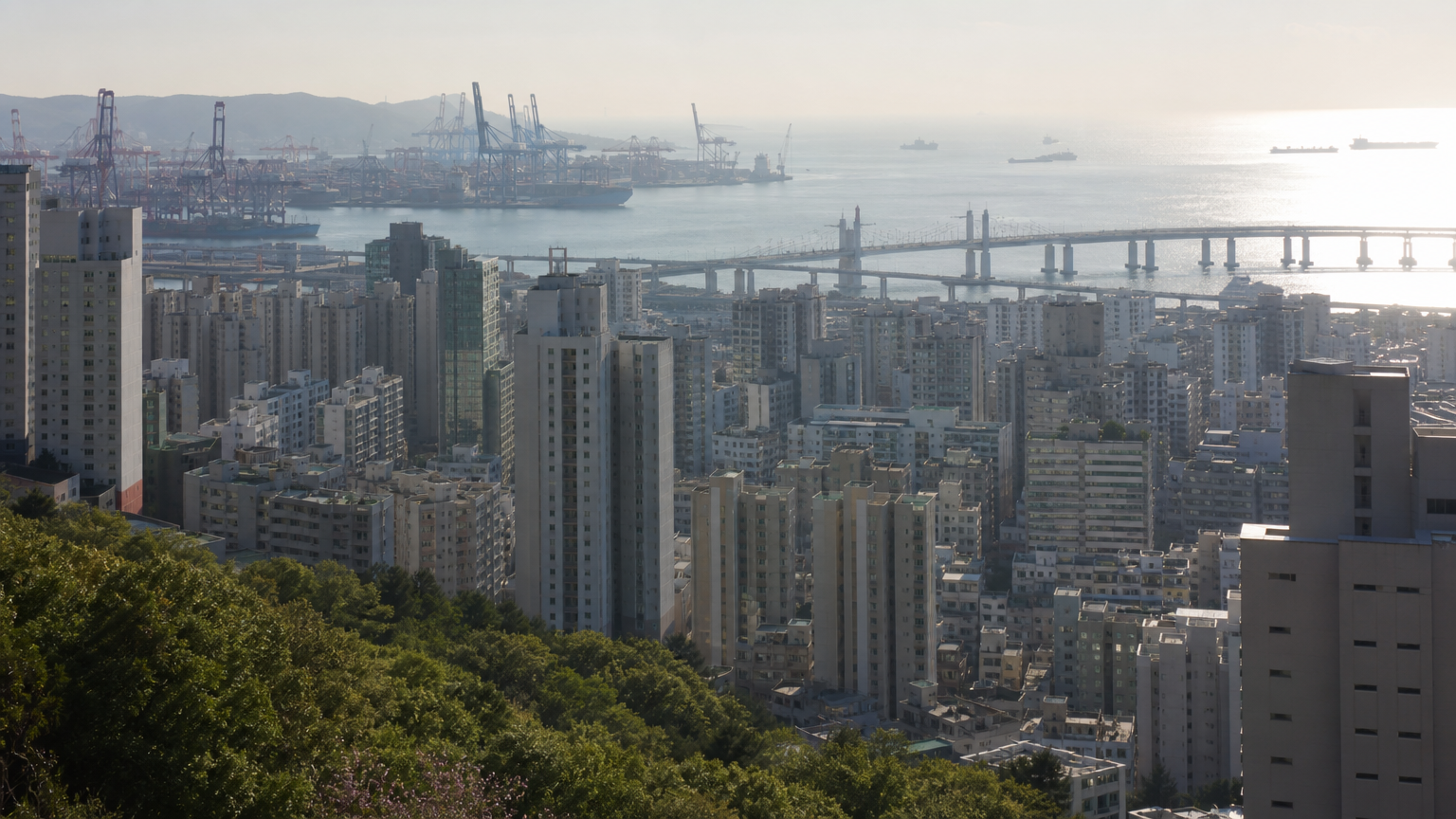
Busan has its own international airport, and it has a direct domestic service to Jeju that takes about an hour. This guide covers where that airport is, what going back to Seoul actually costs you, why the boat from Busan is no longer an option, and how to order the three cities so you are not crossing the same country twice.
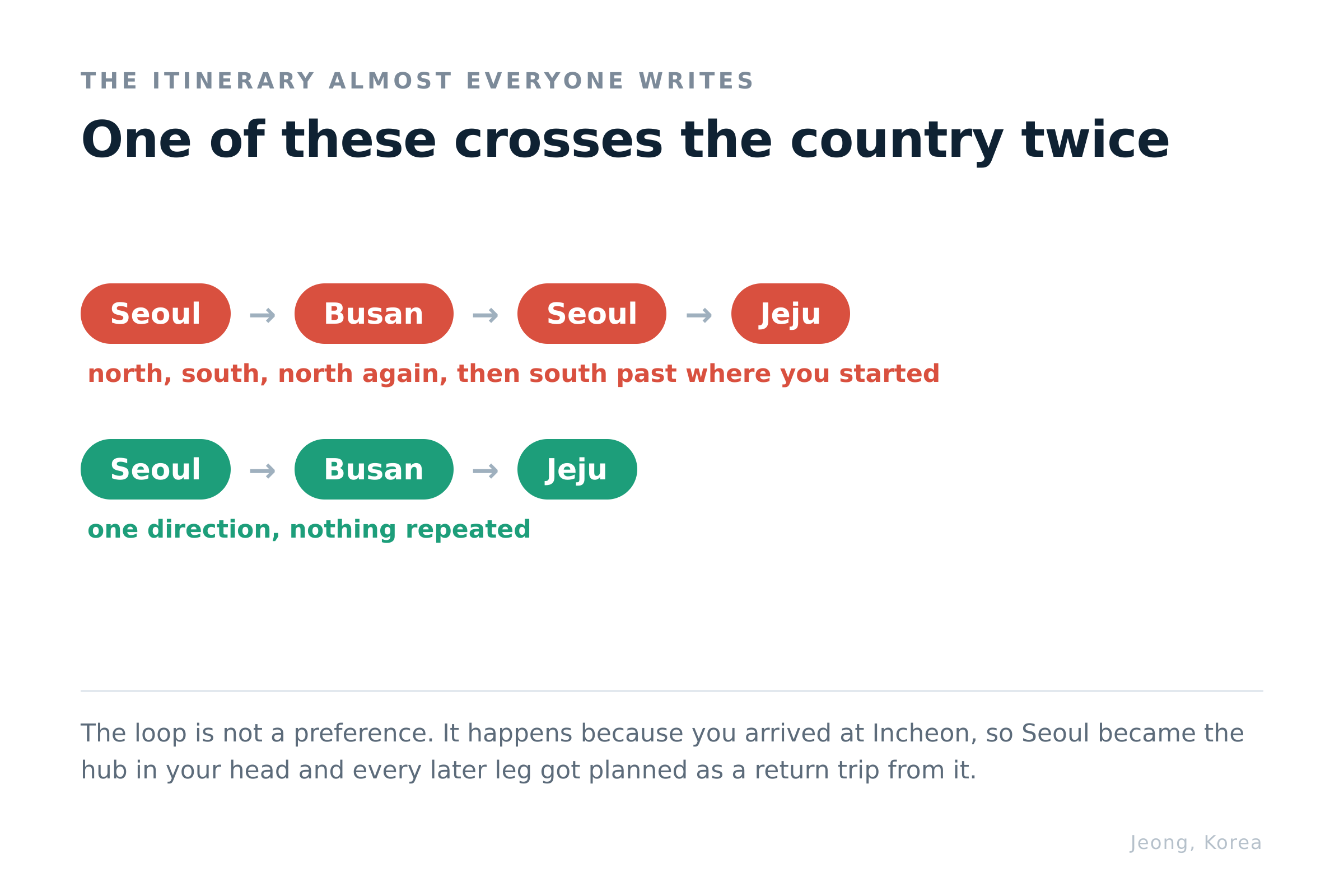
I understand how the loop happens. You arrive at Incheon, so Seoul becomes the hub in your head, and every leg after that gets planned as a return trip from it. It is a natural way to think and it is wrong here, because Korea is small enough that the second-largest city has its own full airport and the island is closer to it than Seoul is.
The result is a wasted day, usually the day you would rather have spent somewhere. Here is how to get it back.
Busan has its own airport, and it is called Gimhae
The reason people miss it is the name.
Busan's airport is Gimhae International Airport, code PUS. Gimhae is the neighbouring city, so the airport is not named after Busan at all — and if you are scanning a booking site for the word "Busan," it is easy to conclude the city has no airport and default back to Seoul.
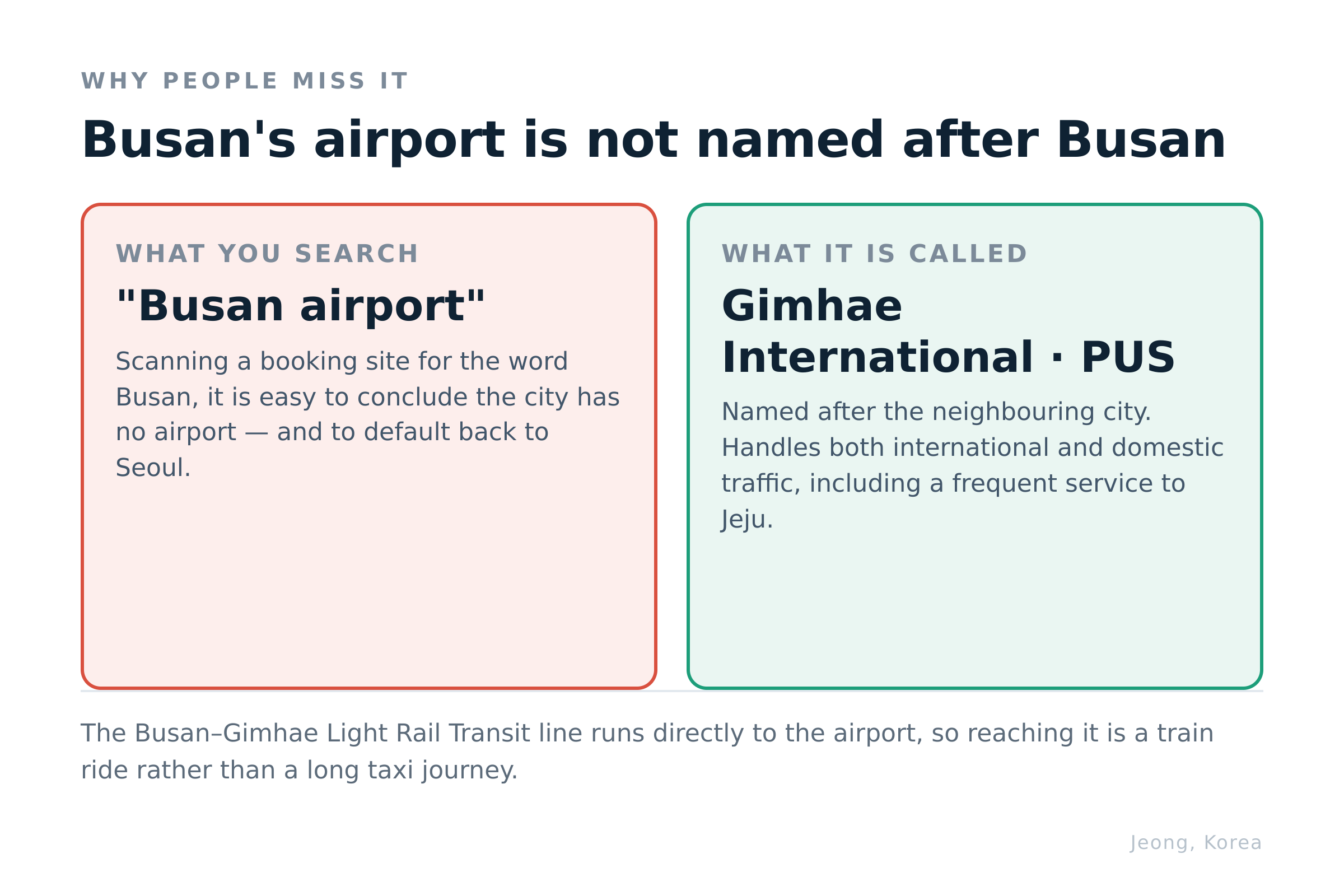
It does have one, it handles both international and domestic traffic, and the domestic side includes a frequent service to Jeju.
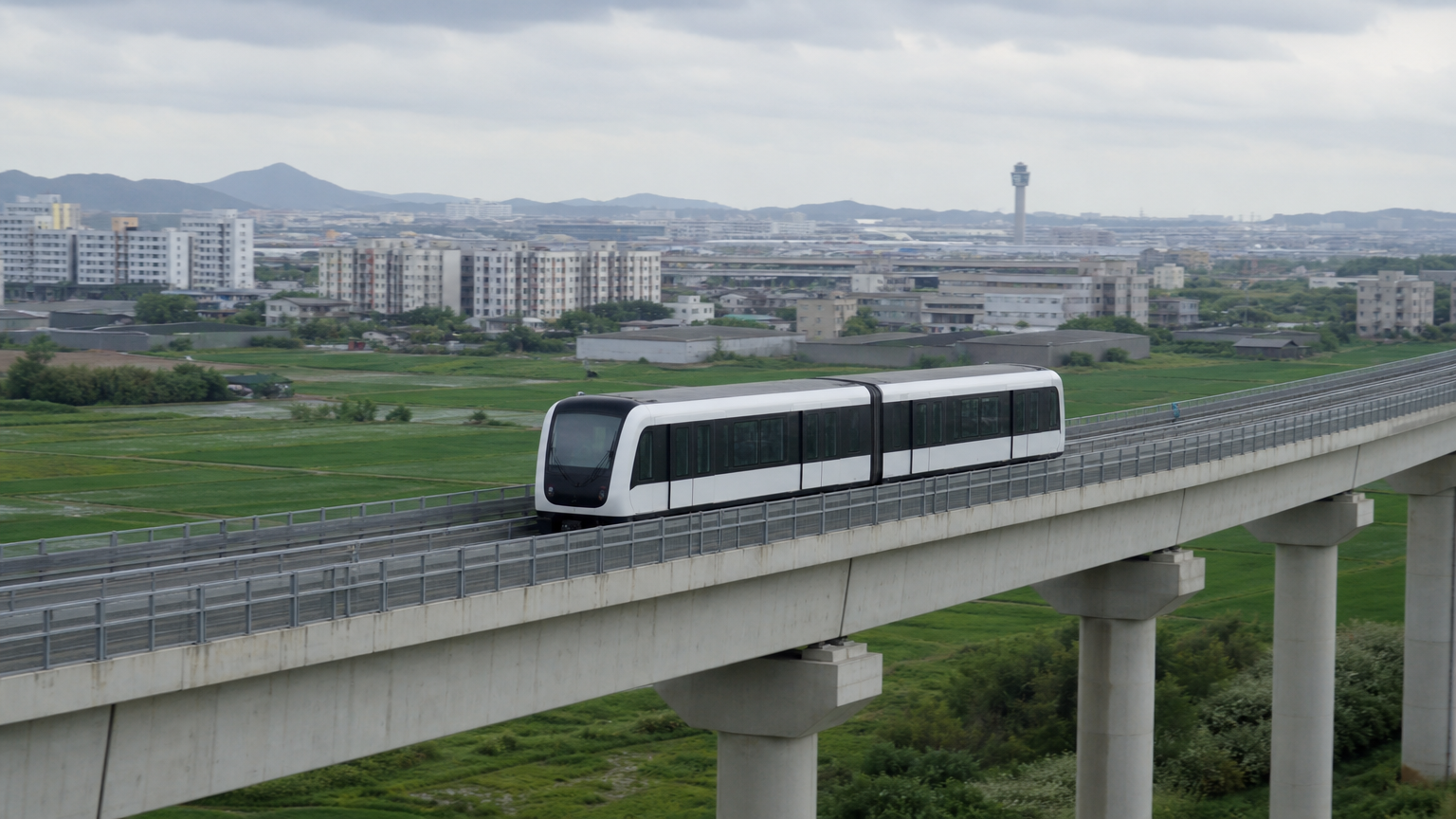
Getting to it is straightforward. The Busan–Gimhae Light Rail Transit line connects the city to the airport directly, so this is a train ride rather than a long taxi journey. That matters for the comparison later: the airport is genuinely inside your trip, not an hour outside it.
One thing to know before you plan around the water instead. There is no longer a passenger ship from Busan to Jeju — the overnight service ended in December 2022 and no operator replaced it. The crossings that remain all leave from ports further west along the south coast, which is a different trip entirely and a subject of its own.
So what does the Seoul detour actually cost?
Going back to Seoul costs a day you did not have to spend
A full one, once you count the parts nobody counts.
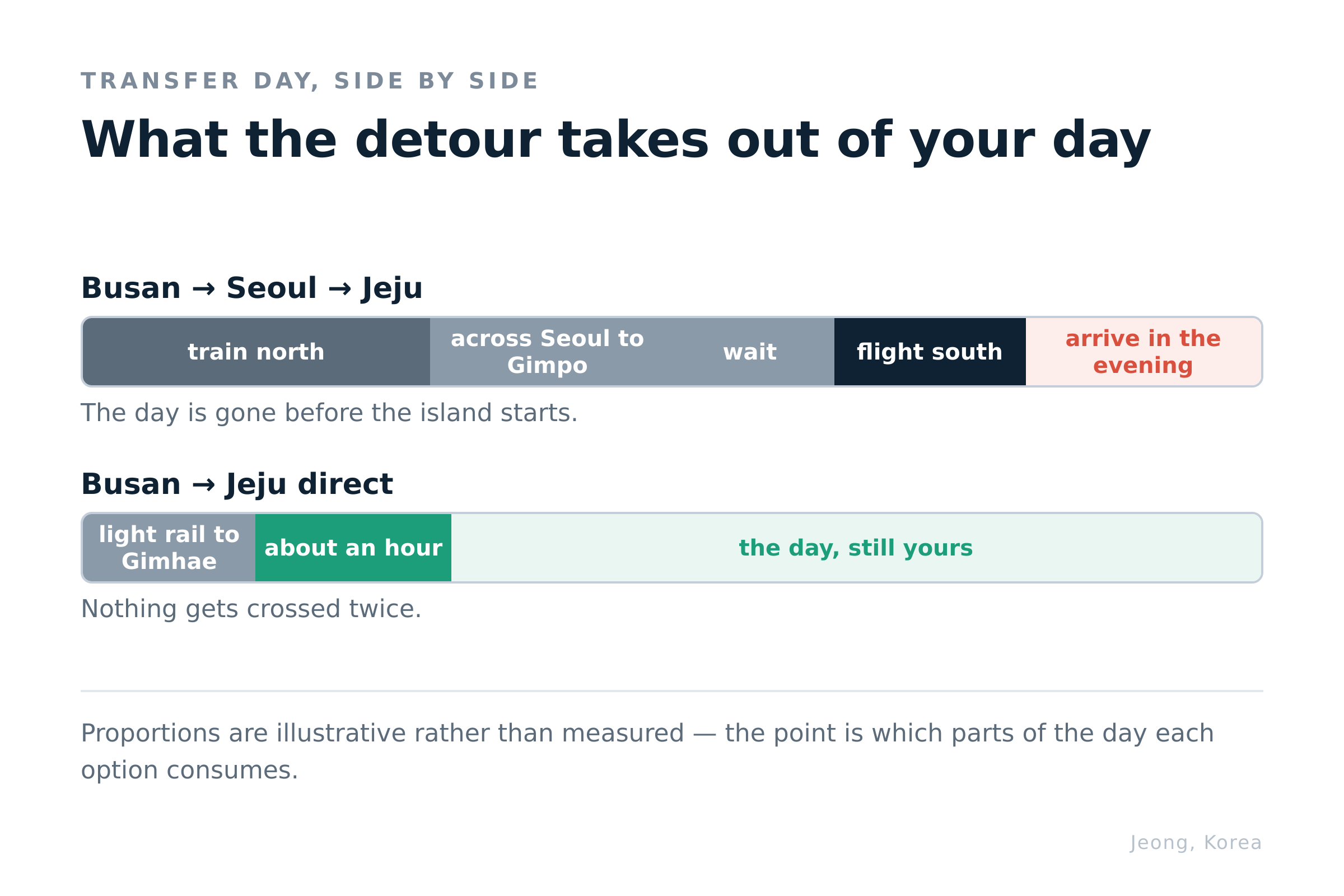
The return leg to Seoul is not just the two and a half hours on the train. It is checking out, getting to the station, the ride, getting across Seoul to Gimpo, the flight, and then arriving in Jeju in the evening with the day gone. Doing it the other way removes the entire middle section.
| Route | What the Jeju day looks like |
|---|---|
| Busan → Seoul → Jeju | Train north, cross the city to Gimpo, fly south again. Arrive late. |
| Busan → Jeju direct | Light rail to Gimhae, fly about an hour. Arrive with the day intact. |
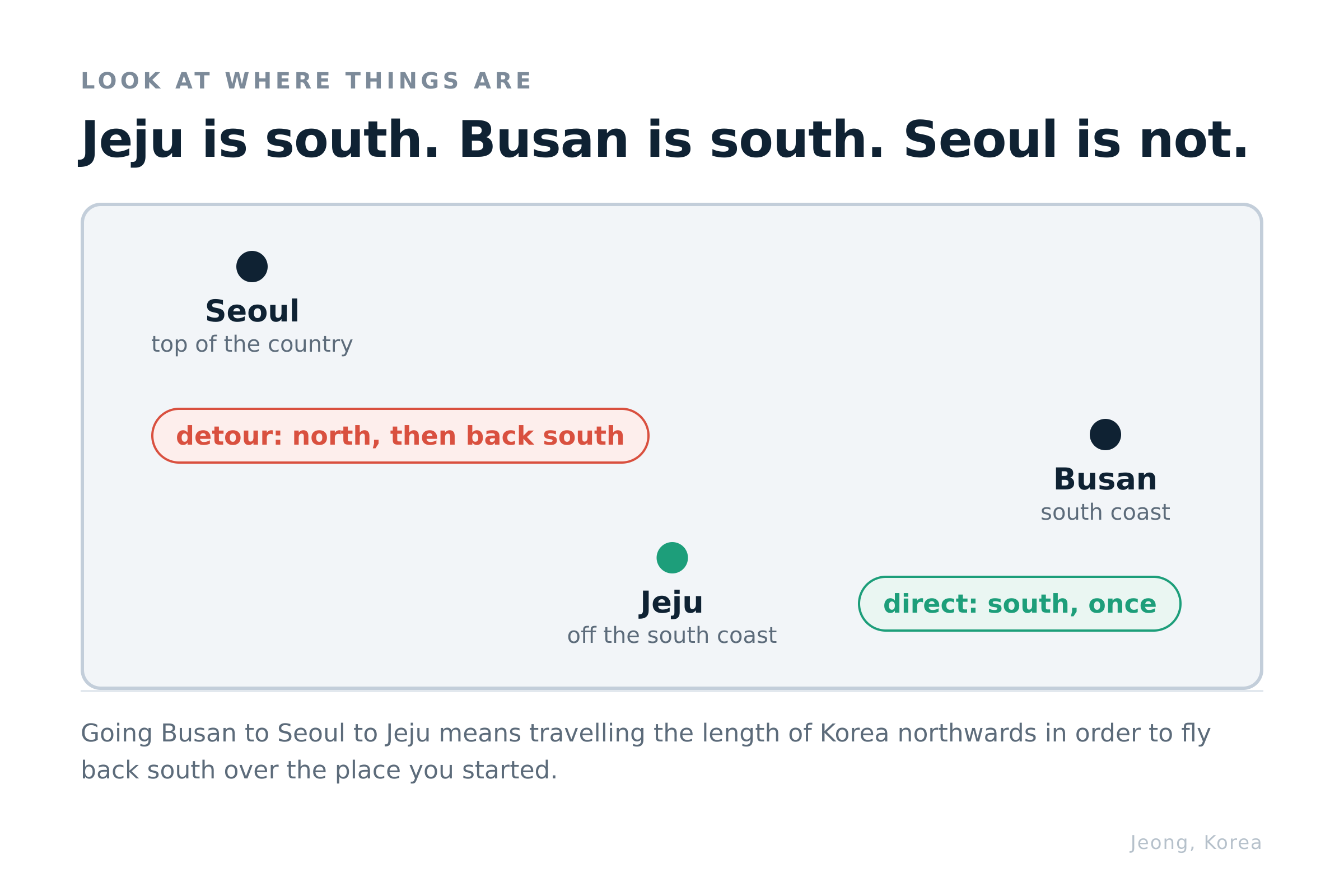
Look at the geography and the detour gets worse. Jeju sits off the south coast. Busan is on the south coast. Seoul is at the top of the country. Going Busan to Seoul to Jeju means travelling the length of Korea northwards specifically in order to fly back south over the place you started.
The mainland legs are worth doing properly, and they are their own subject — the KTX from Seoul to Busan and the coach with the rest-area stop are both good trips. My point is only that you should make each of them once.
So how do you order it?
How to build the itinerary
Treat Jeju as the end of the line rather than a return trip from the capital, and the rest follows.
Go in one direction. Fly into Incheon, work your way south to Busan by train or coach, then fly from Busan out to Jeju. Nothing gets crossed twice.
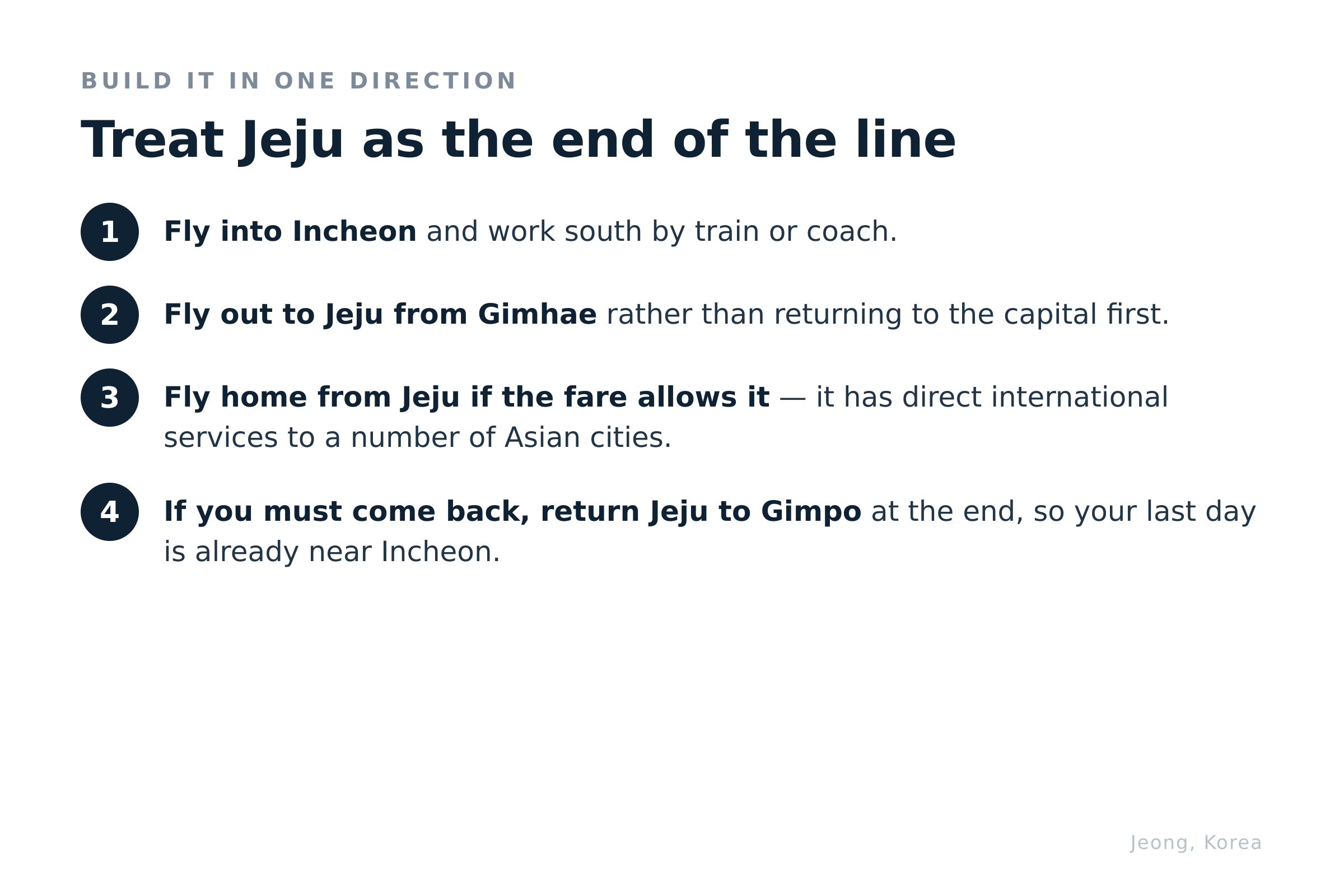
Fly home from Jeju if the fare allows it. Jeju has direct international services to a number of Asian cities, so depending on where you live, you may not need to return to the mainland at all. Check that before you assume your outbound and return airports have to match.
If you must come back, come back from Jeju to Gimpo. Booking flights to Jeju from Busan on the way out and Jeju to Gimpo on the way home puts you in Seoul on your last day, near Incheon, instead of doubling back mid-trip.
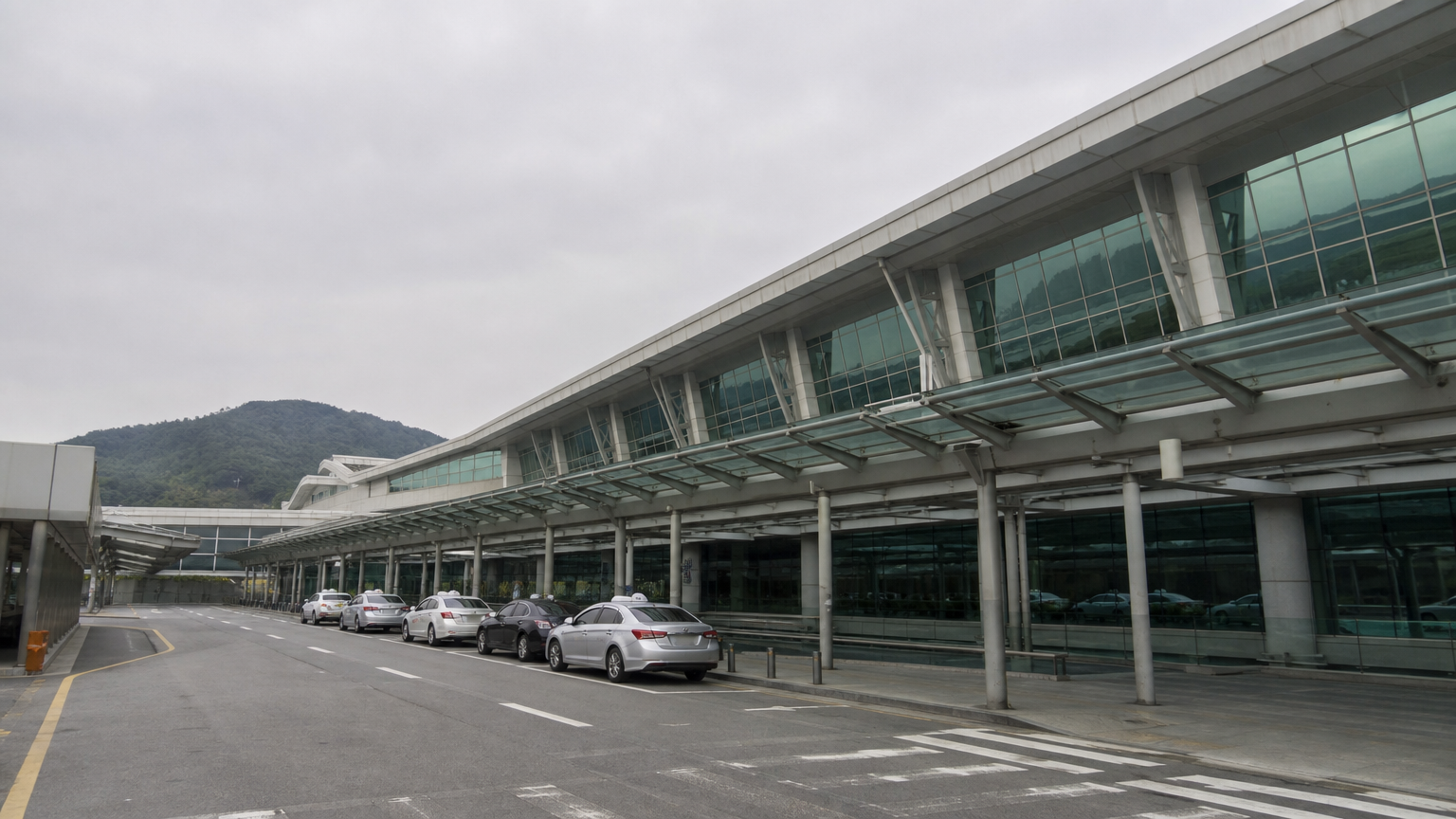
Book the Jeju leg before the mainland legs. Island flights fill on weekends and holidays and there is no overflow option — no train, no bus, and now no boat from Busan. Fix that seat first and let the flexible legs bend around it.
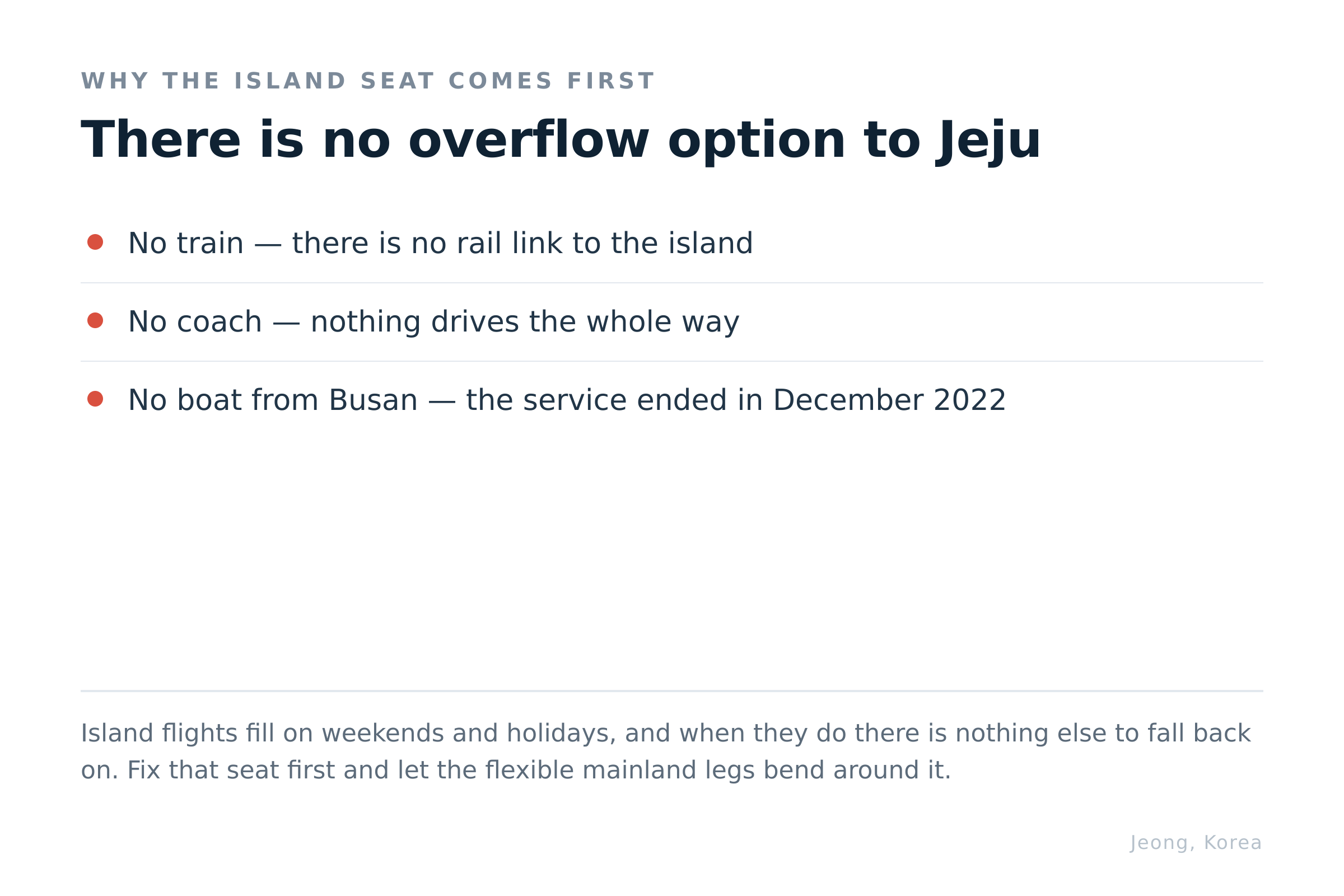
Give yourself a real gap on transfer day. Domestic flights out of Gimhae are frequent, but the light rail plus check-in plus security is still a couple of hours from your accommodation door to the gate. Do not schedule anything in Busan that morning you would be sad to abandon.
Keep your passport where you can reach it. Domestic flights in Korea run identity checks, so the passport comes out again at Gimhae even though you are not leaving the country. Foreign residents can use a residence card instead.
And check the fare both ways round. Sometimes flights to Jeju from Busan are dearer than from Gimpo on a given date, because the Seoul route carries far more traffic. Even then the Busan option can win once you price the extra night and the train ticket the detour would have cost you.
FAQ
Are there direct flights to Jeju from Busan?
Yes. Gimhae International Airport (PUS) has a direct domestic service to Jeju, and the flight takes roughly an hour. Frequencies vary by day and season, so check current schedules when you book.
Which airport do I use in Busan?
Gimhae International Airport, code PUS. It is named after the neighbouring city rather than after Busan, which is why people searching for a "Busan airport" sometimes conclude there is not one.
How do I get to Gimhae Airport from central Busan?
The Busan–Gimhae Light Rail Transit line runs directly to the airport, so you can reach it on public transport rather than needing a long taxi ride. Allow a couple of hours from your accommodation to the gate.
Is there a ferry from Busan to Jeju?
No. The overnight passenger ship made its last crossing in December 2022 and no operator has taken the route over since. Ferries to Jeju now leave from ports further west along the south coast.
Should I do Seoul, Busan, then Jeju — or Seoul, Jeju, then Busan?
Either works, but travel in one direction rather than looping. Seoul to Busan to Jeju avoids crossing the country twice. If you want to fly home from the mainland, come back from Jeju to Gimpo at the end instead of returning to Seoul mid-trip.
Do I need my passport for a domestic flight in Korea?
Yes. Identity is checked on domestic flights, so keep it accessible. Foreign residents can use a residence card.
Can I fly internationally out of Jeju at the end of my trip?
Often, yes. Jeju handles direct international services to a number of Asian destinations. Whether it works for you depends on your home city, so check it before you commit to returning through Seoul.
Cross the country once
Korea is compact enough that the detour feels harmless when you are looking at a map on a screen. It is not harmless — it is a day, and it is usually the day you would have spent on the island.
Busan has an airport. It flies to Jeju in about an hour. If your plan currently sends you north to come back south, open the booking site once more and price it the other way round before you pay for anything.
References
-
Gimhae International Airport (PUS) facilities and domestic route information — Korea Airports Corporation
-
Busan–Gimhae Light Rail Transit airport access
-
Busan to Jeju passenger ship service withdrawal, December 2022 — Busan Regional Office of Oceans and Fisheries reporting
-
Coastal passenger ship routes — Korea Shipping Association reservation system