Seoul to Busan Bus: Cheaper Than the Train, and It Stops at a Rest Area

Every foreign visitor takes the train. I understand why — it is fast, it is famous, and everyone tells you to.
But there is a second way down, and Koreans use it constantly. It is cheaper, it is easier to get a seat on, and it stops halfway at a place most visitors will never otherwise see. This guide covers when the seoul to busan bus makes more sense than the train, how the three grades differ, how to book it, and what happens at the stop in the middle — which, honestly, is the reason to take it.
I am from Busan and the train is my default. The one time I took the coach instead, it was because the train was sold out and I had to be in Gimhae, just outside Busan, the next morning. I remember the journey better than any train I have taken since, and this article exists because of it.
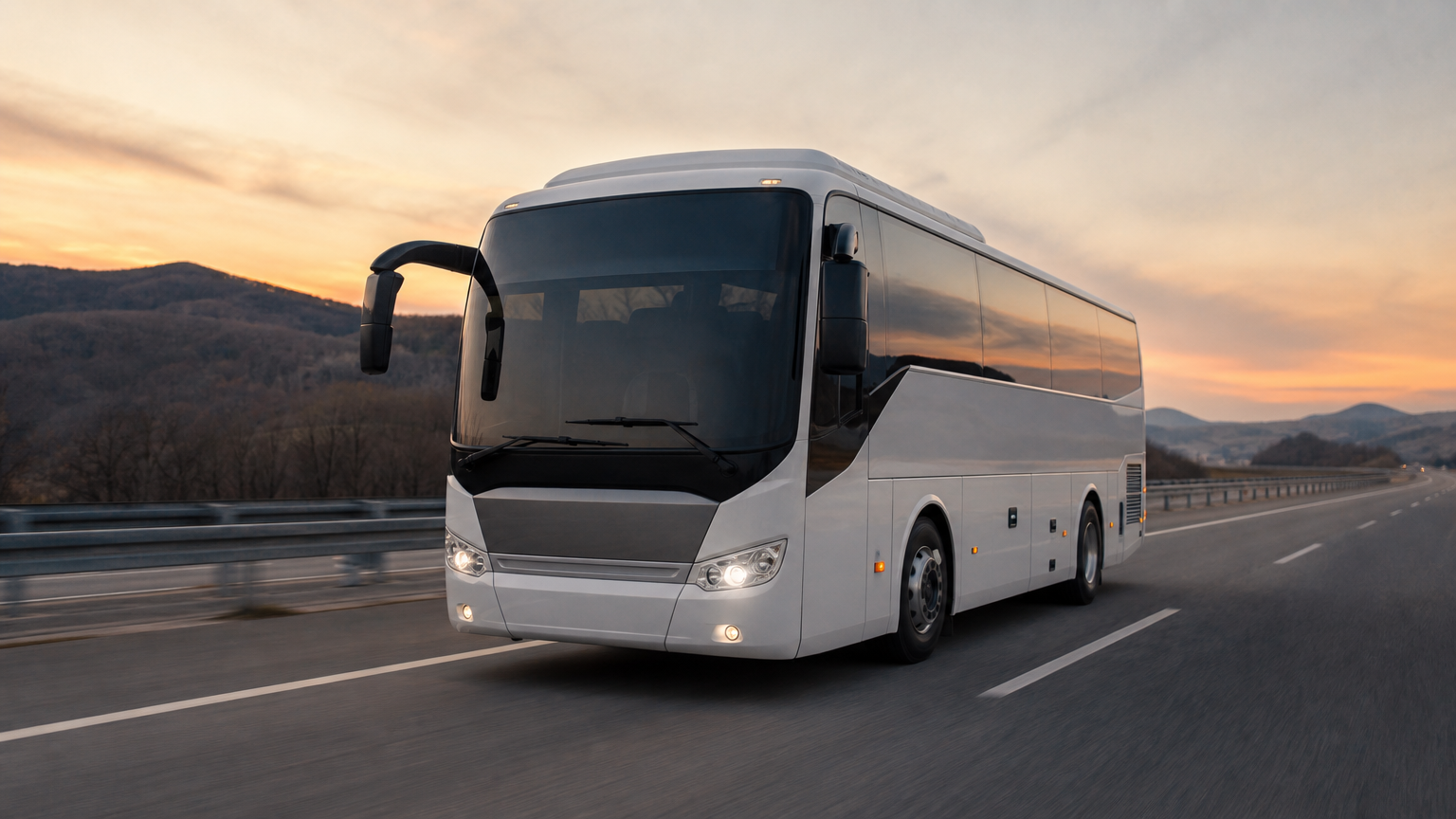
Why anyone chooses the slower option
Three reasons, in the order they actually matter.
It costs less. Every grade of coach undercuts the equivalent train fare. For a traveller doing several intercity trips, that gap compounds.
Seats are easier to get. When the train sells out — holiday weeks, Friday evenings — coaches often still have space. There are simply more departures across more operators.
It goes where you are. Seoul's express terminal sits on the south side of the river, which is closer than Seoul Station if you are staying in Gangnam or Jamsil. The same logic as choosing between the two high-speed rail lines applies here.
What you give up is time. The train does it in around two and a half hours. The coach takes noticeably longer, and how much longer depends entirely on traffic.
Three grades, not one
This surprises people who expect a single kind of bus. The official booking system sells three, and the difference is real.
| Grade | What it is |
|---|---|
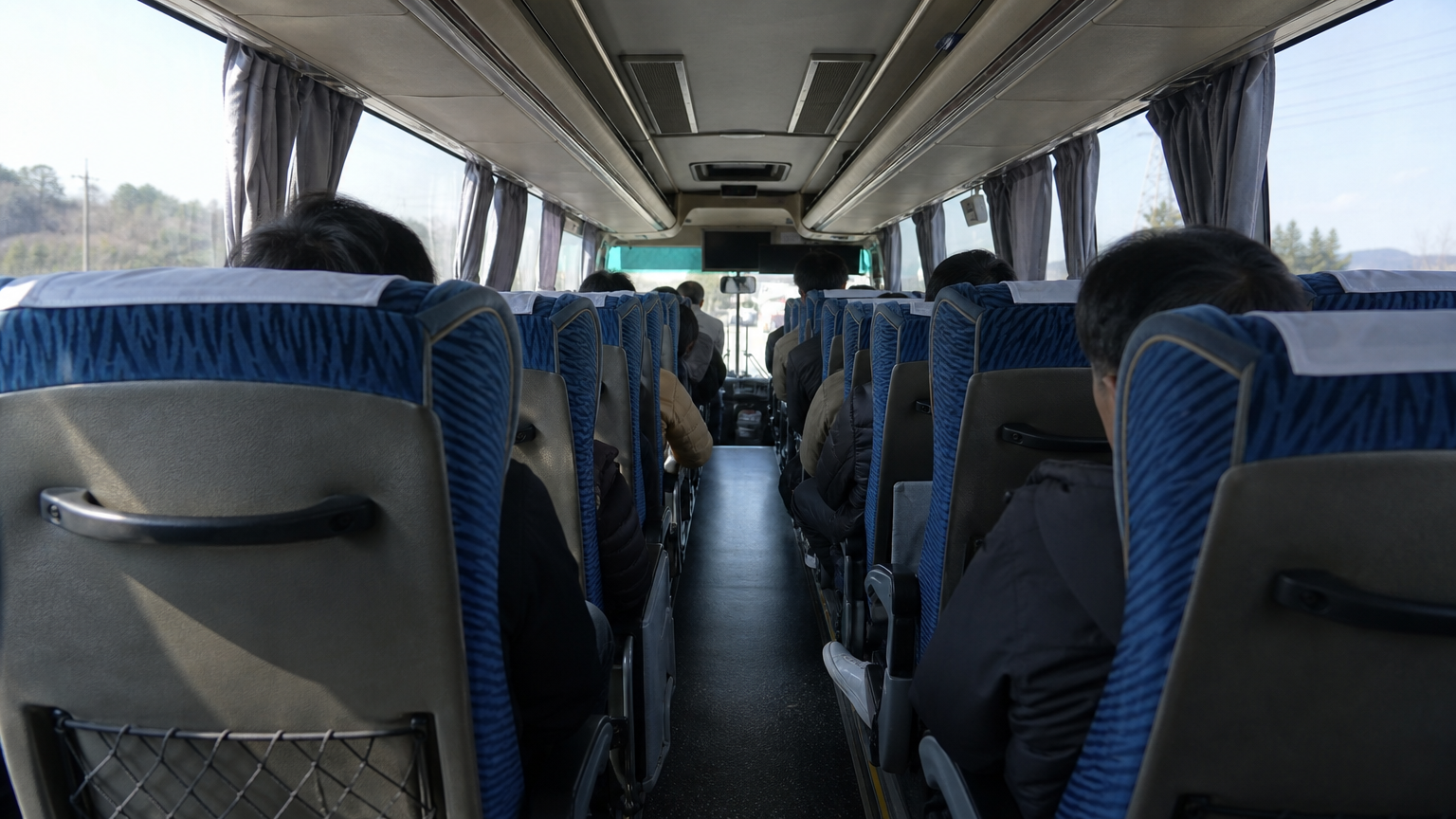
| Standard | Ordinary coach seating, four seats across |
| Deluxe | Wider seats, three across, more recline |
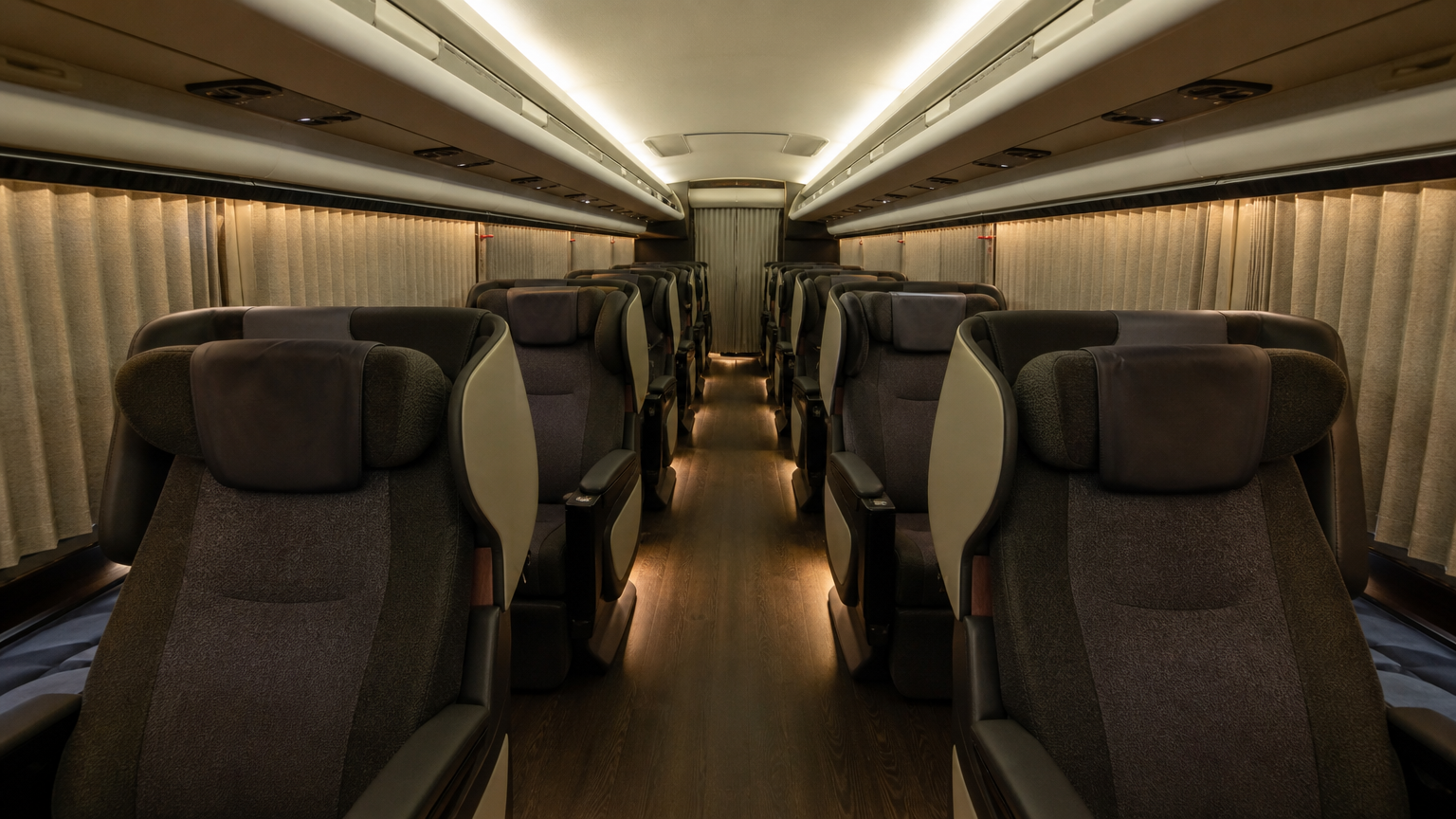
| Premium | The operator's own description is "business class on the road" — around 21 seats, full recline, individual screens |
The premium coaches were built specifically to compete with the train on comfort rather than speed. If you were going to dismiss long-distance buses on principle, look at that grade before you do.
How to book the seoul to busan bus
The official booking system is run by the national express bus association, and it has an English interface.
You will hit the same wall the trains have: foreign cards fail more often than they succeed, for the same reasons — the extra verification layer, 3D Secure, name matching. If you have already read what I wrote about booking the train, the diagnosis is identical.
Two things that always work:
-
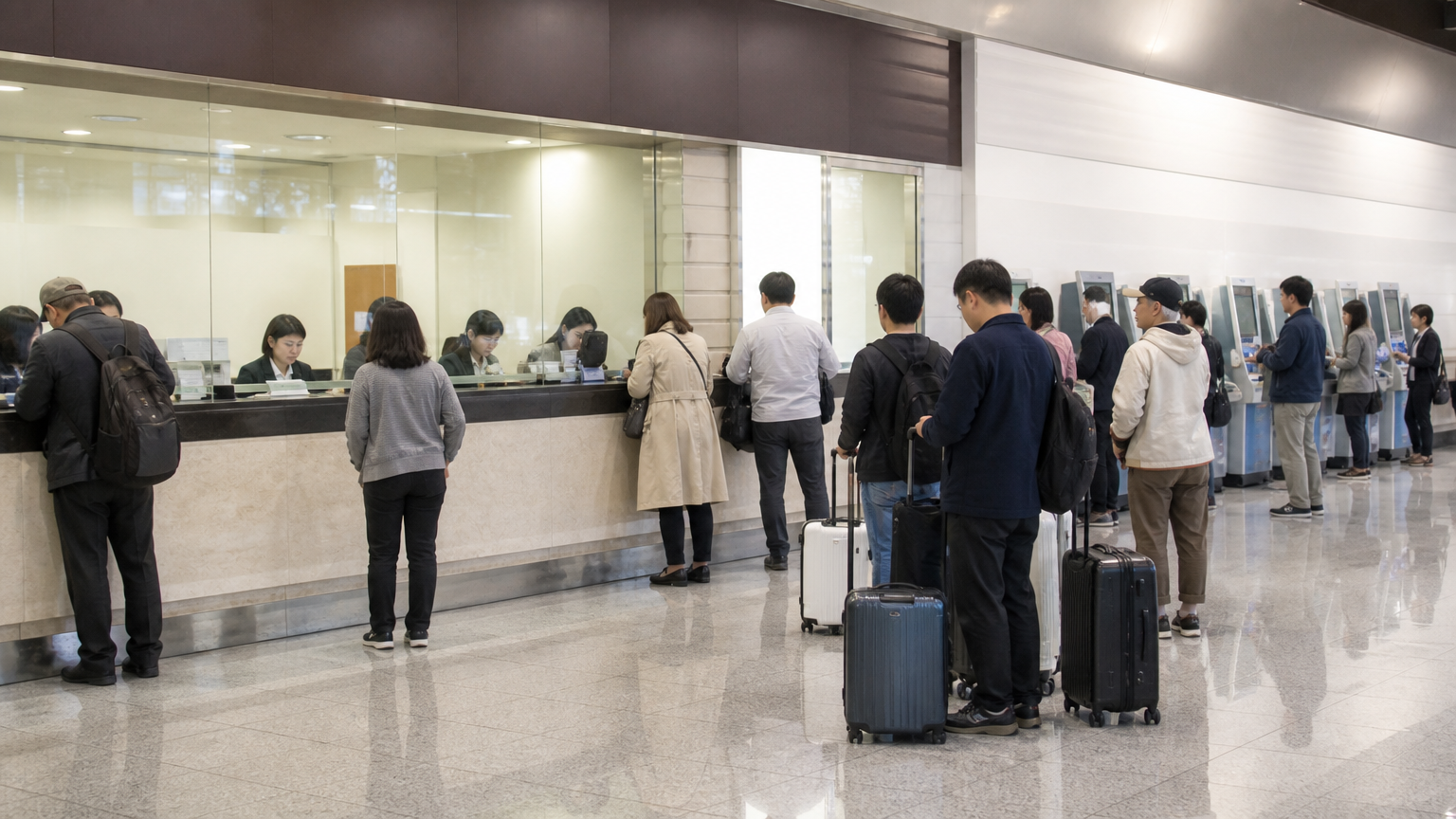
Buy at the terminal counter. Same as the train. Bring your passport, say the destination and the time, pay there.
-
Buy from the machines in the terminal, which have an English option.
Book ahead for weekends and holidays. Book very far ahead for the harvest holiday and lunar new year, when everything sells out the moment reservations open.
The part nobody tells you about: the rest stop
Here is the actual argument for the bus.
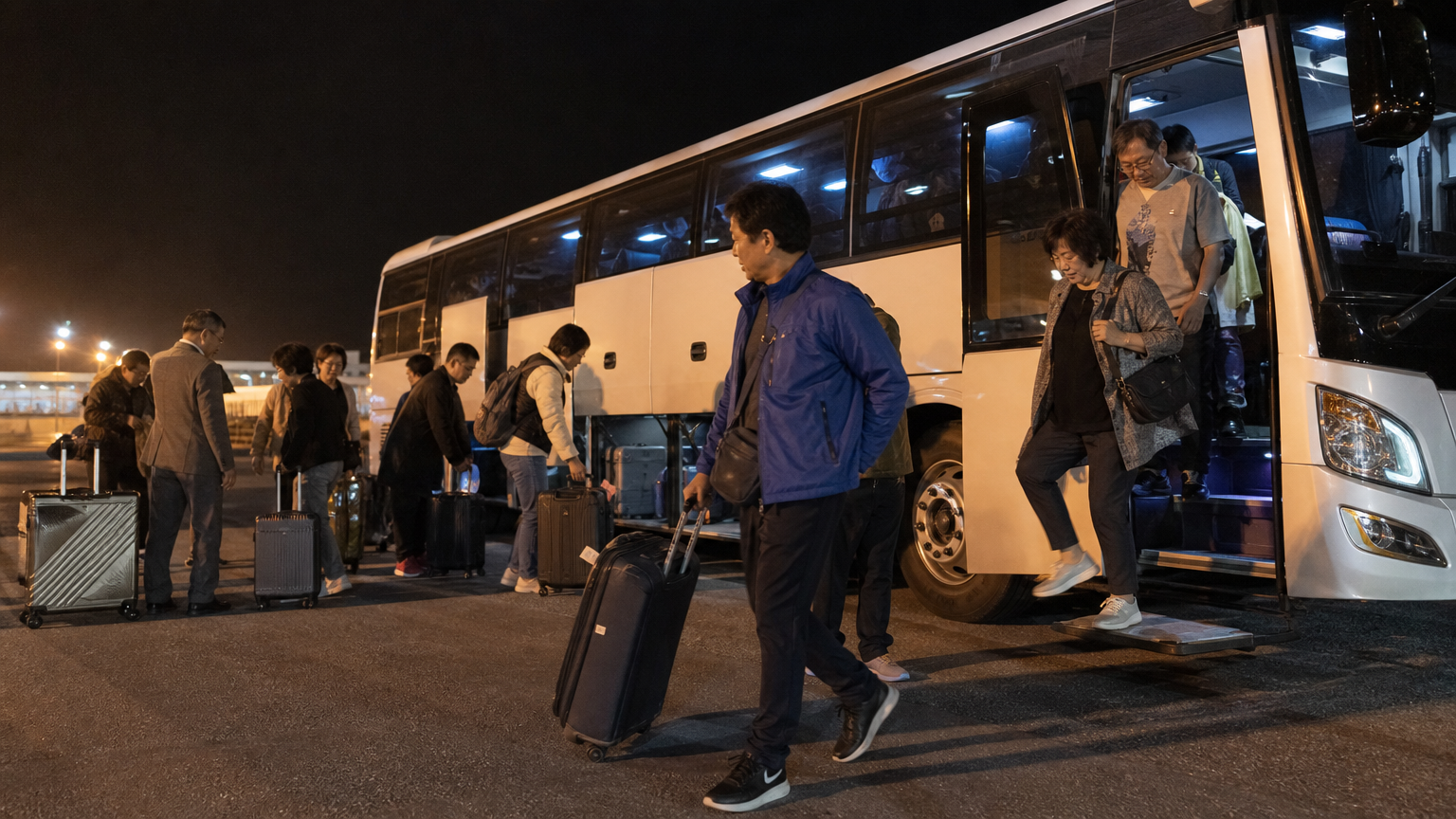
Somewhere in the middle of the journey the coach pulls into a highway service area and everybody gets off. It is not an emergency and it is not optional in spirit — it is a scheduled part of the trip.
The driver announces a departure time before you get off. Note it. The coach will leave at that time whether or not you are on it, and it is not waiting for a foreigner who lost track in the queue. Take a photo of the bus's number plate before you walk away, because in a row of forty identical coaches you will not find yours by memory.
That is the practical warning. Now the reason it is worth it.
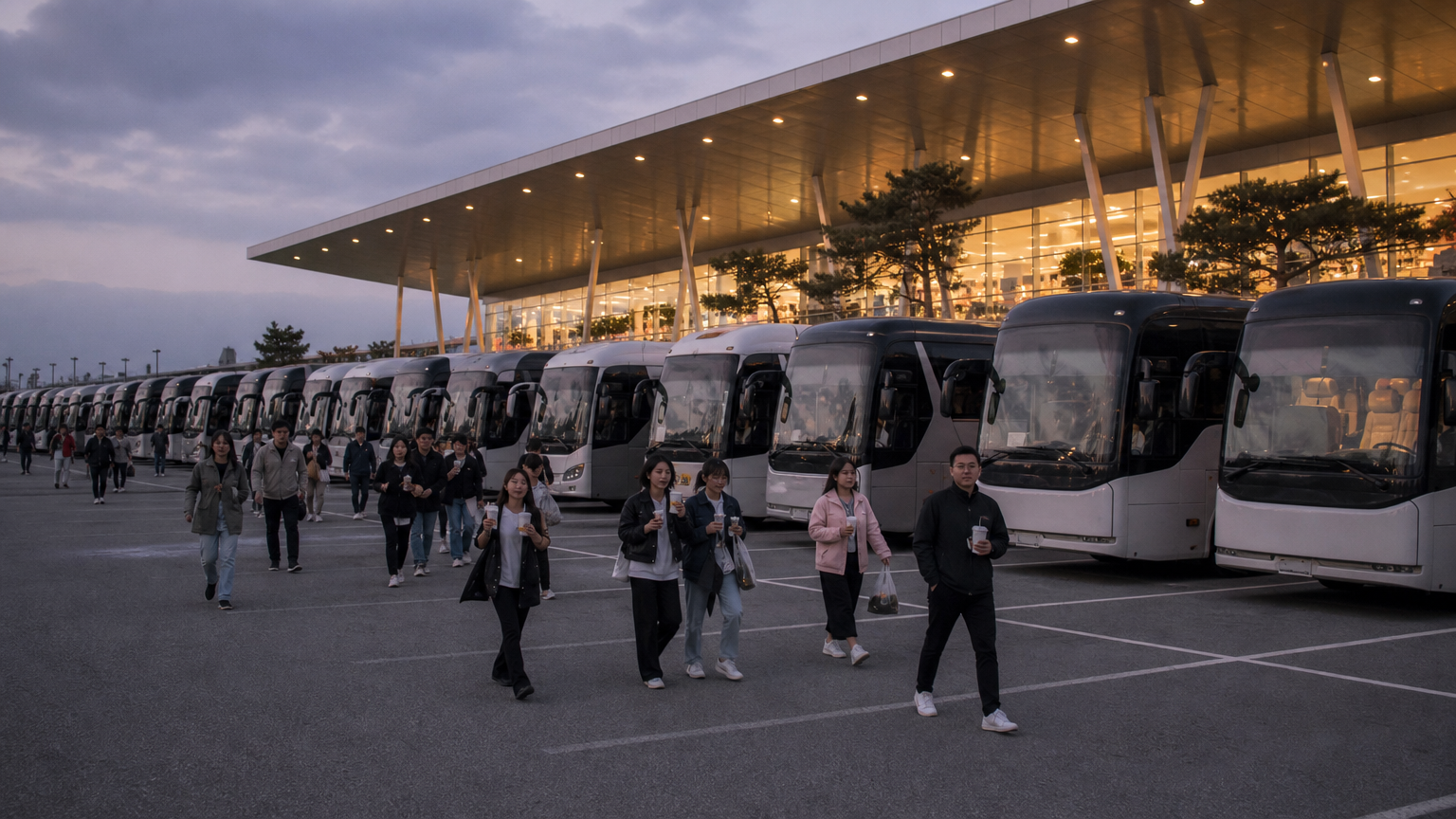
Korean highway rest areas are not what you are picturing
If your reference point is a motorway service station in Europe or a turnpike stop in the United States, recalibrate. These are food destinations that happen to be attached to a car park.
Koreans plan around them. People will argue about which one on which route is best. There are rest areas known nationally for one specific item, and drivers will time their journeys to hit them.
Here is what I actually ate, in the order I bought it.
-
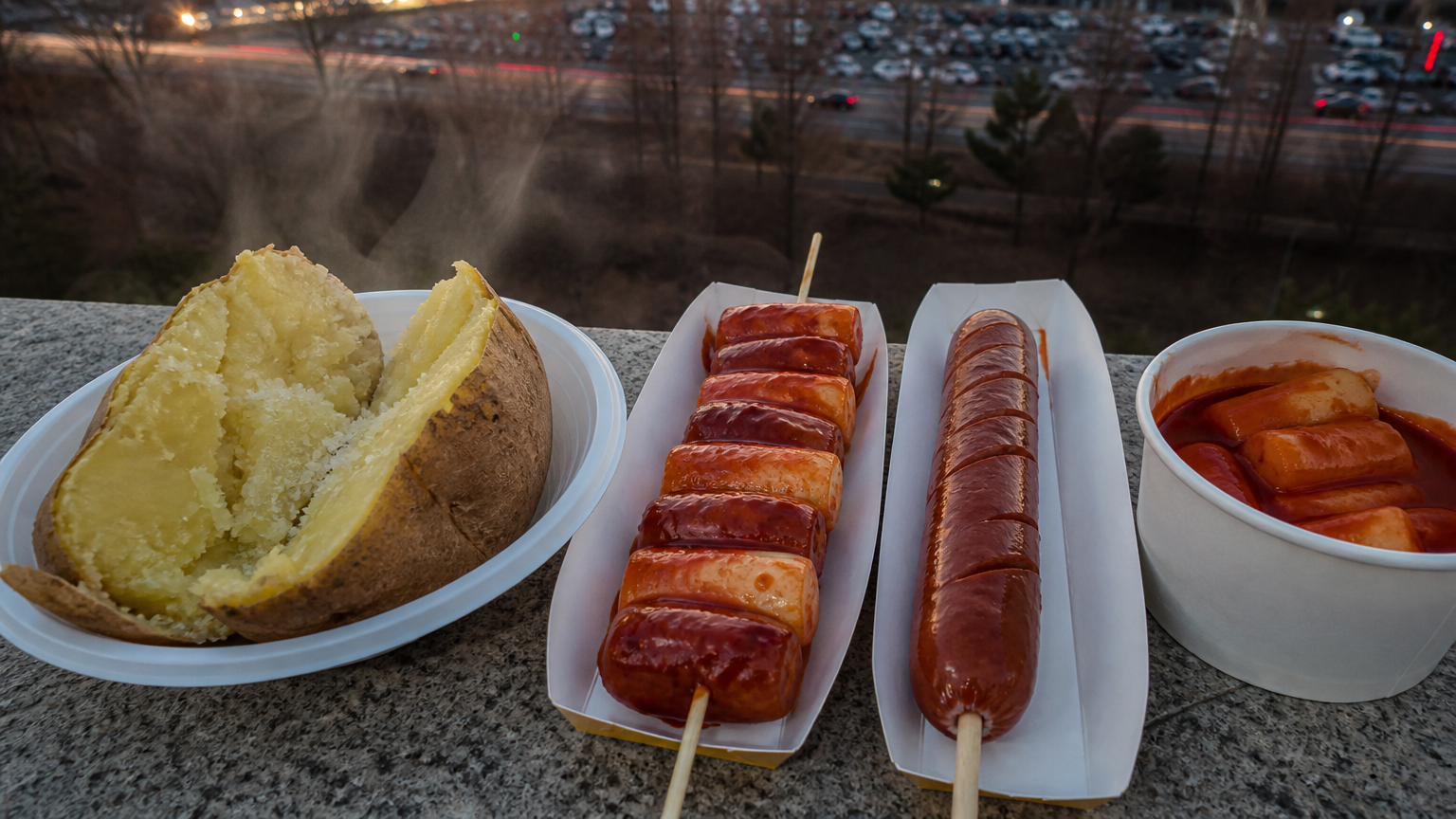
A whole steamed potato. They hand it to you with salt and sugar to put on yourself, and if you have never had sugar on a potato, do it anyway. That combination is the thing I still think about.
-
Sotteok sotteok — sausage and rice cake alternating on a skewer, glazed with a sweet and spicy sauce. This became a national craze a few years ago and is now the signature item of these places.
-
A plain grilled sausage on its own stick, because the skewer was not enough.
-
Tteokbokki — rice cakes in red sauce, from a counter, eaten fast out of a paper cup.
I bought four things in fifteen minutes and ate all of them standing in a car park, and it was one of the better meals of that year. That is not a joke about low standards. It is what the place is for.
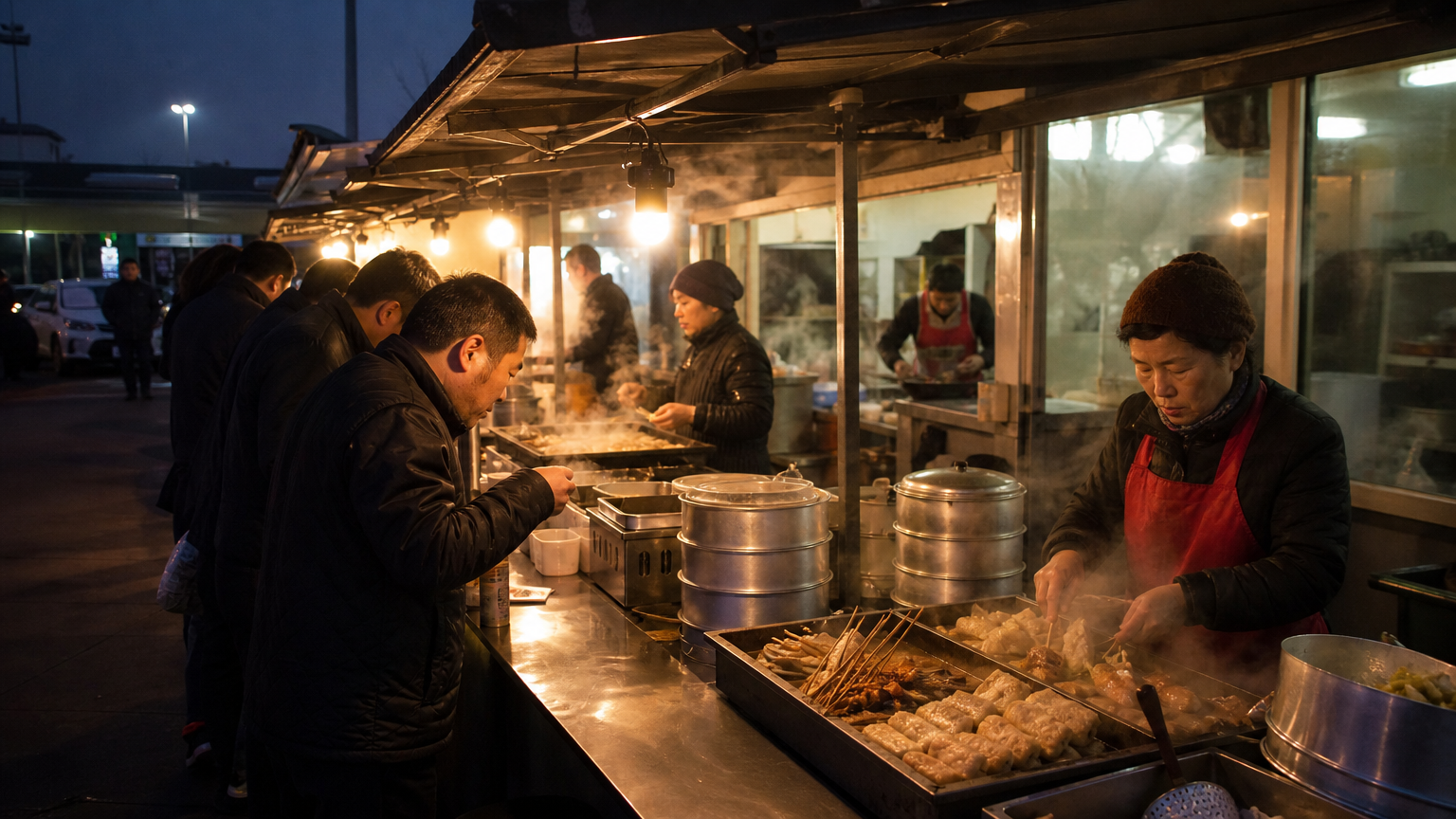
You will also see walnut-shaped cakes with red bean inside, roasted chestnuts in the colder months, and udon from a counter. None of it is refined and all of it is hot.
The correct move is not to sit down to a proper meal. It is to buy two or three things in paper, eat them standing up, and get back on the bus.
So which should you take?
An honest split, without pretending one is better.
| Take the train if | Take the bus if |
|---|---|
| You are short on days | You want the cheaper fare |
| You are staying near Seoul Station | You are staying in Gangnam or Jamsil |
| You get motion sick | Trains are sold out |
| You want to arrive and start immediately | You would rather see something on the way |
For a first trip with three or four days total, take the train — the time matters more than the money. For a longer stay, or a second visit, or a traveller who likes the parts of a country that are not on any list, the coach is the better story.
Practical notes for the ride
Bring something warm. Long-distance coaches run the air conditioning hard in summer.
Luggage goes in the hold underneath and the driver handles it. Keep anything you need with you, because you cannot get into the hold at the rest stop.
There is no toilet on most coaches. That is what the stop is for, and it is another reason not to spend all fifteen minutes in a queue for walnut cakes.
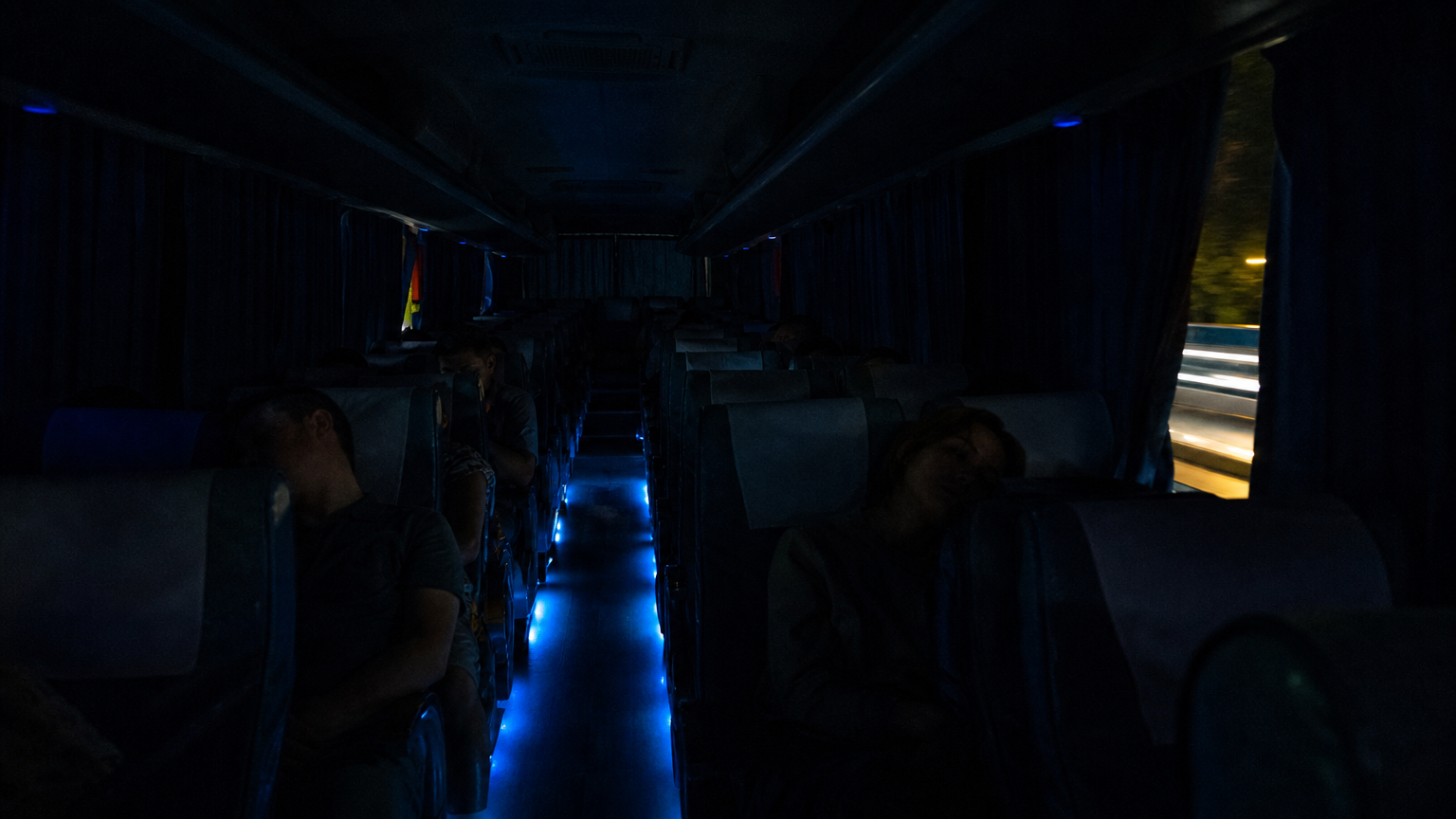
Curtains exist and people use them. Sleeping is the norm rather than the exception, and the interior lights go off.
Getting to the terminal
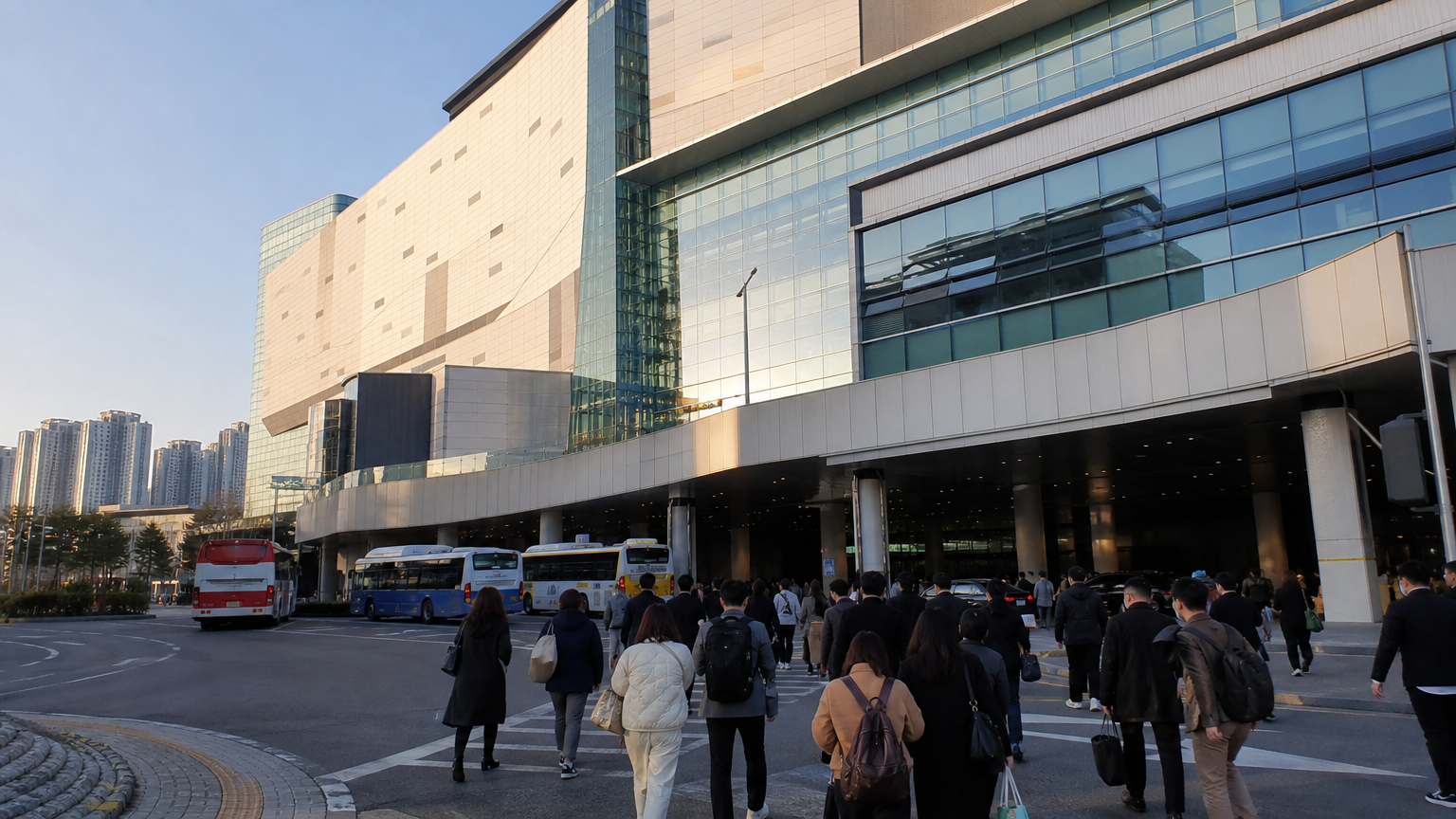
Seoul's main express bus terminal is on the south side of the river and sits directly on the subway network, with several lines converging there. It is attached to a shopping complex, so allow a few extra minutes to find the right hall — express and intercity departures are not always in the same building.
In Busan you arrive at the city's central bus terminal in the north of the city, on the subway line. That is further from the beaches than the train station is, which is worth knowing when you plan your first evening.
FAQ
Is the seoul to busan bus cheaper than the train?
Yes, at every grade. The gap is meaningful enough to matter if you are making several intercity trips, though the premium grade narrows it.
How long does the bus take compared to the train?
Longer, and the difference depends on traffic. The train is around two and a half hours. Treat the coach as a half-day rather than a fixed number, especially on Friday evenings and holidays.
Can I book with a foreign credit card?
Sometimes, and it fails often for the same reasons train bookings fail. The terminal counter and the terminal machines always work, and the machines have an English option.
What happens at the rest area stop?
The coach pulls in, the driver announces a departure time, and everyone gets off for roughly fifteen minutes. Note the time, photograph your bus's plate, and be back early. The coach leaves on schedule.
Is the food at rest areas actually good?
Yes, and that is not politeness. They are a genuine part of domestic travel culture here, with items people specifically detour for. Buy something hot and eat it standing up.
One last thing
The train is the correct choice and I will keep taking it. But the fastest route through a country is not always the one that shows you the most of it, and there is a particular kind of ordinary that only appears at a motorway stop at nine in the evening, with forty strangers eating skewers in a car park before getting back on the same bus.
If you have the hours to spare, take the seoul to busan bus once and spend them that way.