Seoul Cafe Culture: Why There Are So Many, and How Locals Actually Pick One

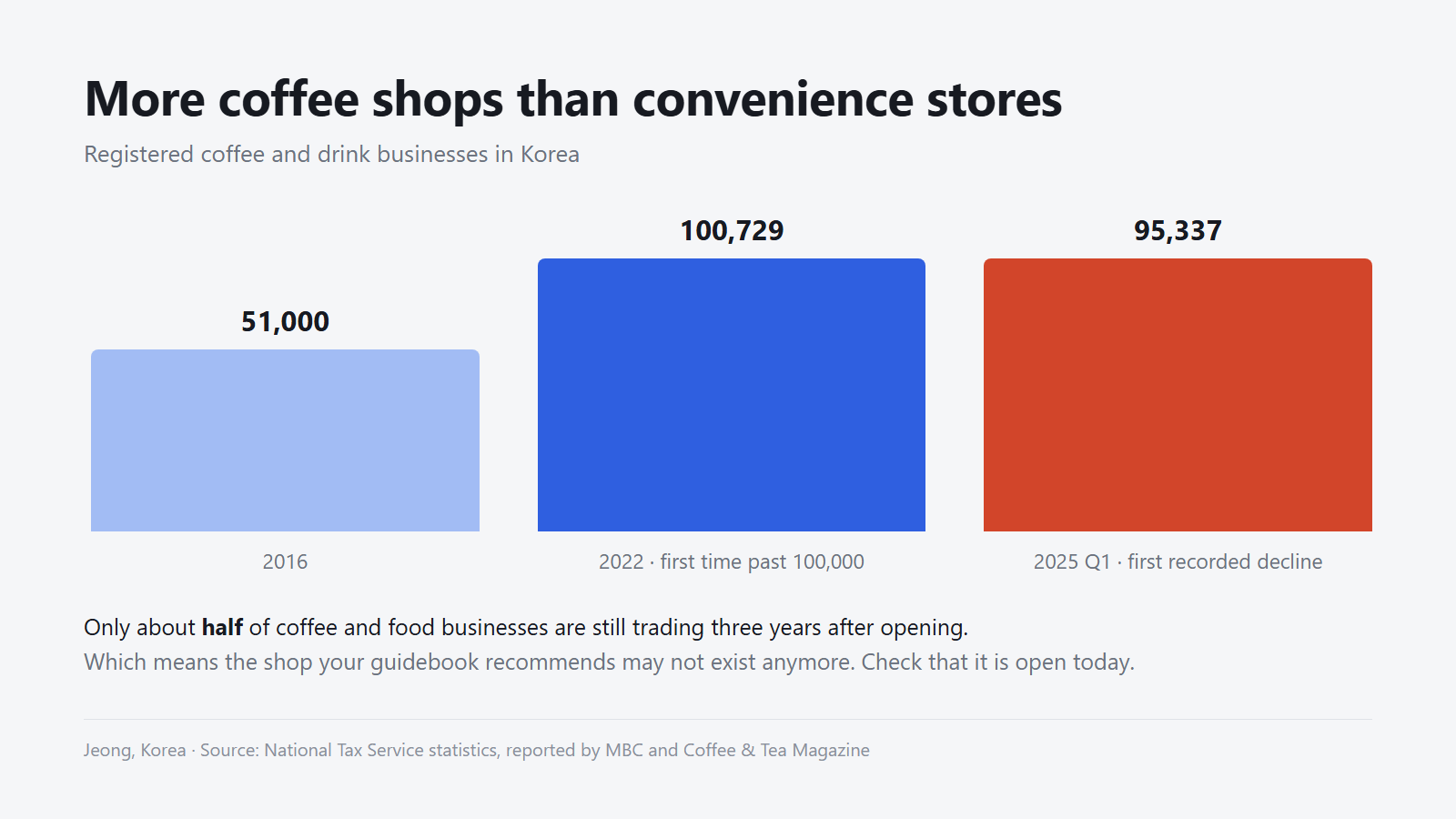
At the end of 2022 there were 100,729 coffee shops in Korea. That was the first time the number crossed a hundred thousand, and it meant there were more places to buy coffee in this country than there were convenience stores.
Six years earlier there had been about 51,000. The number nearly doubled while nobody was really watching.
Then, in the first quarter of 2025, it fell — down 743 from the year before. It was the first first-quarter decline since the statistic has been kept.
I bring up the arithmetic because it explains the thing my friends always ask when they get here: why are there four of these on one block, and how do I know which one to walk into? Choosing a seoul cafe stops being hard the moment you understand why there are so many to choose from.
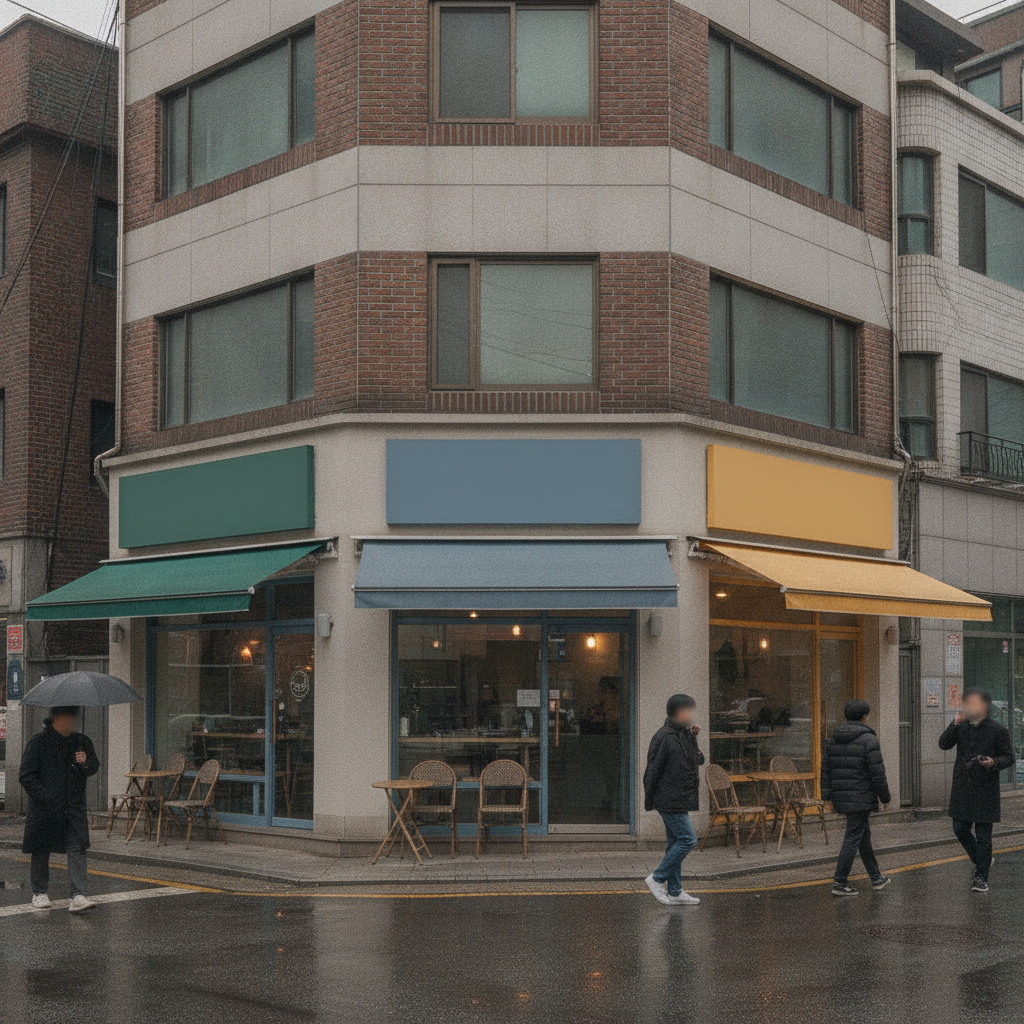
Cafés here are not really about coffee
This is the part that does not translate. In most countries a coffee shop is a place you buy a drink. Here it is a place you stay.
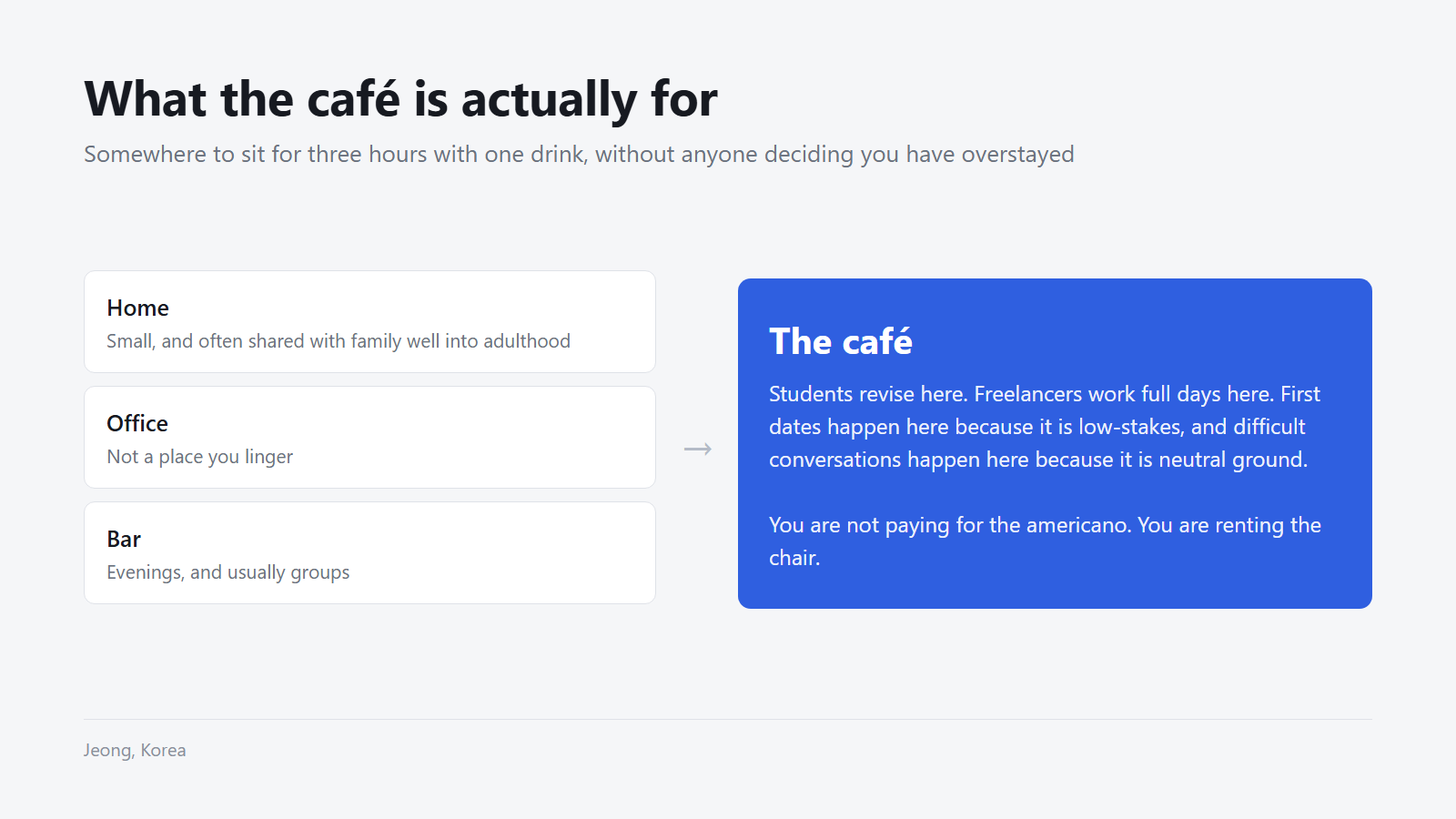
The reason is spatial. Homes in Seoul are small and often shared with family well into adulthood. Offices are not places you linger. Bars are for evenings and for groups. That left a gap — somewhere to sit for three hours with one drink, alone or with one other person, without anyone deciding you have overstayed.
Cafés filled it completely. Students revise here. Freelancers work full days here. Couples spend entire afternoons here. First dates happen here because it is the low-stakes option, and difficult conversations happen here because it is neutral ground.
So the price of the americano is not what you are paying for. You are renting a chair, and everyone involved understands that.
The boom, and the part nobody mentions
Coffee shops became the default small business. Low barrier to entry, no licence hurdles, a clear idea of what the shop looks like. Everyone who wanted out of an office opened one.
National tax statistics tell the rest: coffee and food businesses have one of the lowest survival rates of any category, with only about half still trading three years after opening. That first-quarter drop in 2025 is what the end of a boom looks like in a spreadsheet.
For you as a visitor this has one practical consequence: the shop your guidebook recommends may not exist anymore. Check that it is open today, not that someone loved it in 2023.
The four kinds, and which one you want
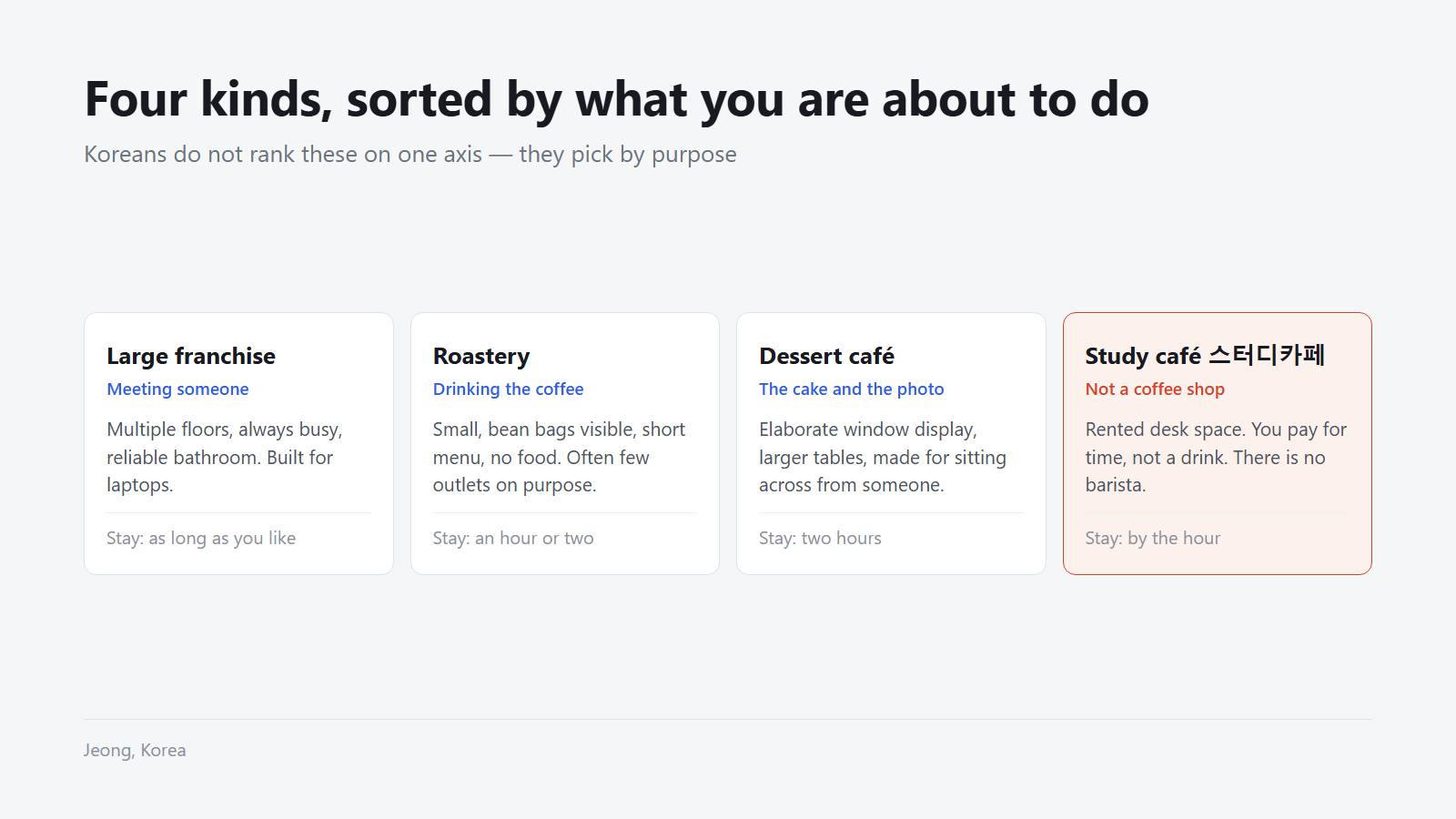
Koreans do not evaluate these places on one axis. We sort them by what we are about to do, which is why asking someone for a single best seoul cafe never produces a useful answer.
| Type | What it is for | How to spot it |
|---|---|---|
| Large franchise | Meeting someone, killing an hour, reliable bathroom | Familiar signage, multiple floors, always busy |
| Roastery / specialty | Actually drinking the coffee | Small, bean bags visible, short menu, no food |
| Dessert café | The photo, the cake, sitting for two hours | Elaborate window display, larger tables |
| Study café | Working — but it is a different business | Paid by the hour, silent, individual desks, no barista |
That last row is the one that trips people up. A study café (스터디카페) is not a coffee shop at all — it is rented desk space, you pay for time rather than a drink, and walking in expecting a latte will confuse everyone. If you want to work with a coffee in front of you, you want an ordinary café.
For actually drinking coffee, the roasteries are where Korea has quietly gotten very good. A small shop with six beans on the board and no cake case is almost always a serious one.
How to pick a seoul cafe by neighbourhood
Where you are narrows it more than any review does. Each district has a recognisable character, and locals choose accordingly.
| Neighbourhood | What the cafés are like |
|---|---|
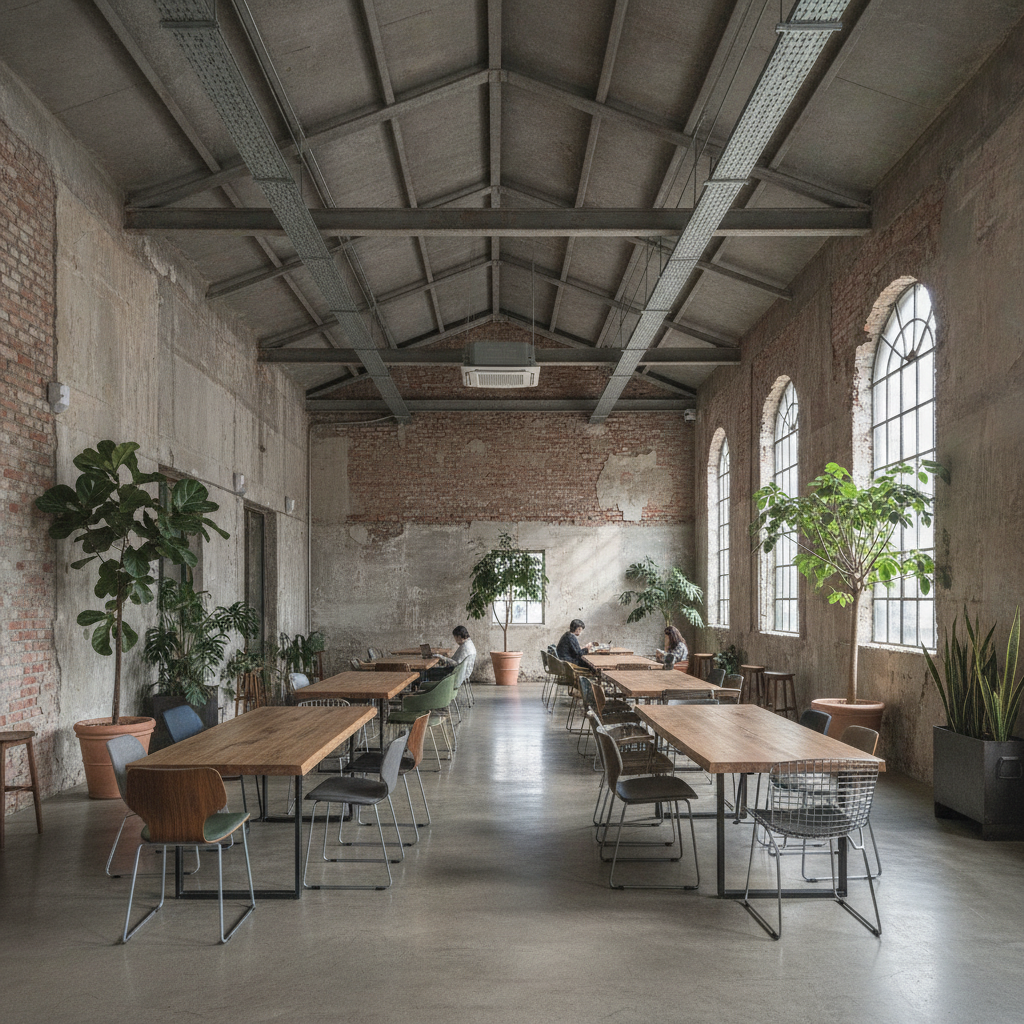
| Seongsu (성수) | Converted factories and workshops, high ceilings, design-led. The current centre of gravity |
| Yeonnam (연남) | Small, low-key, residential. Where you go to actually talk |
| Ikseon-dong (익선동) | Renovated hanok houses, courtyards, tight alleys |
| Bukchon / Samcheong (북촌·삼청) | Traditional tea houses alongside coffee, quieter, older buildings |
| Gangnam (강남) | Large, efficient, franchise-heavy. Good for meeting, less good for lingering |
| Hongdae (홍대) | Young, loud, late. Many open past midnight |
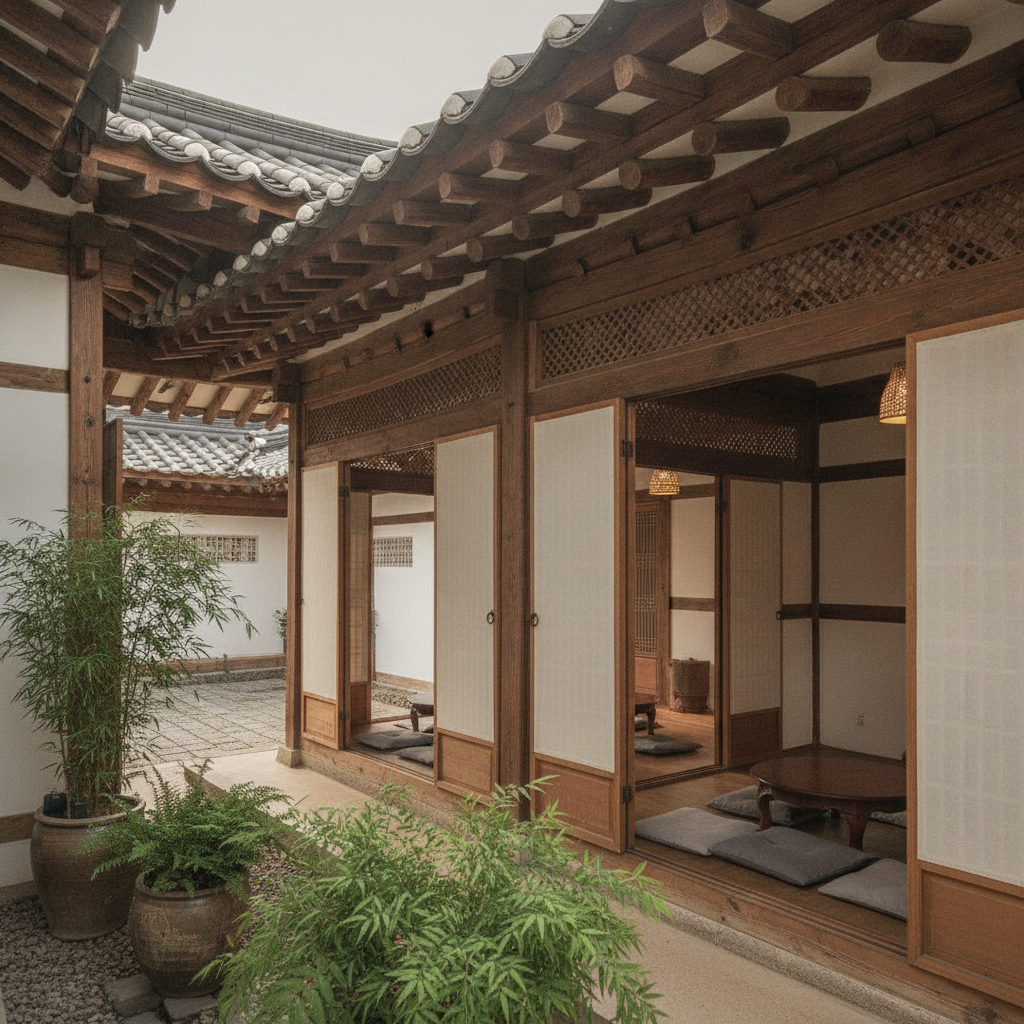
If a friend asked me for one, I would send them to Yeonnam in the afternoon and Seongsu if they wanted to see what the city is currently excited about.
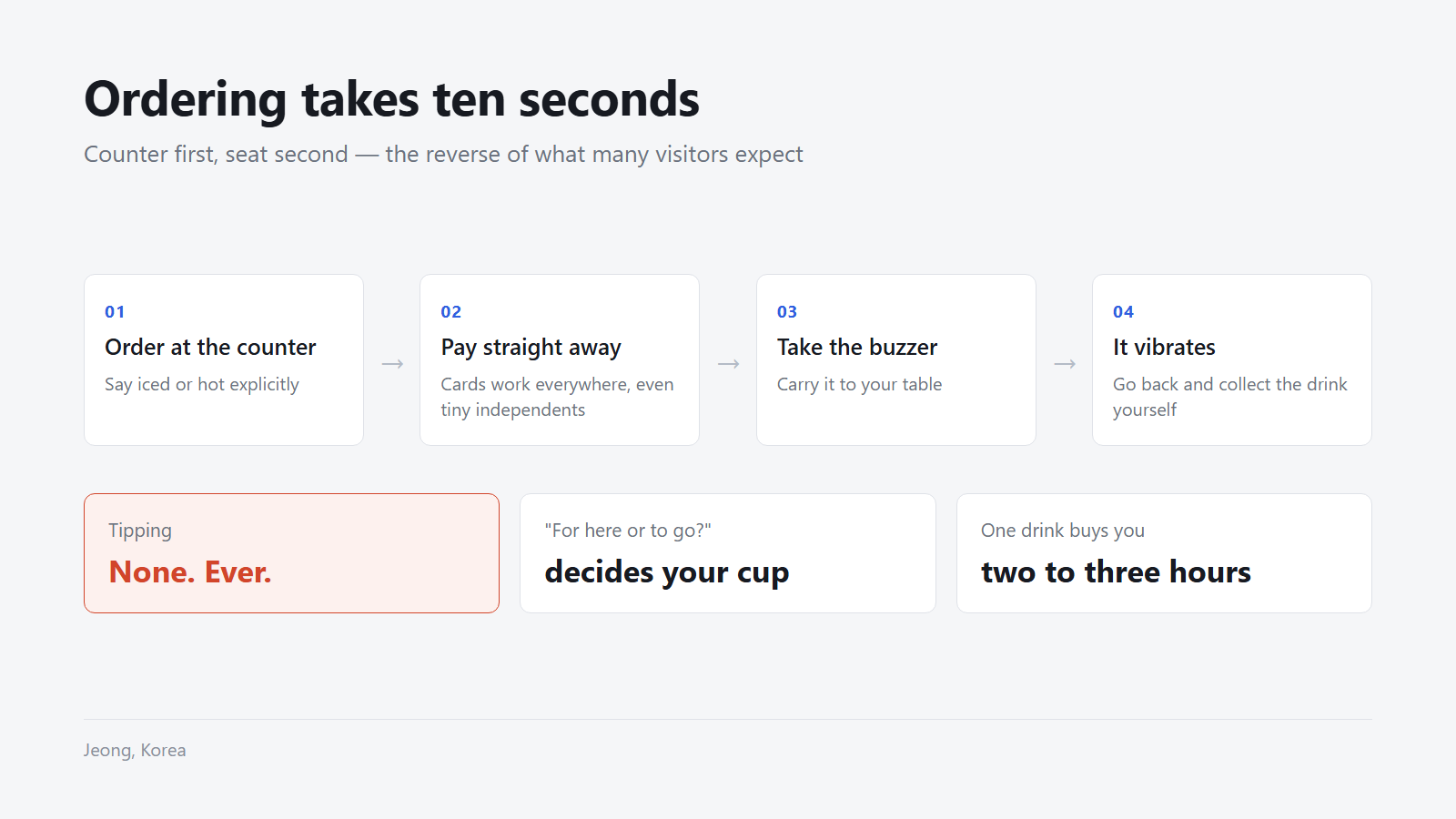
Ordering, which takes ten seconds
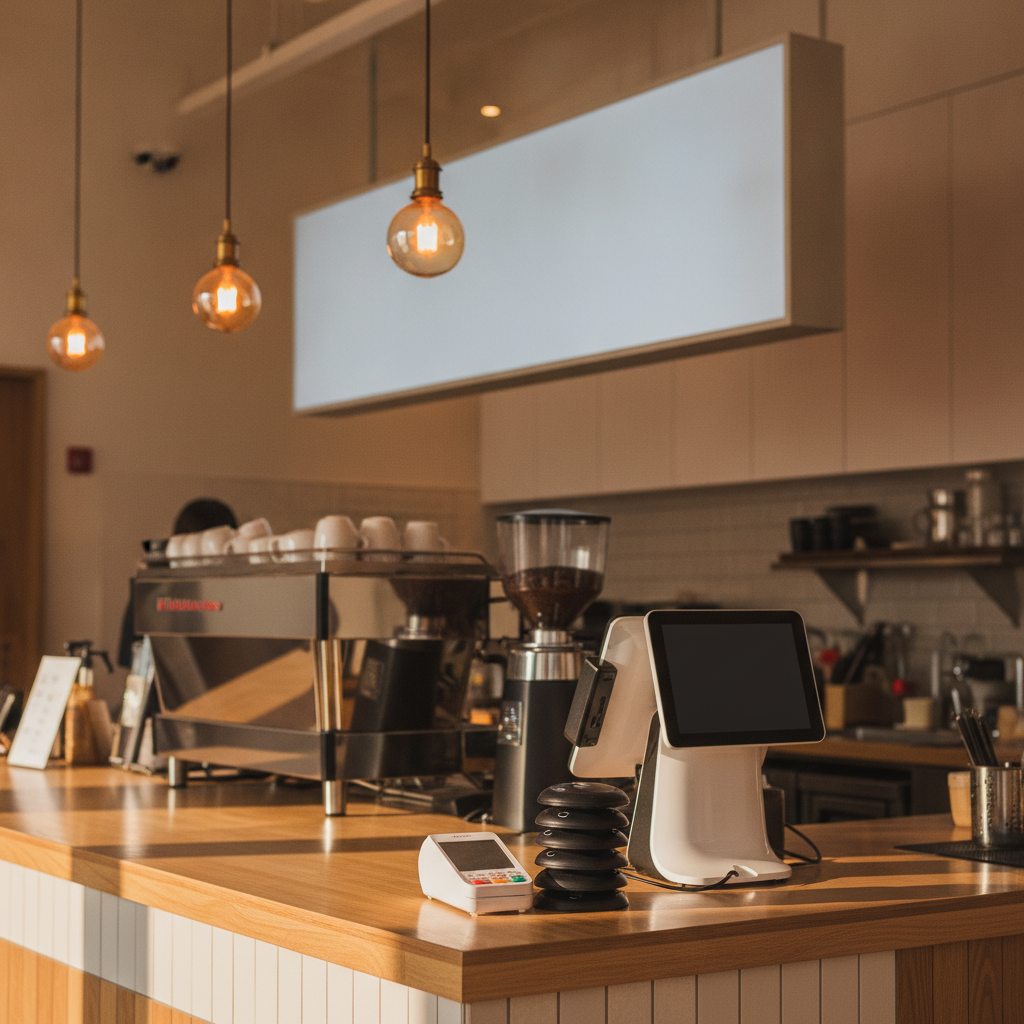
Order and pay at the counter first, then sit. You will usually be handed a buzzer that vibrates when the drink is ready — take it to your table, go back when it goes off.
-
There is no tipping. None. Not at the counter, not in a jar, not rounded up. Attempting it creates confusion rather than goodwill.
-
Cards work everywhere, including tiny independents.
-
Ask for it iced or hot explicitly. Iced is the default assumption in summer and the menus often list them separately.
-
"For here or to go" is a question with legal weight — see the next section.
The cup rule, which is a law and not a preference
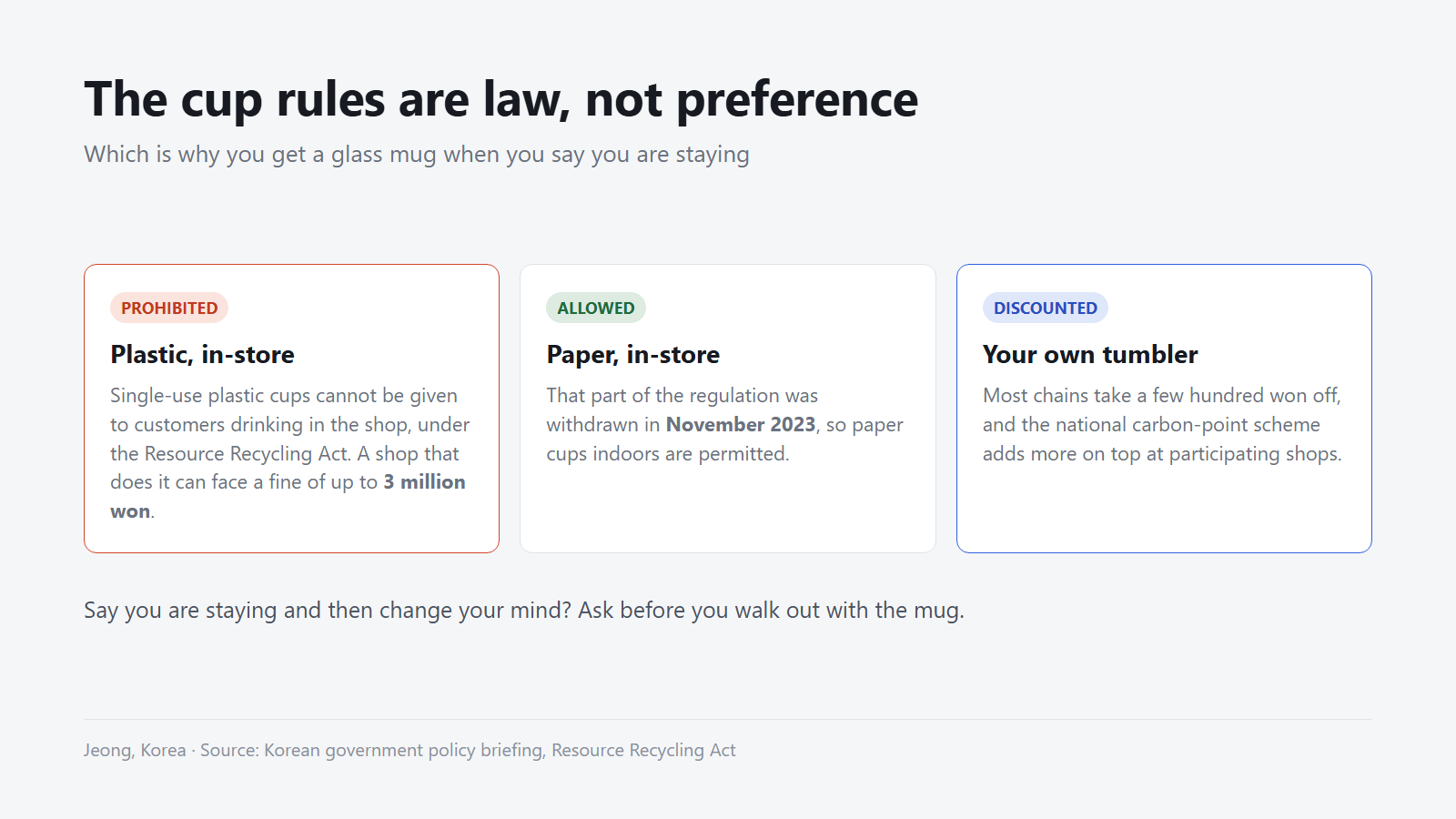
If you are staying in the shop, you will get a mug or a glass. This is not the café being fussy — single-use plastic cups for in-store use are prohibited under Korea's resource recycling law, and a shop that hands you one can face a fine of up to three million won.
Paper cups are a different matter; that part of the regulation was withdrawn in November 2023, so paper is permitted indoors.
Two things follow. First, if you say you are staying and then decide to leave, ask before you walk out with the mug. Second, bring a tumbler if you have one — most chains take a few hundred won off the price for it, and with the national carbon-point scheme on top the total benefit can reach several hundred more. Koreans carry tumblers constantly, and this is why.
How long you can actually sit
Longer than you think. A single drink buying two or three hours is standard and nobody is counting.
The unwritten limits are about the room, not the clock. If the shop is small and there is a queue for tables, one drink for four hours is inconsiderate. If it is a large franchise on a weekday afternoon, stay as long as you like. Buying a second drink after a few hours is the polite gesture, and it is what regulars do without being asked.
Power outlets are the real constraint. Smaller specialty shops often have very few on purpose, because they would rather have conversation than laptops. If you are planning to work, look for outlets before you order — that is the actual signal, more than any sign on the door.

FAQ
Can I work on a laptop in a seoul cafe?
In most places, yes, and it is completely normal. Large franchises are built for it. Smaller specialty roasteries sometimes discourage it by simply not providing outlets, and a few post signs limiting laptop use at busy hours. Check for power sockets before you sit down.
Do I tip at cafés in Korea?
No. There is no tipping culture in Korean cafés, restaurants, or taxis. The price on the menu is the price you pay, and staff are not expecting anything beyond it.
Why did I get a glass mug instead of a plastic cup?
Because single-use plastic cups are not allowed for customers eating or drinking in the shop, under the resource recycling law. Paper cups indoors are permitted. If you want a disposable cup, say you are taking it away — and mean it.
Is there a discount for bringing my own cup?
Yes. Most chains discount a few hundred won for a personal tumbler, and the government carbon-point programme adds more on top at participating shops. It is one of the few consistent discounts in Korean retail.
How much does coffee cost?
An americano runs from roughly the low thousands of won at budget chains to considerably more at specialty roasteries. Budget chains have expanded fast in the last few years and are genuinely fine — the gap in quality is much smaller than the gap in price.
Are cafés open late?
Many are, particularly around Hongdae and Gangnam, and some run 24 hours. Neighbourhood cafés in quieter districts often close by nine. Check before making it your after-dinner plan.
The short version
There are this many cafés because the city needed somewhere to put its hours, and coffee was the excuse. Once you understand that, choosing gets easy: decide what you are going to do first, then pick the type of room that is built for it.
Order at the counter, take the buzzer, keep the mug, leave no tip. That is the whole protocol.
And if you are building a day around it, the Seongsu and Yeonnam mornings pair well with a market afternoon — the supermarket run and the café stop are the two most ordinary things I do with visiting friends, and the two they remember.
Sources
-
MBC News, reporting National Tax Service statistics — Korean coffee shop count passing 100,000: https://news.imbc.com/news/2024/econo/article/6612670\_36452.html
-
Coffee & Tea Magazine, on the first recorded decline in coffee shop numbers: https://coffeeandtea-magazine.com/news250527a\_tasis/
-
Korea.kr policy briefing — single-use item restrictions in cafés under the Resource Recycling Act: https://korea.kr/briefing/policyBriefingView.do?newsId=148897752
Business counts and regulations change. Check before you rely on them.