Seoul to Jeju: There Is No Train, and the Ferry Does Not Leave From Seoul

Your Jeju trip has one failure point. It is not the flight. It is the airport you leave from.
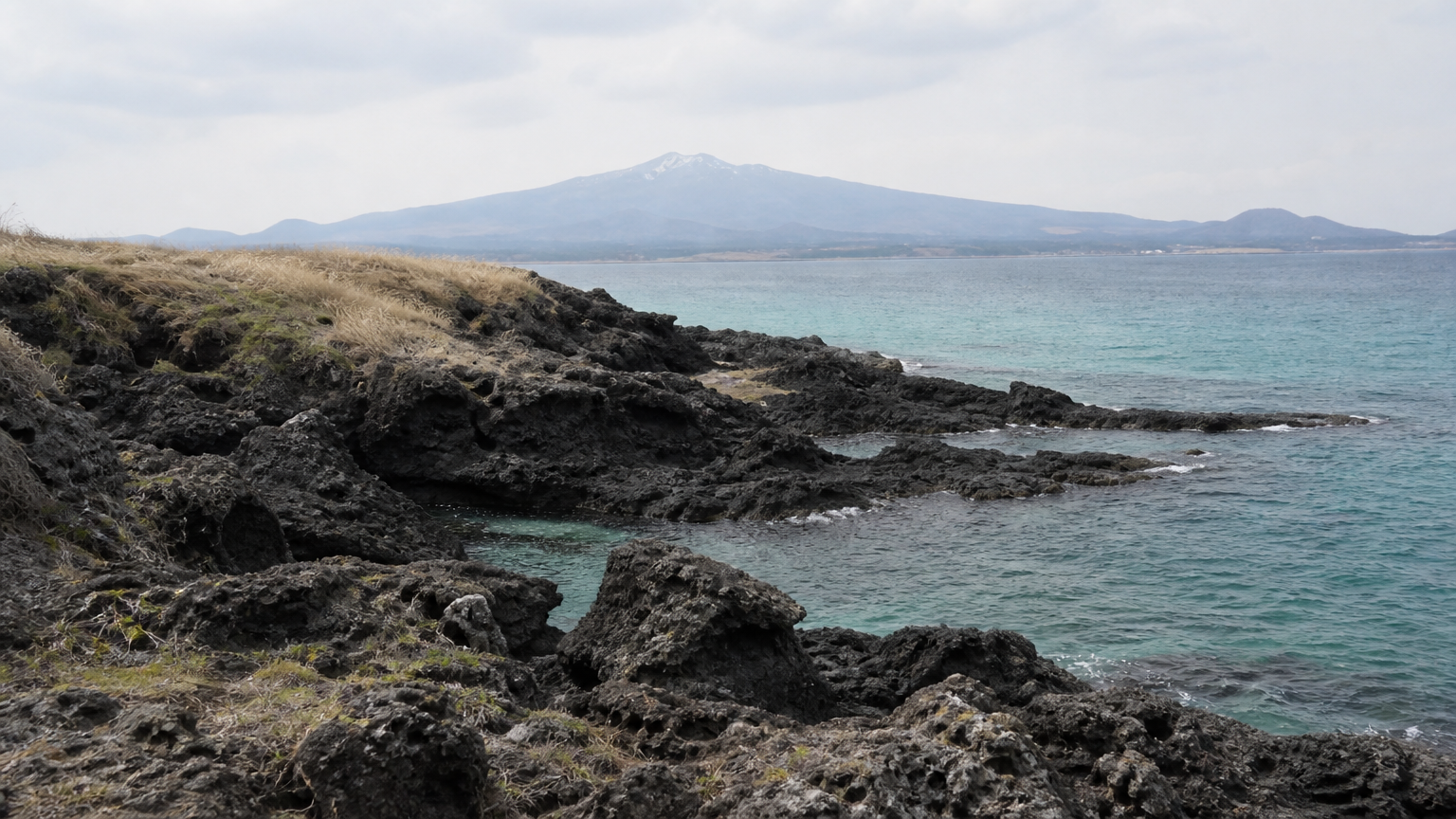
Every month, a steady number of people search for a train from Seoul to Jeju. There is no train. There is no bridge, no tunnel, and no coach that drives the whole way. Jeju is an island off the southern coast, and the only two ways to reach it are a plane and a boat.
That would be a short article if the rest were simple. It is not, because the two obvious answers both have a trap in them. The flight leaves from the airport most visitors have never heard of. The ferry does not leave from Seoul at all.
And there is a third thing, which almost no English guide mentions: depending on how you enter the country, Jeju may not require a visa in the first place. That one is written into its own Act, and it turns on a detail most people get wrong.
Here is the whole picture, starting with what does not exist.
What people look for, and what is actually there
Start by clearing the three routes off the table, because two of them are not what they sound like.
| What people search for | What actually exists | Where it starts |
|---|---|---|
| Train | No rail link. Jeju is an island. | — |
| Flight | The normal answer | Gimpo, not Incheon |
| Ferry | Real, but not from Seoul | Southern ports such as Mokpo and Wando |
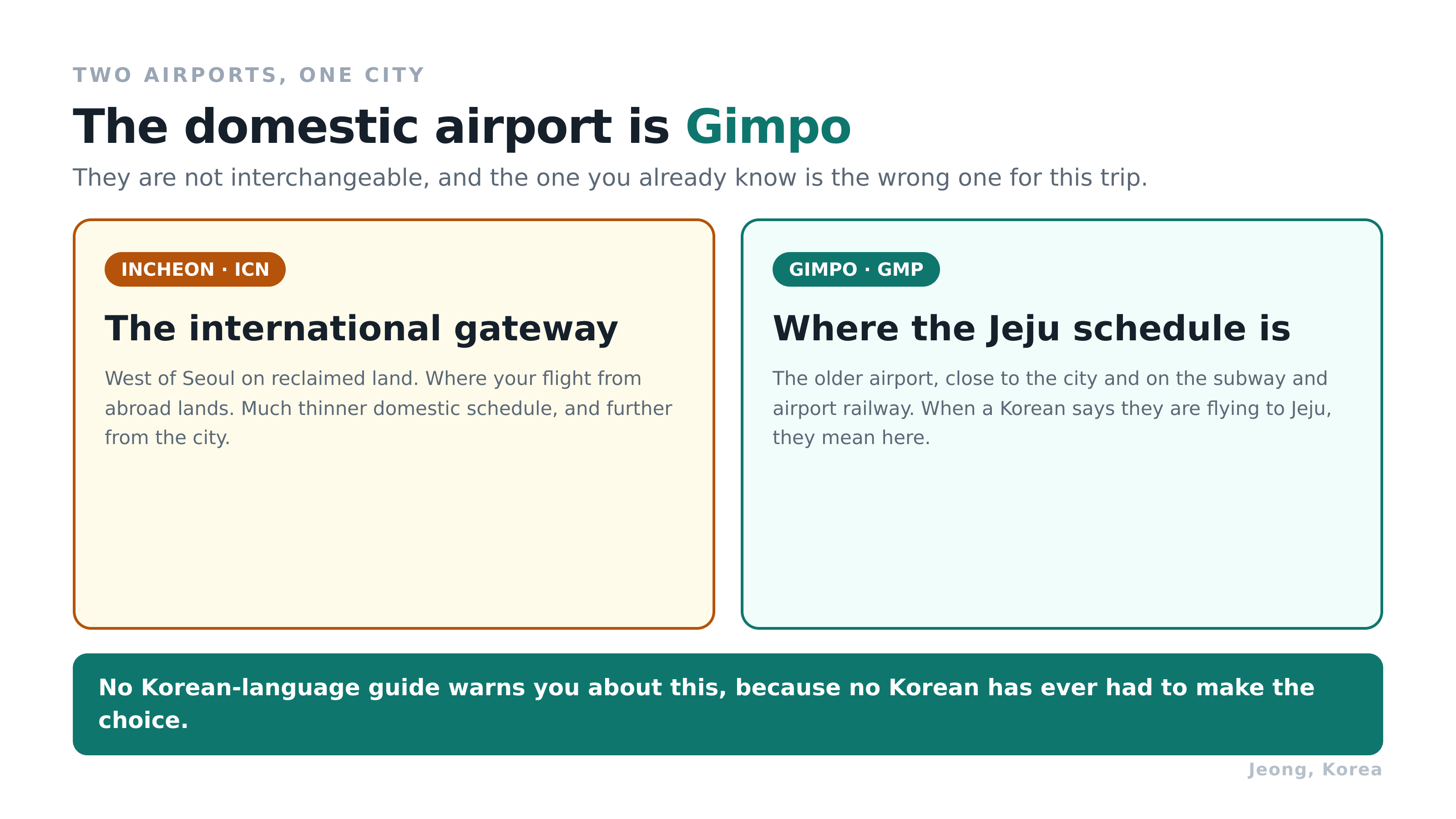
Now the part that matters. Korea has two airports serving the capital, and they are not interchangeable.
Incheon (ICN) is the international gateway. It sits west of Seoul, out on reclaimed land, and it is where your flight from abroad almost certainly lands.
Gimpo (GMP) is the older airport, much closer to the city, and it is where domestic flying happens. When a Korean says they are flying to Jeju, they mean Gimpo. It is not a preference. It is where the schedule is.
Why this matters: if you plan your Seoul to Jeju leg from Incheon because that is the airport you know, you are choosing from a much thinner timetable and travelling further to reach it. Koreans do not do this, which is why no Korean-language guide bothers to warn you about it.
Gimpo is on the subway network and the airport railway, so getting there from central Seoul is an ordinary journey rather than an expedition. Incheon is not, and the difference is roughly the length of a domestic flight.
If you are working out that first airport transfer at all: Incheon Airport to Seoul: 4 Ways, and Which One Is Actually Worth It
So if the flight is settled, what about the ferry that keeps appearing in every guide?
The ferry is real. It just does not start where you are.
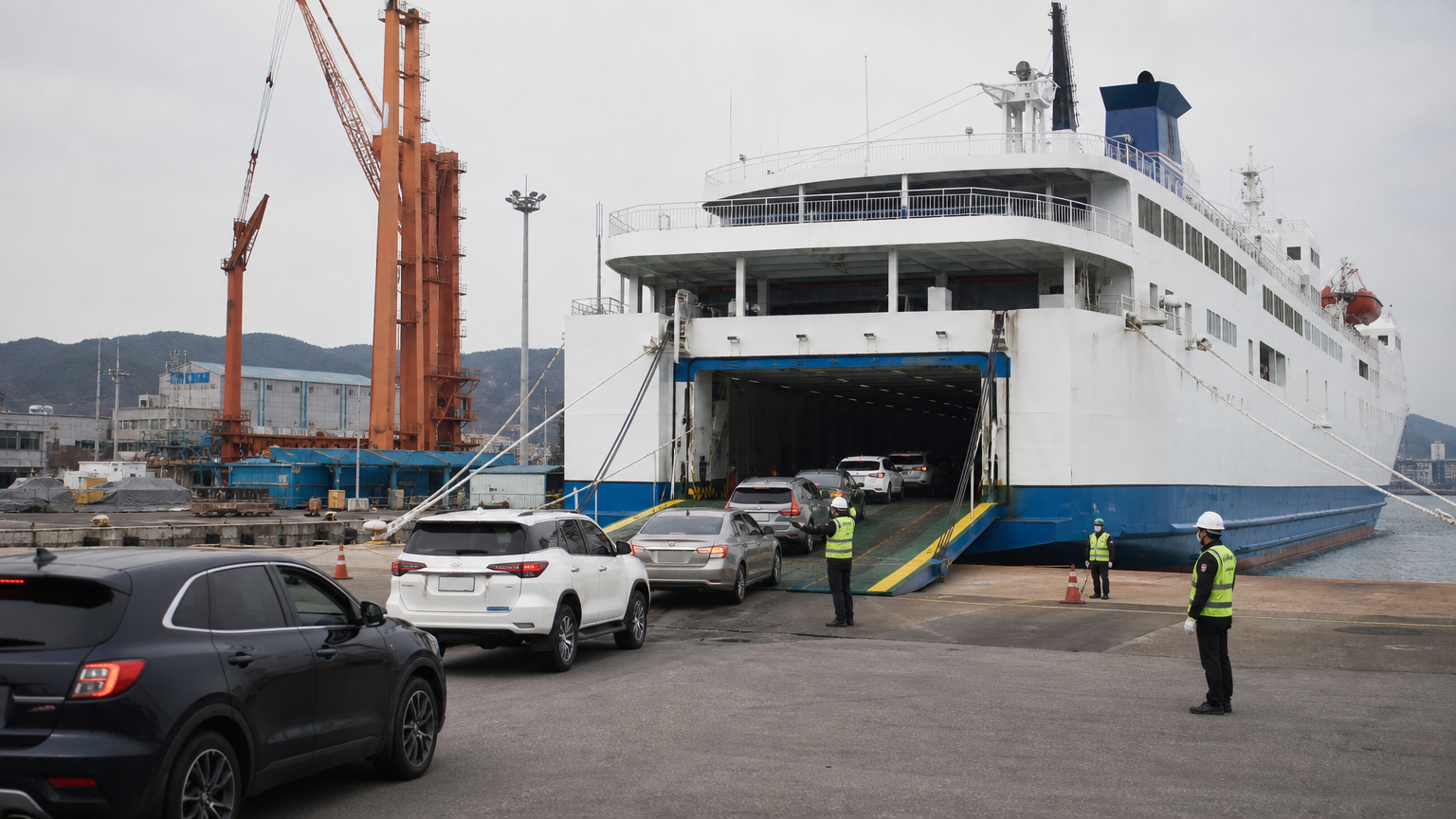
The ferry exists, and it is a genuinely nice way to arrive. It simply does not depart from Seoul, and listing it as a Seoul to Jeju option side by side with the flight is where the confusion starts.
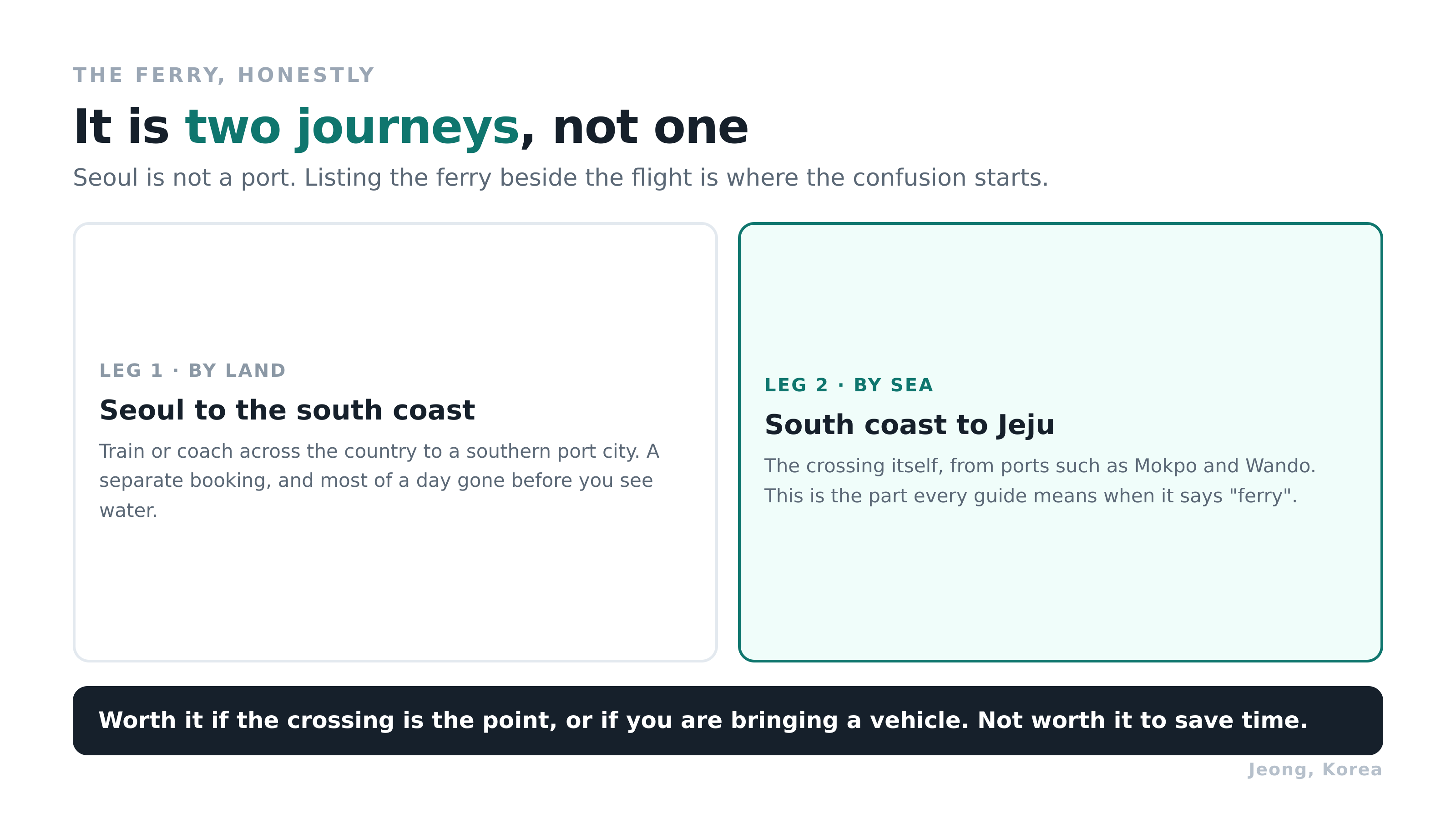
Seoul is not a port city in any sense that helps you here. The ferries to Jeju sail from ports on the south coast, and to reach one you first cross the country. In practice that means a train or a coach to a southern city, then the crossing.
So the honest shape of the ferry route is not "Seoul to Jeju by boat." It is "Seoul to the south coast by land, then the south coast to Jeju by sea." Two legs, two bookings, and a day rather than a morning.
That is worth doing if the crossing is the point of the trip, or if you are bringing a vehicle, which the ferry takes and the plane obviously does not. It is not worth doing to save time, and it is not reliably worth doing to save money once the land leg is counted.
One practical warning that applies to both: bring your passport. A domestic flight inside Korea still involves an identity check, and the ferry terminals check as well. Foreign residents can use a residence card. Everyone else needs the passport, and "I have a photo of it" is not the same thing.
The land leg, if you take it: Seoul to Busan KTX: Why Your Card Gets Rejected, and How to Actually Book It
Which leaves the thing nobody tells you, and it only applies to one kind of traveller.
If you fly straight to Jeju, you may not need a visa at all
Jeju has its own entry rule, written into its own statute, and it depends entirely on where you land first.
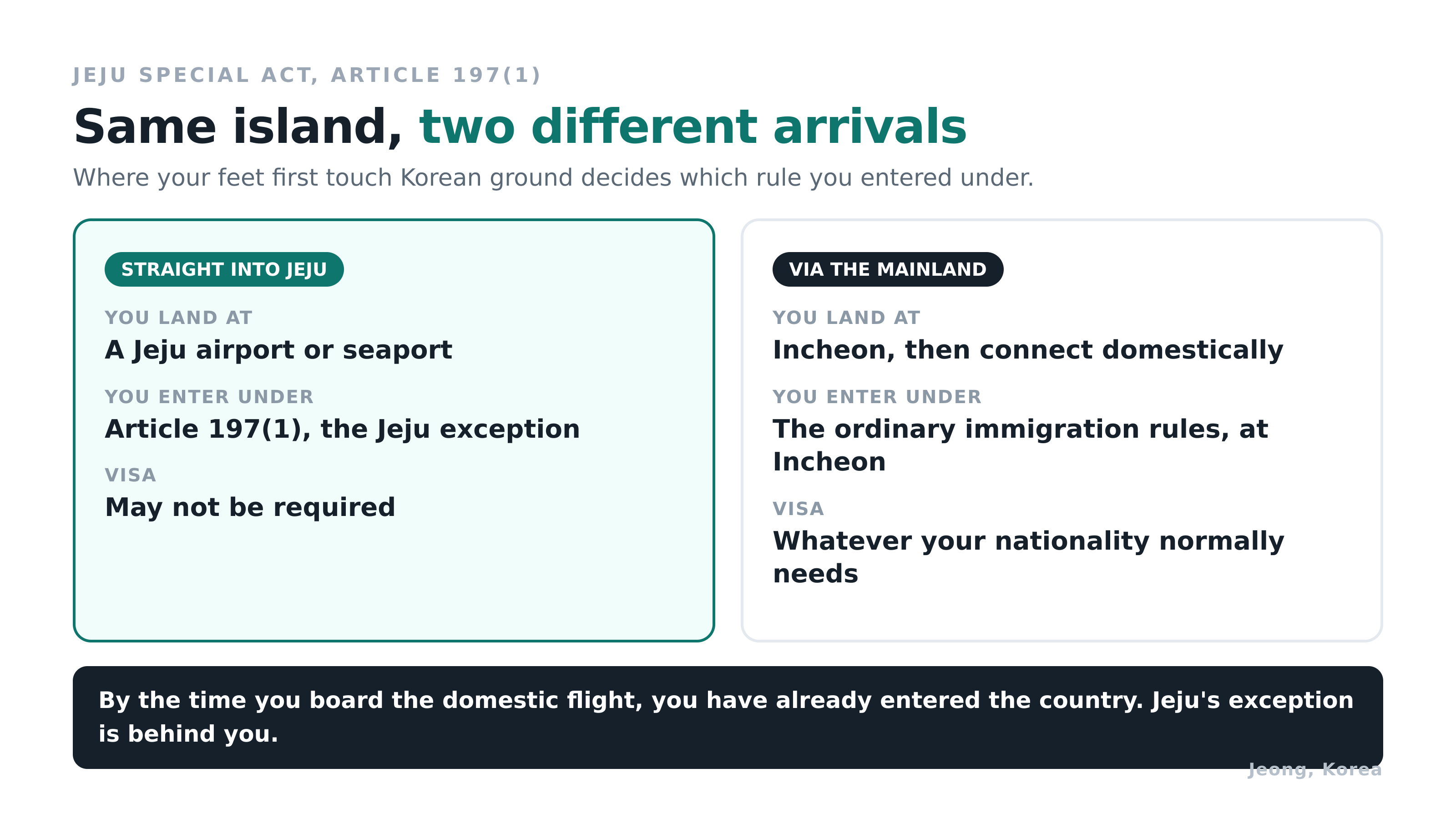
Article 197(1) of the Special Act on the Establishment of Jeju Special Self-Governing Province says that a foreign national entering through an airport or seaport in Jeju for purposes such as tourism or transit may enter without a visa, notwithstanding the general visa requirement, except for nationals of countries designated by notice of the Minister of Justice. Article 197(4) allows the permitted period of stay to be set separately by the same kind of notice.
Read the first clause again. Through an airport or seaport in Jeju. Not through Korea generally.
That is the whole thing. If you fly from abroad directly into Jeju, this rule is what you are entering under. If you fly into Incheon and connect domestically, you have already entered the country at Incheon under the ordinary rules, and Jeju's exception has nothing to do with you.
So the same island, reached two ways, is legally two different arrivals. Most people will never notice because most people arrive via the mainland. But if you are choosing an itinerary and Jeju is the main event, a direct international flight into Jeju is a different proposition from a Seoul stopover.
Two cautions, and I mean both of them.
The exception does not apply to every nationality. The Act carves out countries designated by notice of the Minister of Justice, and that list is a notice rather than a statute, which means it changes without the law changing. I am not going to reproduce it here, because a list I write today is a list that is wrong later.
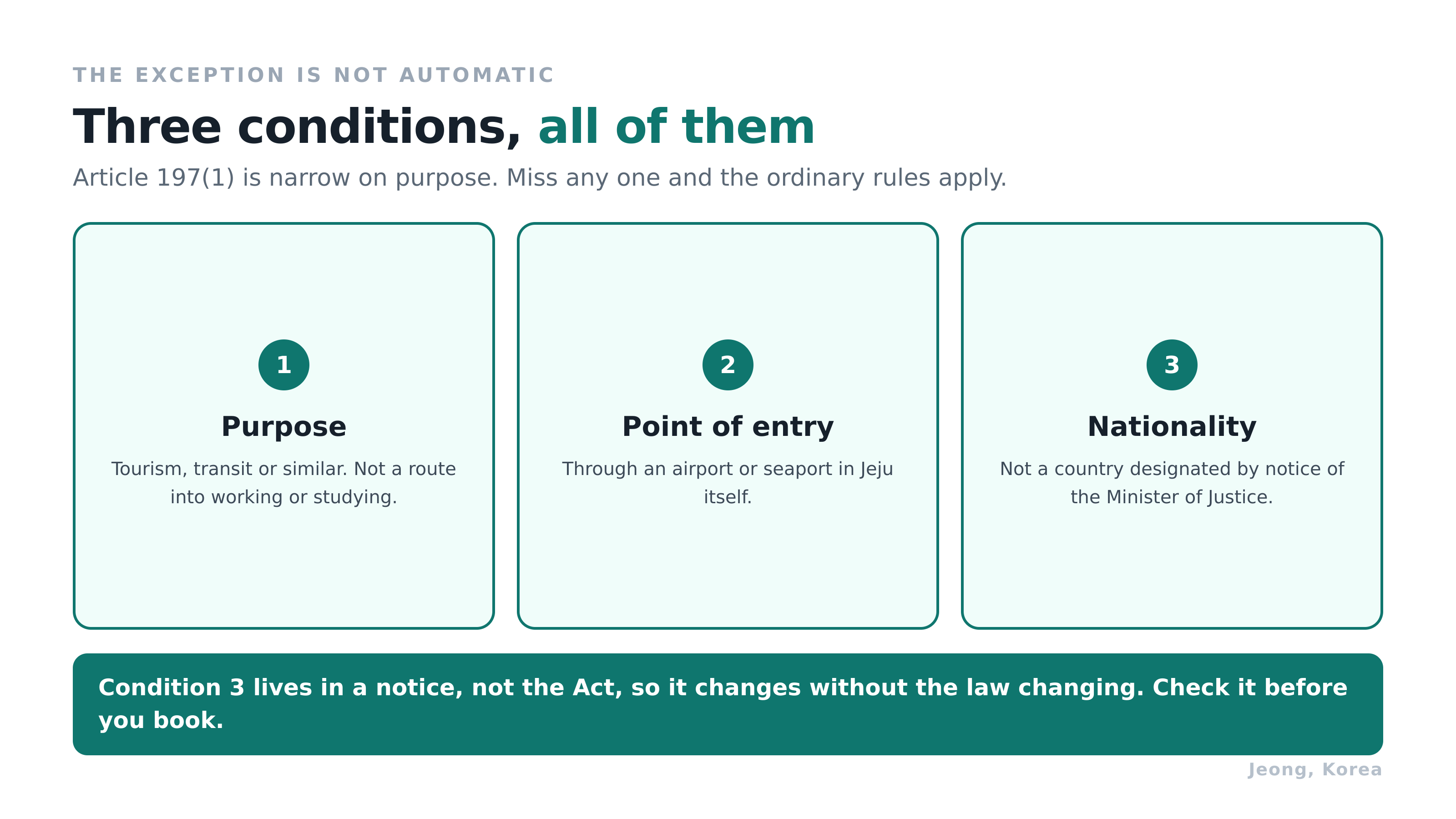
Check it yourself before you book, on the Korea Immigration Service's own information site rather than on a travel blog. That includes this one. The purpose condition matters too: the Act says tourism, transit and similar purposes, so this is not a route into working or studying.
What this actually looks like when you book it
Three sentences, if you want to stop reading here.
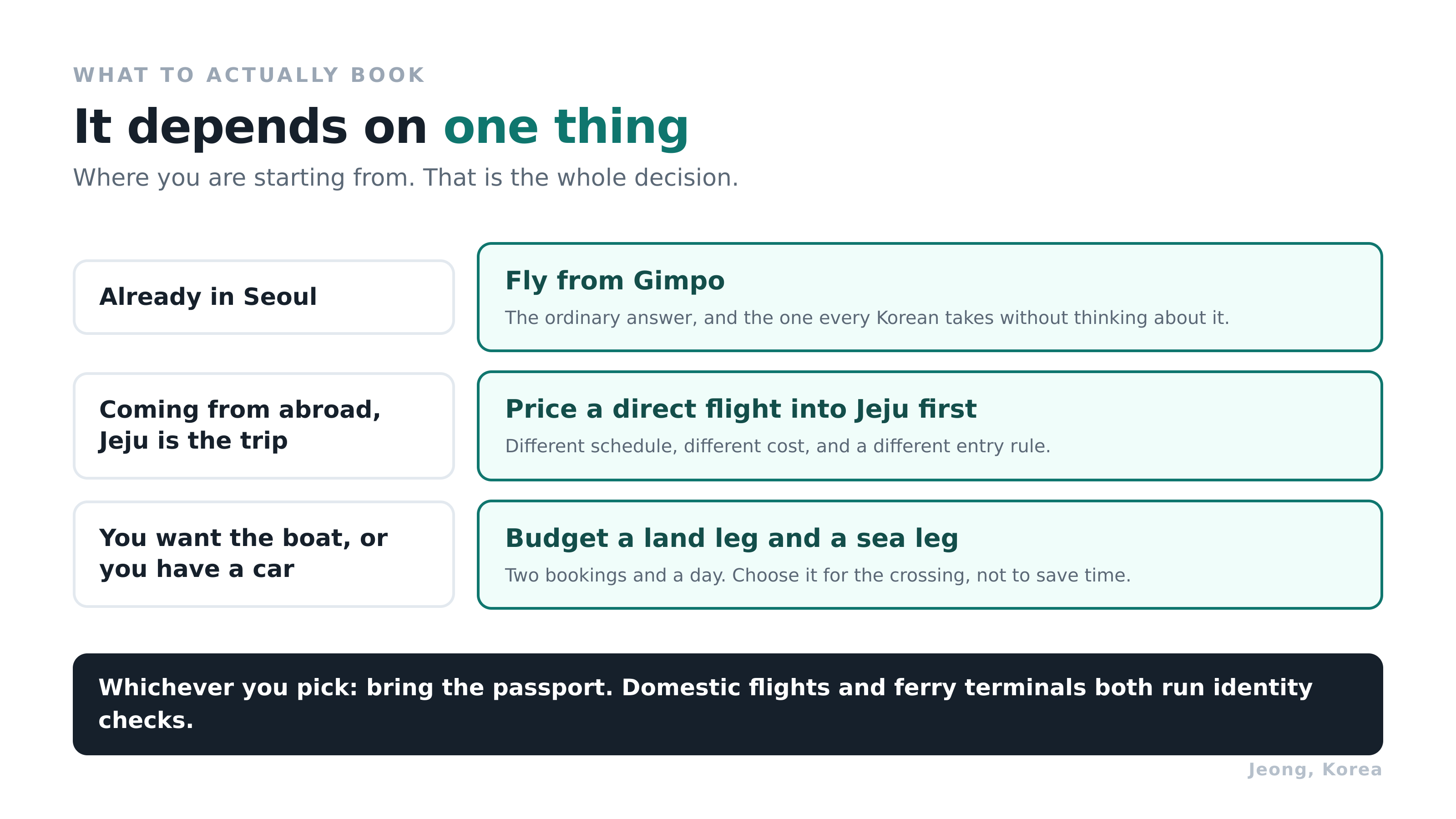
If you are already in Seoul, fly from Gimpo. If you want the ferry, understand that you are buying a land journey and a sea journey. If you are coming from abroad and Jeju is the point of the trip, price a direct flight into Jeju before you assume you must route through Seoul.

I have deliberately not given you fares or flight times. Airlines change both, and a number I write in August is a number that misleads you in November. Search the route for your actual dates and you will have a real answer instead of a stale one.
What does not change is the shape of it: the domestic airport is Gimpo, the ferry is a two-leg trip, and the visa exception depends on where your feet first touch Korean ground.
The short version
Almost everybody gets to Jeju the same way, which is a flight out of Gimpo, and almost everybody arrives without ever learning that the ferry was never leaving from Seoul or that a direct arrival is a different legal event.
That is not a failure of research. It is that Koreans have no reason to explain a choice they never had to make. Gimpo is simply where you go, the way you do not explain to a visitor why the bus stop is on that side of the road.
So take the ordinary route. Fly from Gimpo, bring the passport, and skip the ferry unless the boat is the reason you are going.
And if you have not booked your flight into the country yet, look at what a direct arrival into Jeju costs before you default to Incheon. It is the one decision on this page that you can only make once.
FAQ
Is there a train from Seoul to Jeju?
No. Jeju is an island and there is no rail connection, bridge or tunnel. The only options are a flight or a ferry from a southern port.
Which airport do I fly to Jeju from?
Gimpo (GMP) handles domestic flights and is where flights to Jeju normally depart. Incheon (ICN) is the international gateway and has a much thinner domestic schedule.
Do I need my passport for a domestic flight in Korea?
Yes, bring it. Domestic flights and ferry terminals both run identity checks. Foreign residents can use a residence card instead.
Can I take the ferry from Seoul?
Not directly. Seoul is not a departure port. Ferries to Jeju leave from south coast ports such as Mokpo and Wando, so the trip starts with a train or coach across the country.
Is Jeju really visa-free?
Under Article 197(1) of the Jeju Special Act, a foreign national entering through an airport or seaport in Jeju for tourism, transit or similar purposes may enter without a visa, except for nationals of countries designated by notice of the Minister of Justice. It applies to arrival in Jeju itself, not to a domestic connection from Incheon, and the excepted-country list can change. Check the Korea Immigration Service before booking.
Can I bring a rental car on the ferry?
The ferry carries vehicles, which is one of the few genuine reasons to choose it. Rental terms differ by company, so confirm with the rental company before you book the crossing.
Sources
Special Act on the Establishment of Jeju Special Self-Governing Province and the Development of Free International City, Article 197 (제주특별자치도 설치 및 국제자유도시 조성을 위한 특별법) — National Law Information Center
Korea Immigration Service (하이코리아) — for the current designated-country notice and conditions of stay