Chuseok 2026: Why an Empty Seoul Is the Best Time to Be Here (And What Actually Closes)

I am not in Seoul for the harvest holiday. I go to Busan, like most people here go somewhere, and I sit in traffic for six hours to eat a meal with my family.
Every year one of my foreign friends messages me around then, worried. They have read that the whole country shuts down and they have already booked flights into the middle of it. Here is what I tell them: you have accidentally chosen one of the best weeks of the year. This guide covers when chuseok falls in 2026, what genuinely closes, the one mistake that will ruin your trip, and why an emptied-out capital is worth more than a full one.
When chuseok falls in 2026
The holiday lands on Friday, 25 September 2026, and the public holiday runs Thursday 24 to Saturday 26.
There is no substitute holiday this time. Korean law grants one only when a lunar new year or harvest holiday overlaps a Sunday, and this one does not. But Saturday is followed by Sunday anyway, so most people take four days without spending a single day of annual leave. That matters more than it sounds: it means the roads and the trains are full for four days, not three.
Why the city empties
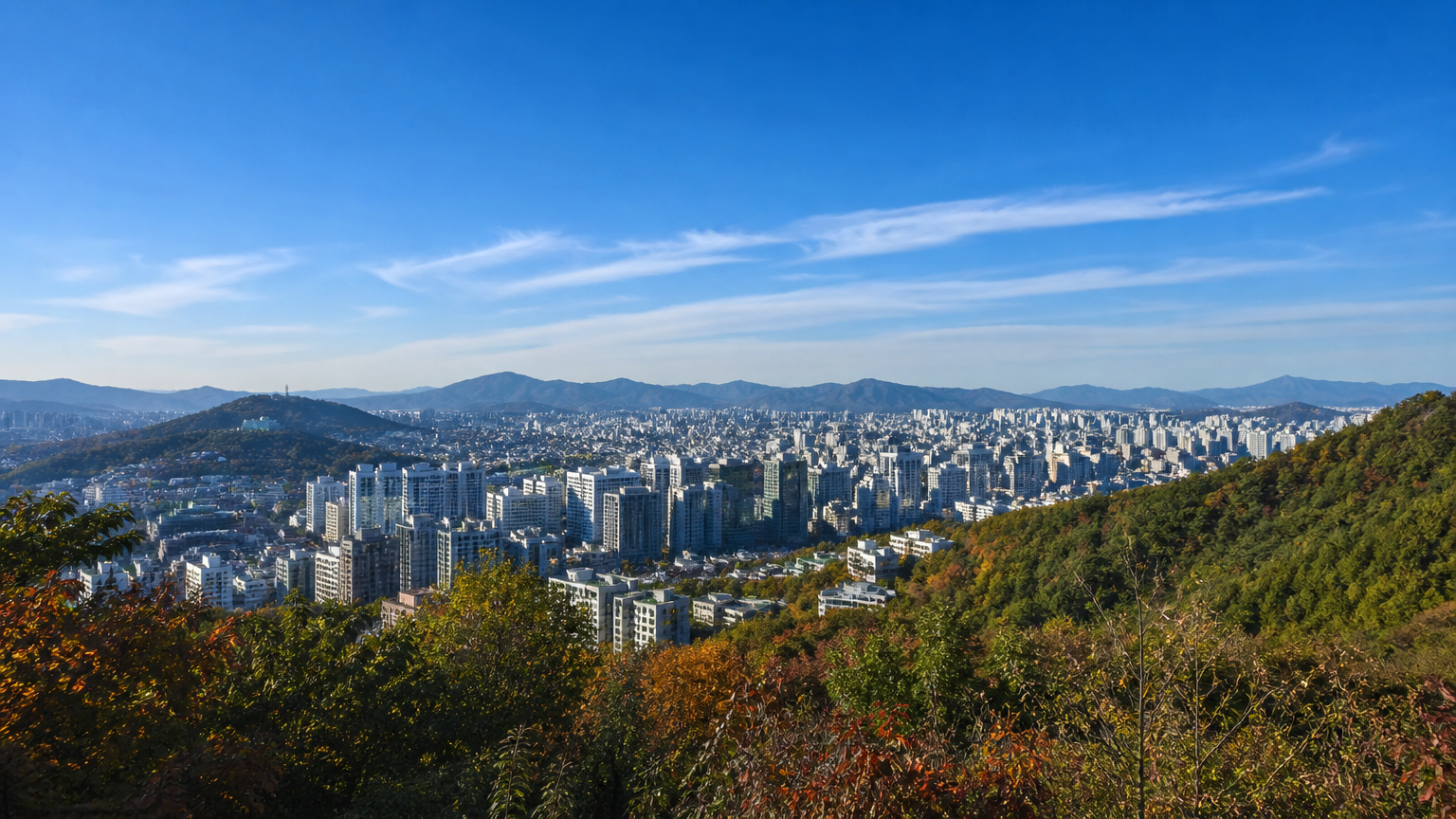
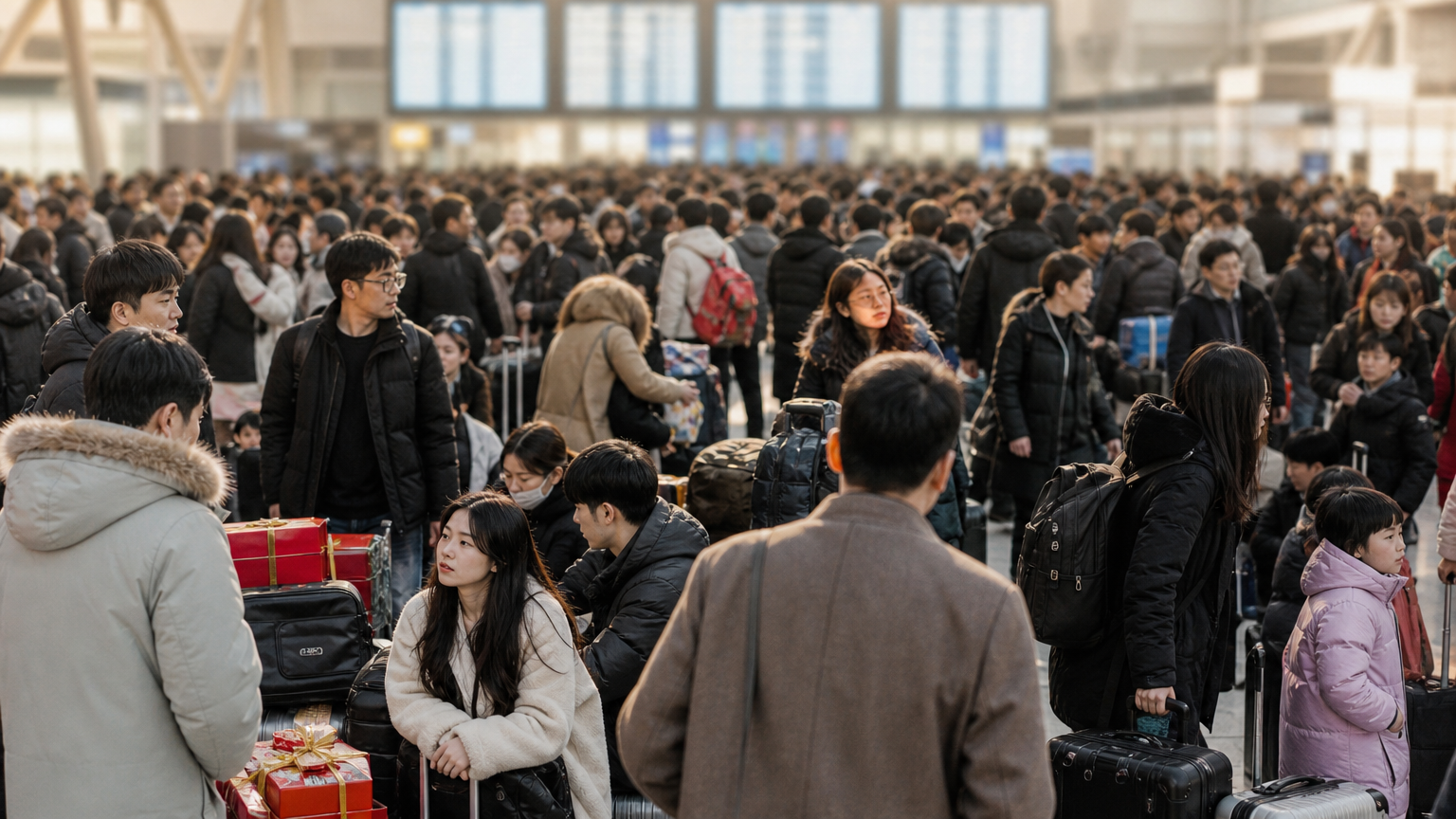
This is a holiday about going back. Not to a resort — to the town your family is from. Millions of people leave the cities on the same morning and drive toward the same handful of provinces.
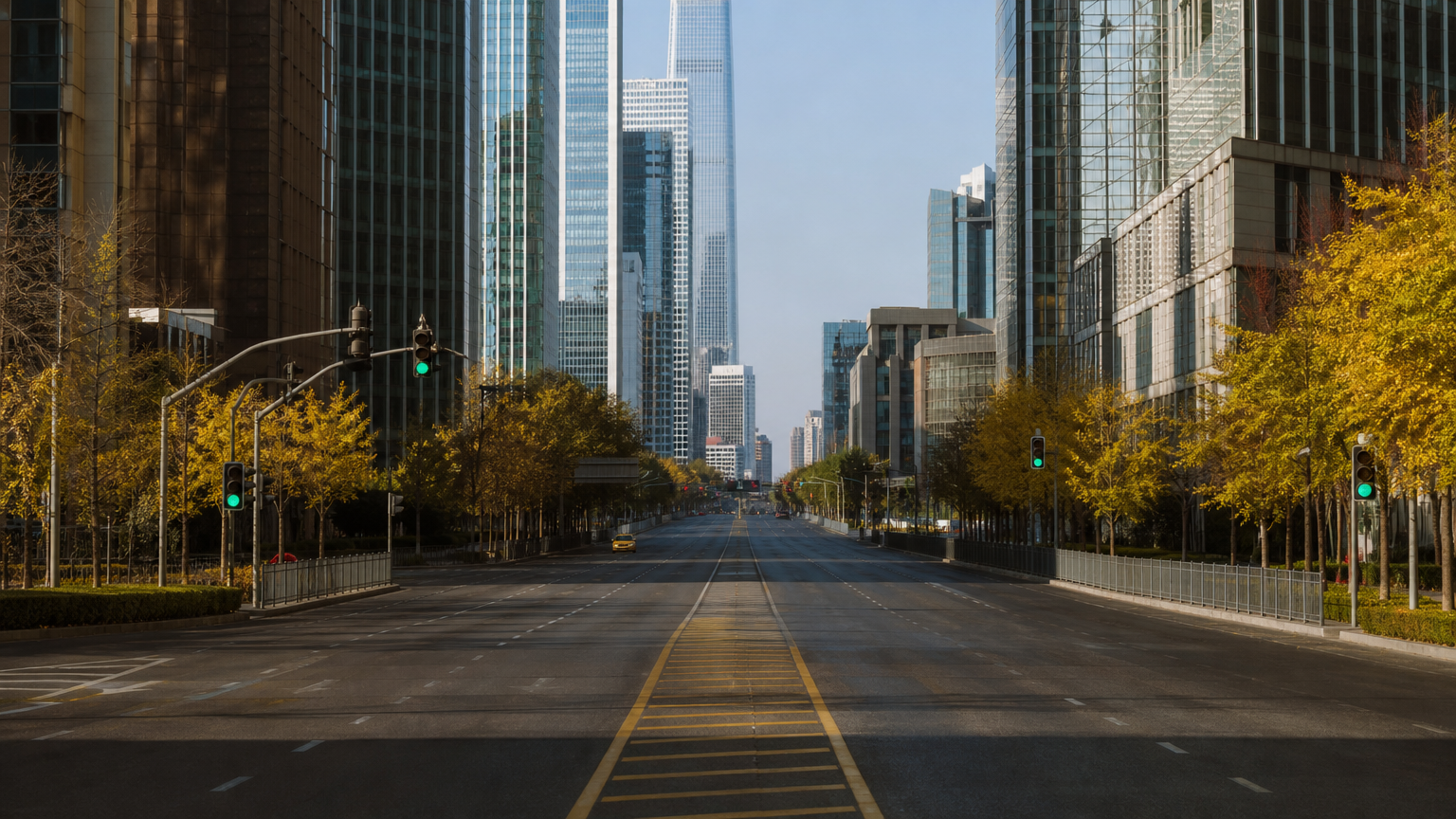
Seoul holds roughly ten million people, and a very large share of them were not born there. When they all leave at once, what is left is a capital running at something like half its usual density. Streets you could not photograph in August are suddenly empty. Restaurants that never take reservations have tables.
I have never experienced this myself, because I am always in the car heading south. The friends who stayed describe it the same way every time: quiet, and slightly unreal.
What actually closes
Less than the internet tells you. Here is the honest split.
| Open | Closed or reduced |
|---|---|
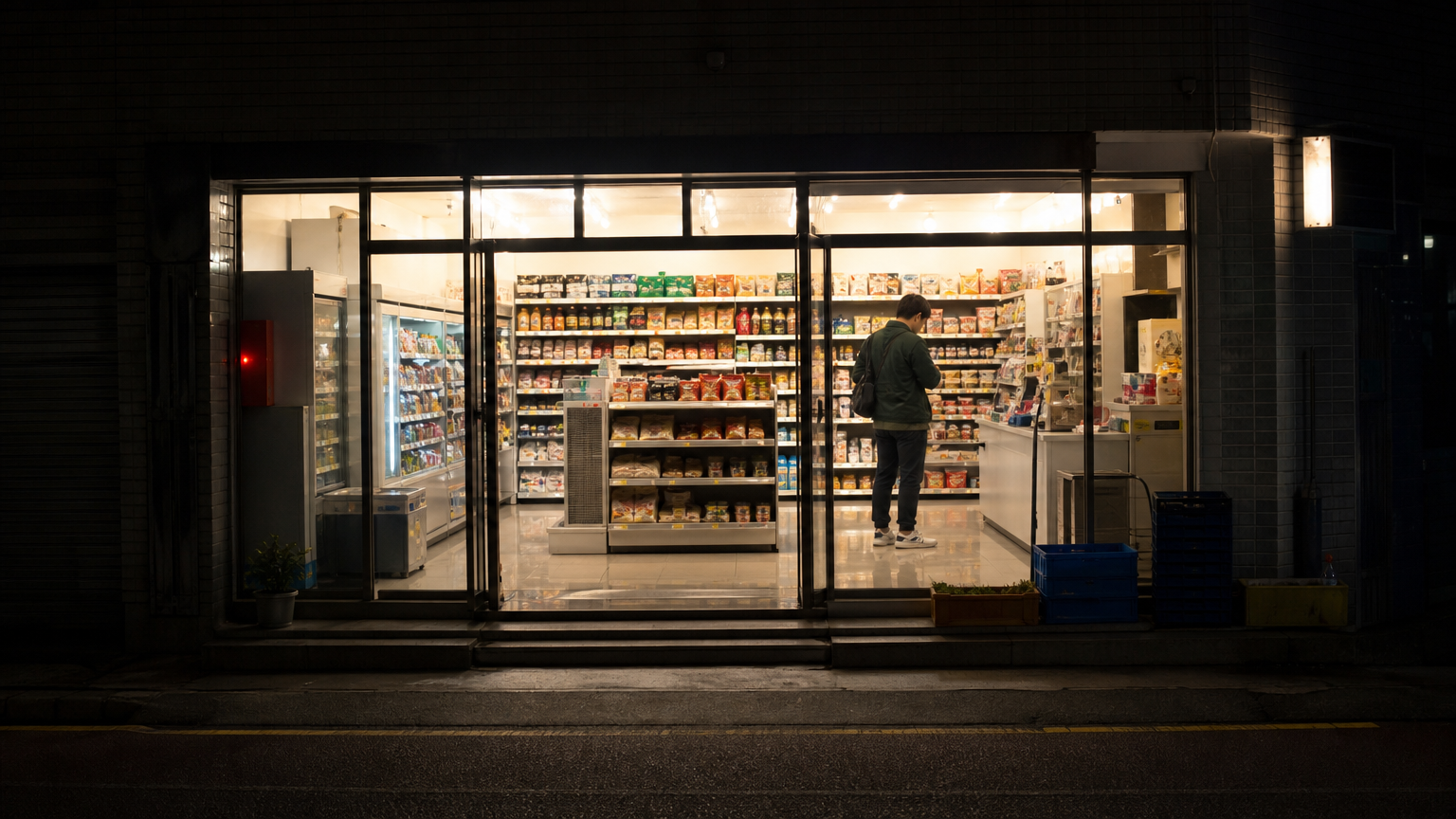
| Convenience stores, all of them, all night | Some large supermarkets on the day itself |
| Cafes and restaurants in Myeongdong, Hongdae, Gangnam | Small family-run places, often for the full three days |
| Subway and city buses, on a holiday timetable | Banks and government offices |
| Department stores and malls, usually reduced hours | Traditional markets, partly |
| Palaces, museums, towers, theme parks | — |
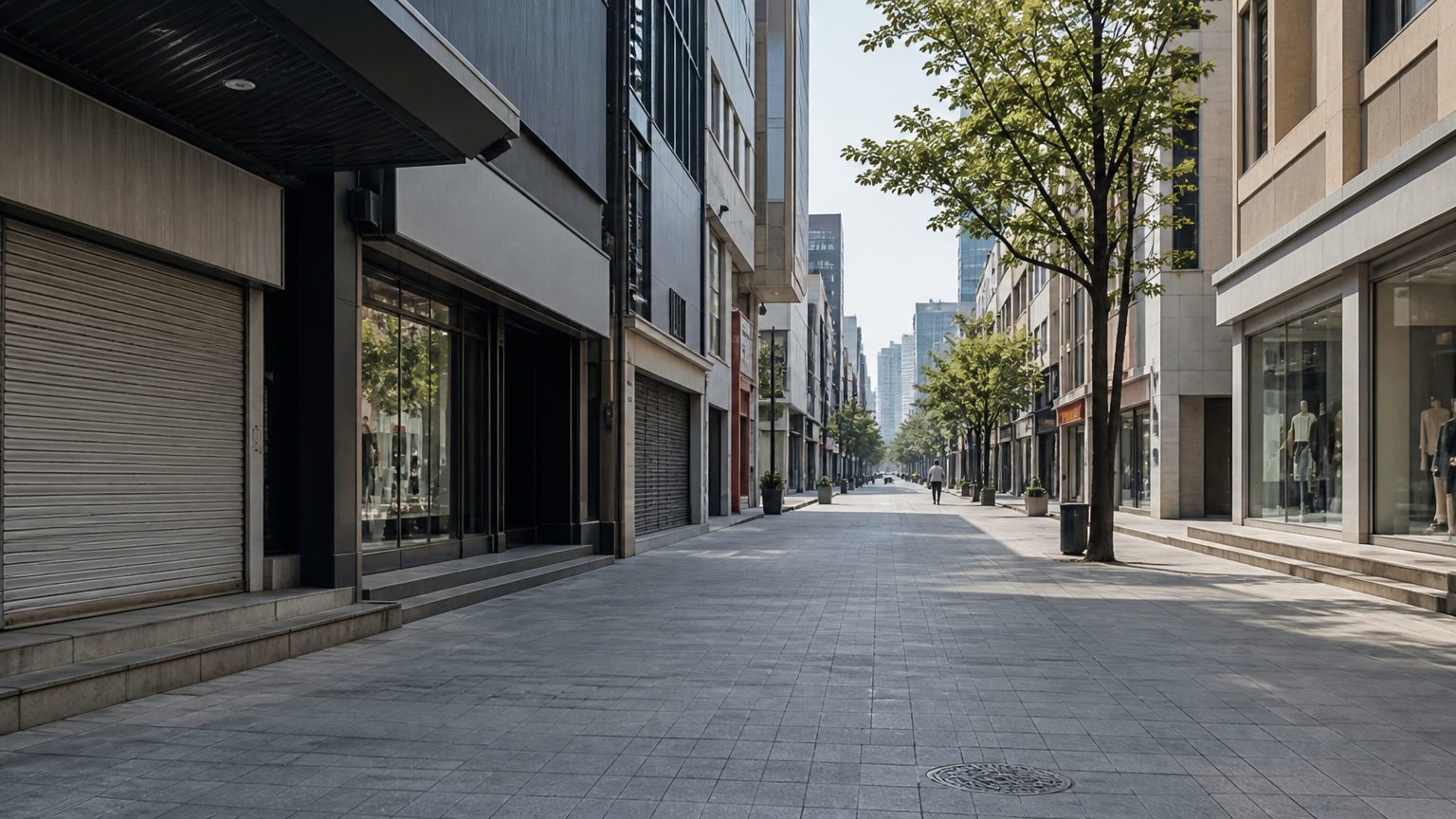
The pattern is simple once you see it: the bigger and more corporate the place, the more likely it is open. What closes is the small stuff — the one-owner restaurant, the neighbourhood dry cleaner, the little shop where the owner also has a family to see.
That is worth planning around if you had a specific tiny restaurant in mind. It is not worth panicking about.
The palaces are usually free — but check
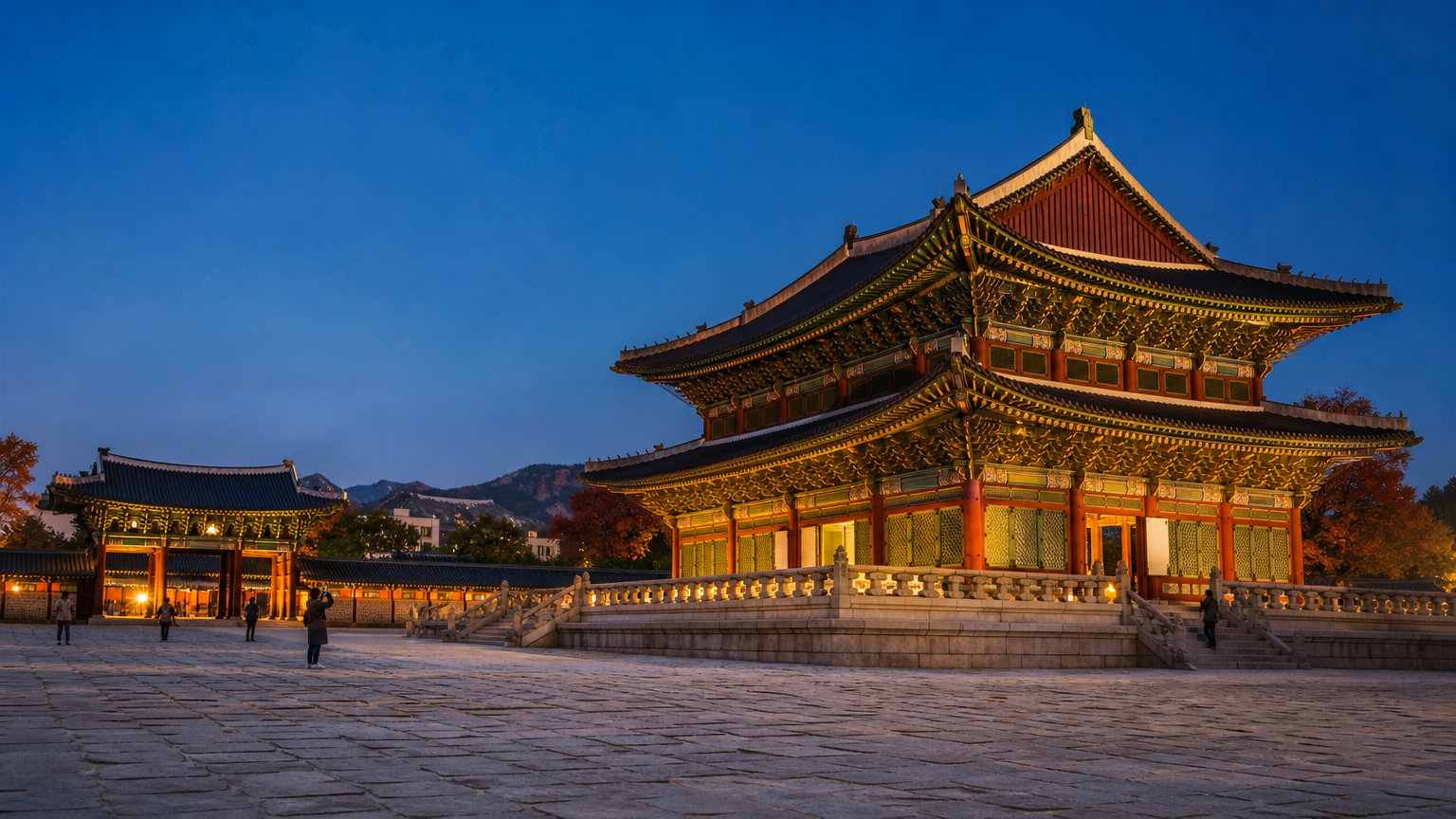
For years the state has opened the four main palaces, the royal shrine, and the Joseon royal tombs free of charge across this holiday, often with evening programmes attached.
I want to be careful here: the 2026 schedule has not been announced yet. What I can tell you is that this has happened every year for a long time, and that the announcement usually lands a few weeks before. Check the official heritage site closer to your dates rather than trusting a blog post written in August.
If it runs as usual, it is the single best-value thing available to you that week.
The one mistake: moving between cities
Everything above is the good news. This is the part that actually ruins trips.
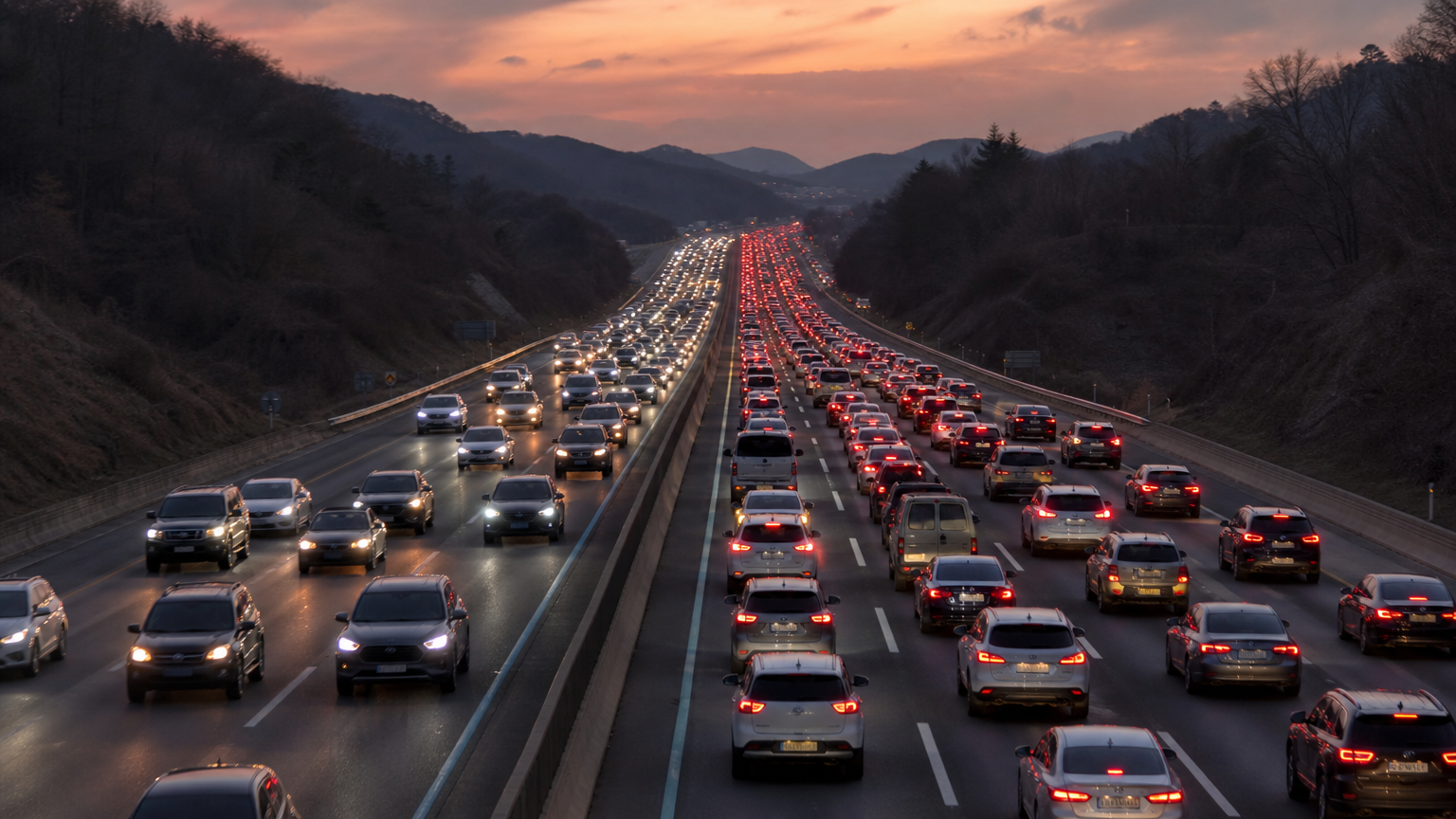
On the two days before the holiday and the last day of it, the entire country is on the move at the same time. A drive that normally takes four hours takes eight or nine. Train seats and express bus seats sell out the moment booking opens, one to two months ahead, and they do not come back.
So: be in one city and stay there. If you want Seoul, be in Seoul. If you want Busan, fly or go down early and stay put. Do not plan to see both across those four days — that plan looks fine on a map and is miserable in practice.
If you must move, book the instant reservations open and take whatever time you can get, including the unpleasant ones.
What I would do with those days
If I were a visitor with an empty city and nothing booked, this is the shape I would give it.
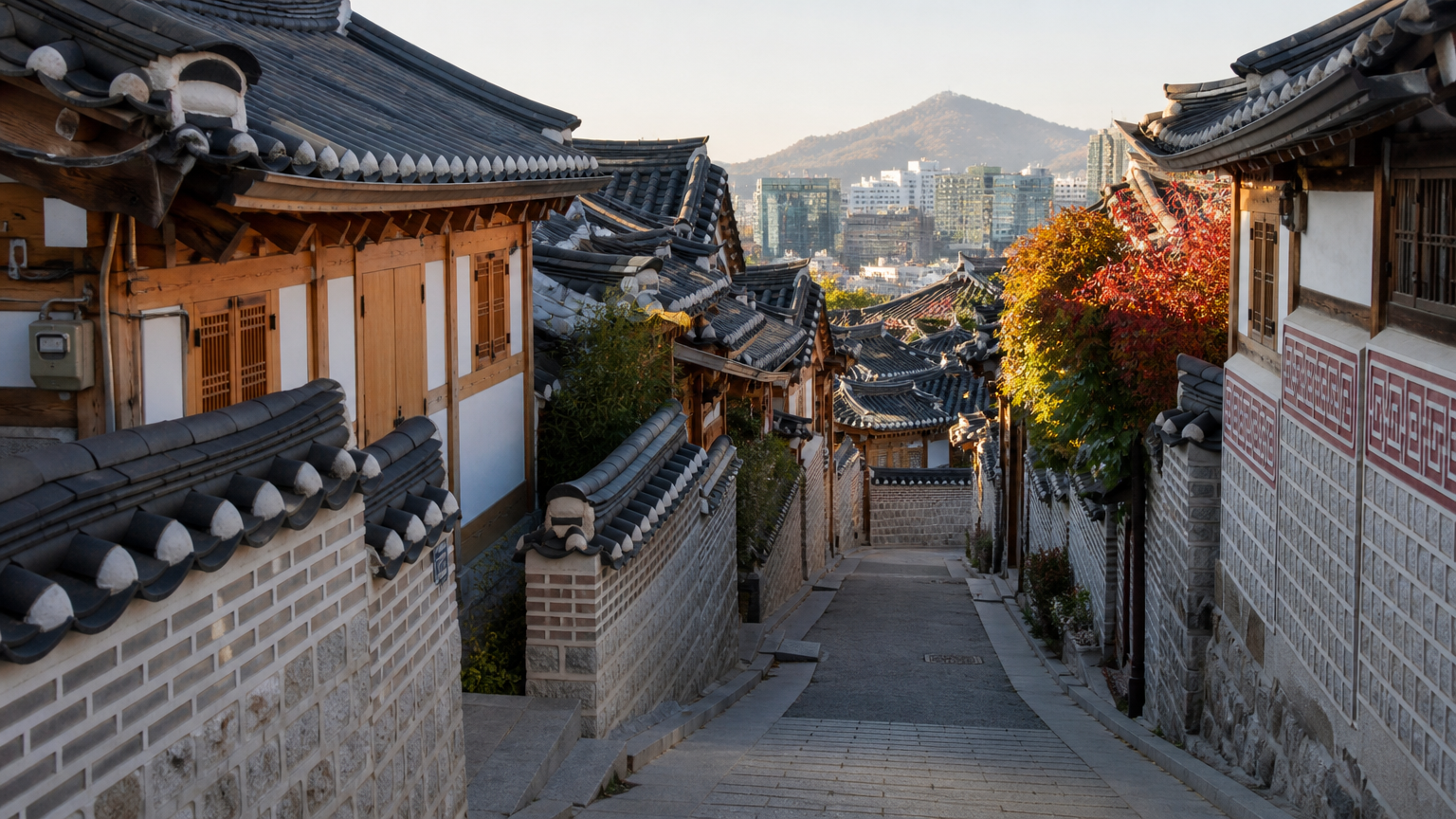
Walk the parts of the city that are normally unwalkable. Gwanghwamun, the alleys around Bukchon, the main shopping streets at ten in the morning — these are places that are usually a crowd management exercise and briefly are not.
Eat at the chains and the big places, not because they are better, but because they are open, and use the saved time to sit somewhere for two hours.
Go up a mountain. The trails inside the city are quieter too, and the weather in late September is the best it gets all year — dry, clear, and not yet cold.
And accept the strangeness. A capital with the sound turned down is a thing most visitors never see.
What the day itself is actually about
Nobody will explain this to you while you are here, so I will.
The morning is a memorial rite for the family's ancestors. Food is prepared and laid out in a set order, the family bows, and then everyone eats the food that was set out. In many households the rite has shrunk or disappeared and what remains is the meal and the arguing.
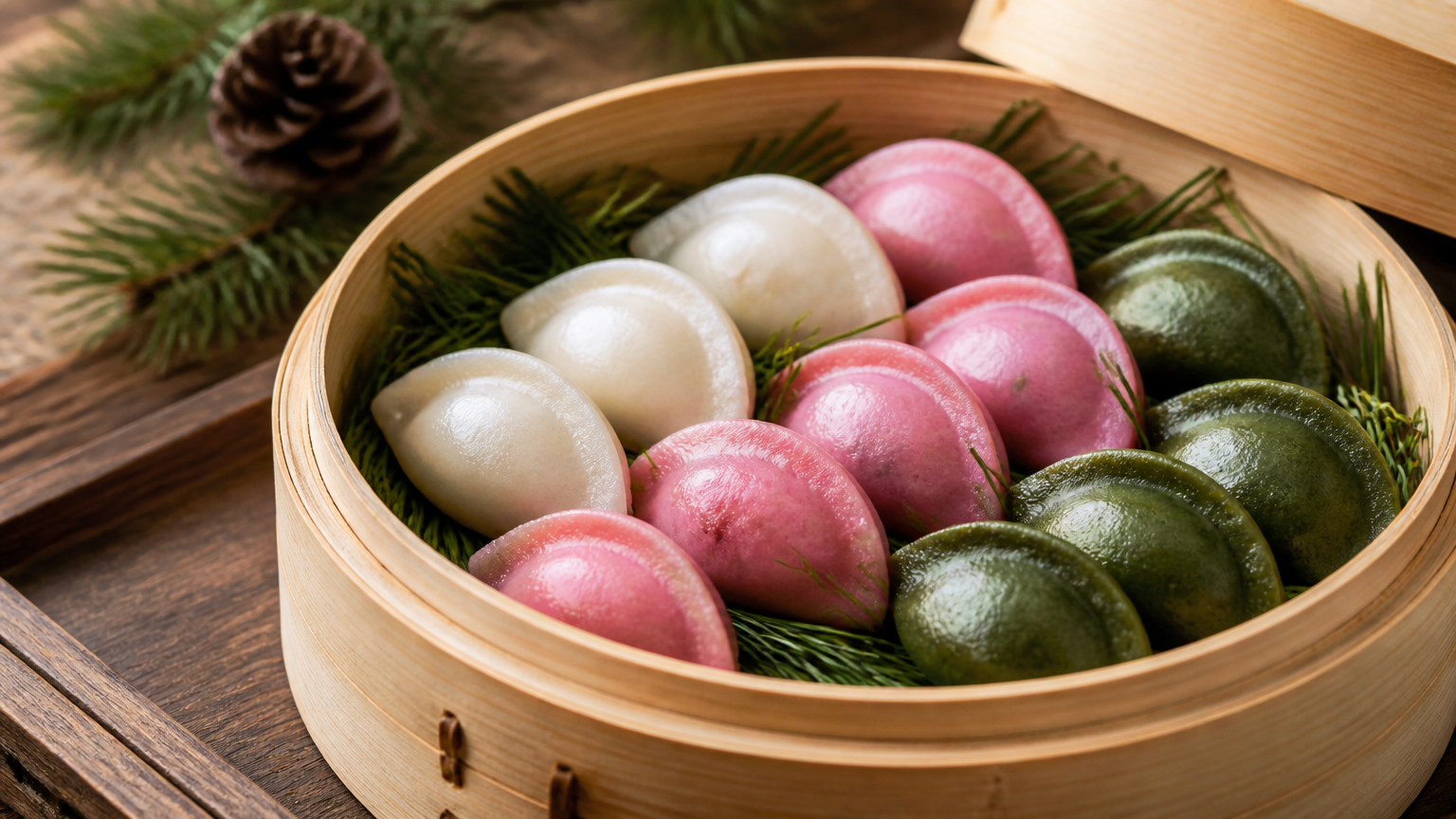
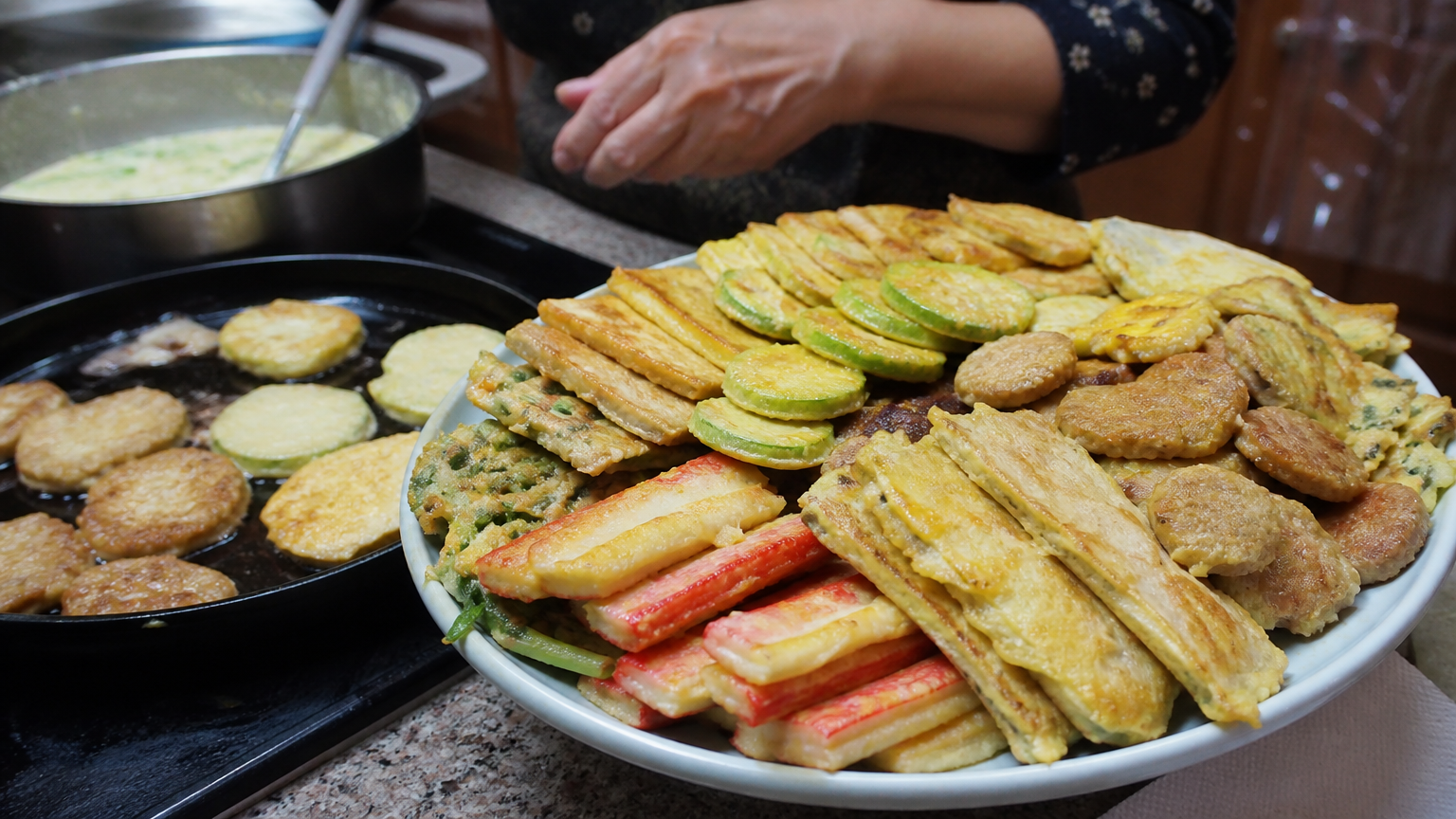
The food is specific to this week: songpyeon, small stuffed rice cakes steamed over pine needles, and jeon, a range of things dipped in egg batter and pan-fried. If you see songpyeon in a shop that week, buy one. They are only really made now.
Getting the timing right
If your dates are flexible and you want the empty city, aim to be in Seoul from the Thursday through the Sunday.
If your dates are flexible and you want the normal, loud, full version of this country, come the week after. Both are legitimate; they are simply different cities.
FAQ
Is everything closed during chuseok?
No. Convenience stores, chain restaurants, department stores, museums, palaces and public transport all run. What closes is mostly small independent businesses, plus banks and government offices.
Should I avoid visiting Korea during the holiday?
Not if you are staying in one city. Seoul is emptier and more pleasant than usual. Avoid it only if your itinerary requires travelling between cities on those specific days.
Can I still get a train to Busan?
Only if you book the moment reservations open, one to two months in advance. Seats sell out immediately and cancellations are rare on holiday services. Assume you cannot, and plan around staying put.
Will the palaces be free in 2026?
They have been free during chuseok every year for a long time, but the 2026 announcement has not been made yet. Check the official heritage authority closer to your dates.
What food should I try that week?
Songpyeon and jeon. Both are made specifically for this holiday and largely disappear from shops afterwards.
One last thing
The version of this country you see in September is not the version in the guidebooks, and that is the point. Guidebooks describe a full city. For four days you get to walk through the same place with most of the people taken out of it, which is the closest a visitor ever gets to seeing what a city looks like when it is resting.
I will be on a bus somewhere south of here, in traffic, and slightly jealous.