Busan Food: What People From Busan Actually Eat (And Why It Started With a War)

I grew up in Busan. When friends tell me they're going down there, they almost always say the same thing: we're going to eat raw fish at the fish market.
You can. It's good. But that's the Busan a visitor imagines, not the one I ate in. The food this city is actually built on is cheaper, hotter, and came out of the worst years in modern Korean history. This is a guide to Busan food the way people from there eat it — what the dishes are, how to eat them without getting it wrong, and where they came from.
Why the food here is different
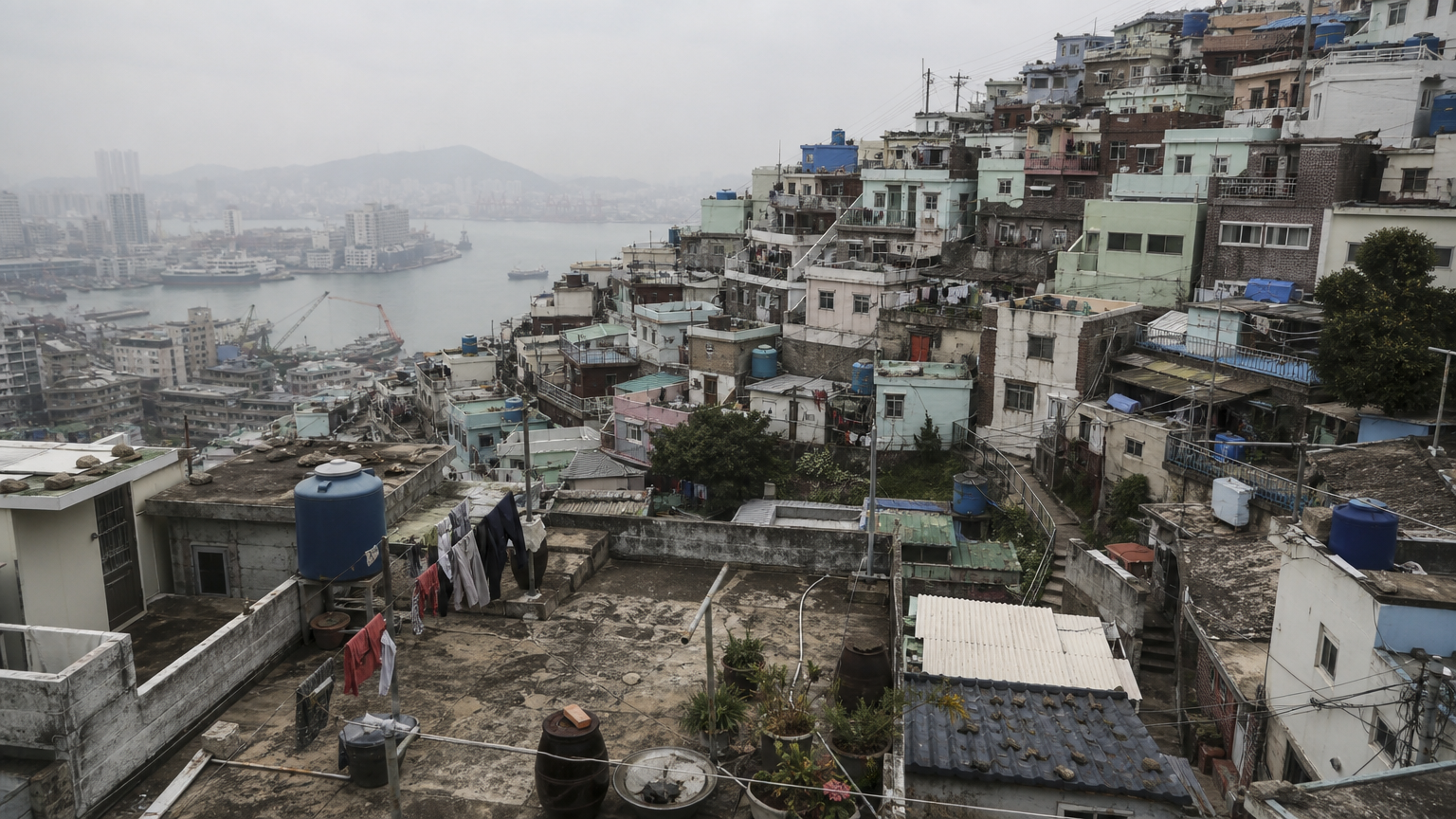
Busan was the city that didn't fall. During the Korean War it became the temporary capital, and refugees from the north poured in — hundreds of thousands of people, in a port city that had no room for them.
They cooked with what there was. American aid flour instead of the buckwheat they couldn't get. Pork offcuts instead of beef nobody could afford. Two of the dishes that came out of that period are now the things Busan is known for, which is a strange thing to say about food born from a refugee camp.
That's the thread running through this whole list. Busan food isn't refined. It's what people made when they had to make something.
Dwaeji gukbap: the one to eat first
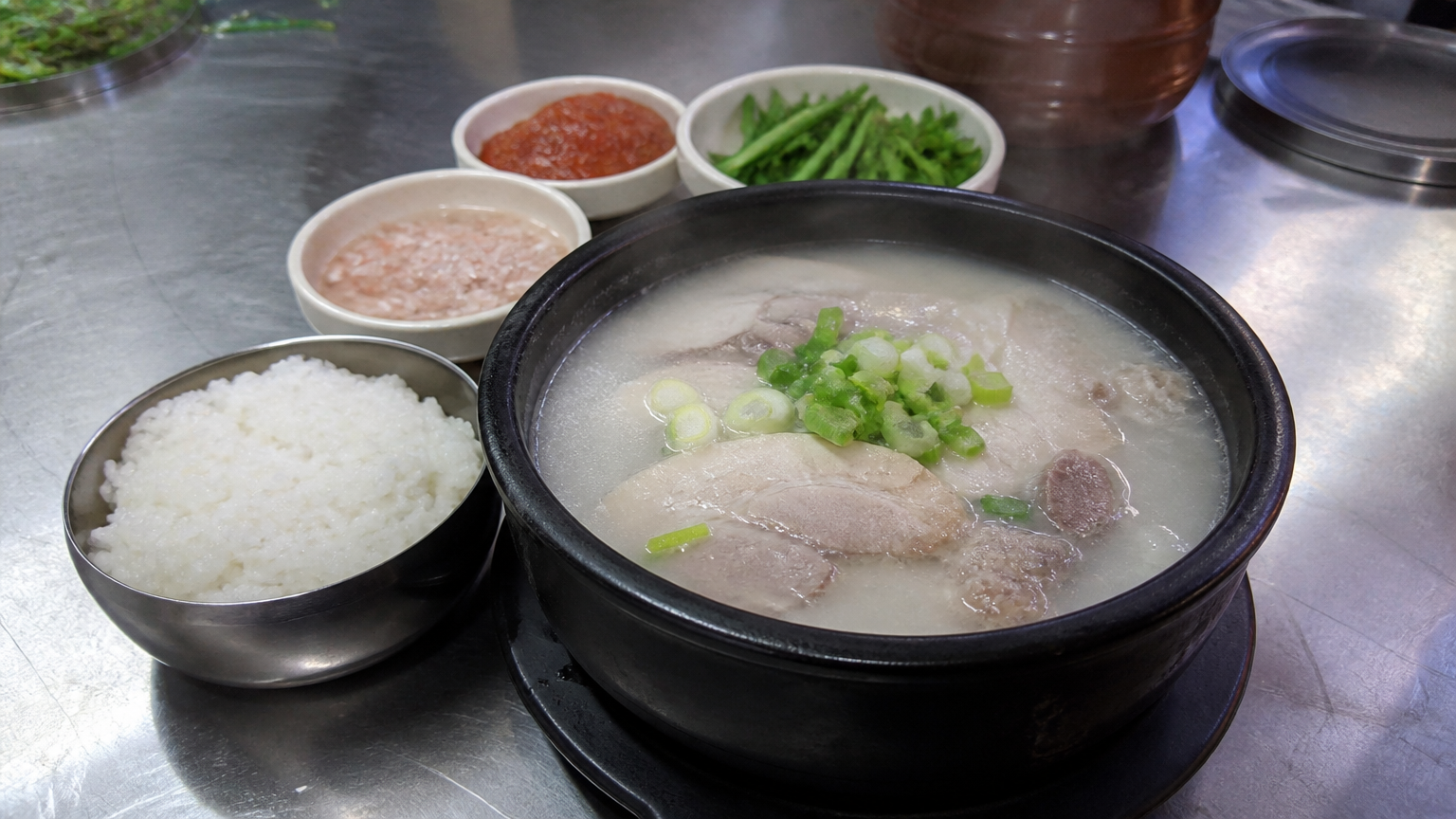
Pork and rice soup. A milky broth simmered from pork bones, slices of boiled pork, and rice — either already in the bowl or served alongside for you to add.
Accounts of its origin point to the same war years: refugees who settled here used the cheap pork parts nobody else wanted and turned them into something you could feed a family on. It's still cheap, it's still filling, and it's eaten at every hour of the day.
How to eat it without getting it wrong:
-
The bowl arrives fairly plain. You season it yourself. That's not an oversight.
-
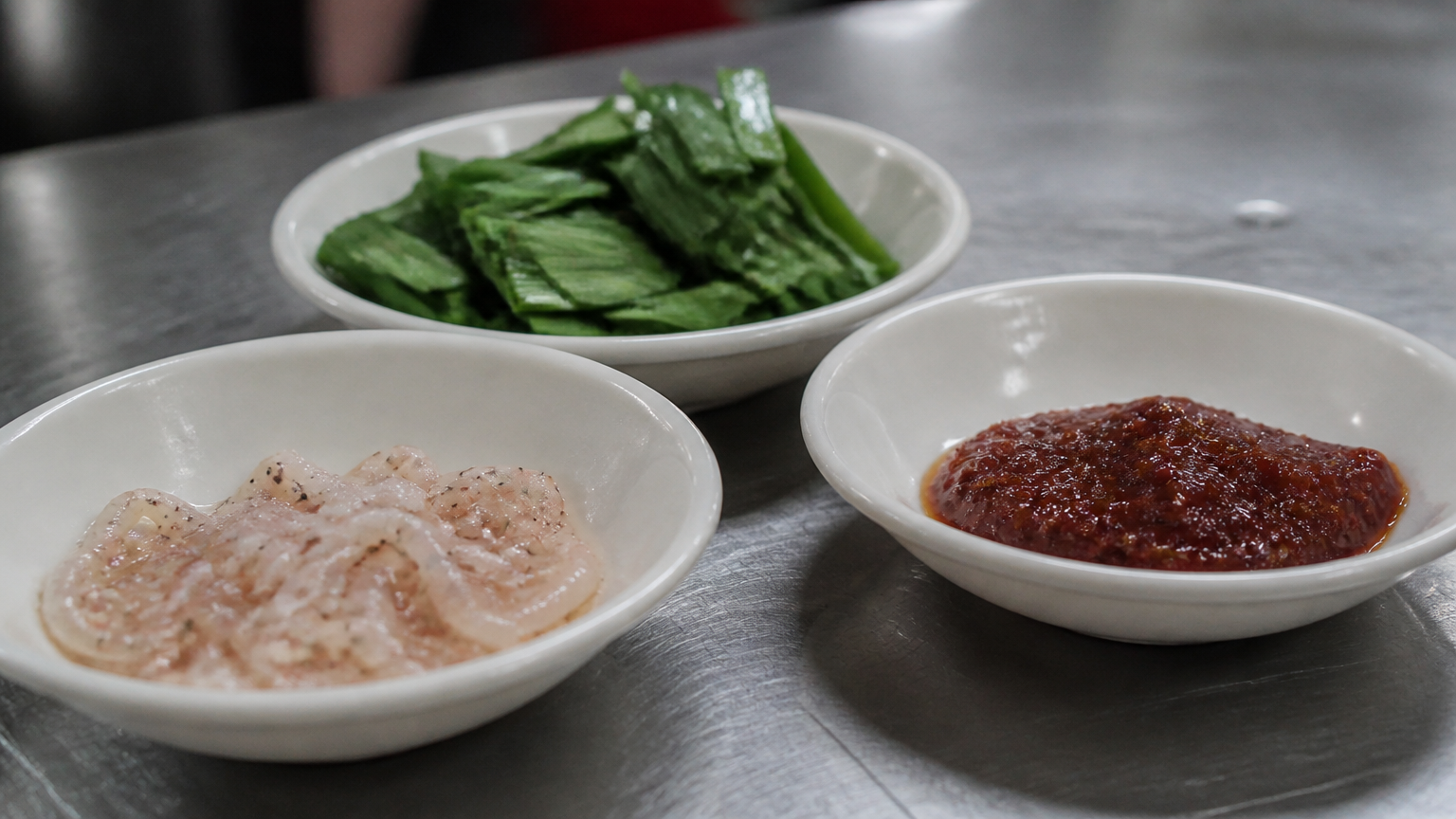
Saeujeot (salted fermented shrimp) is the salt. Add a little, taste, add more. This is the step visitors skip, and it's the one that makes the dish.
-
Buchu (garlic chives) go in by the handful. They cut the fat.
-
Dadaegi, the red chilli paste, is the heat. Stir it in gradually — you can't take it out.
-
If the rice comes separately, that's ttaro gukbap. Tip it in or eat it alongside. Both are normal.
If you order one dish in Busan, make it this one. Dwaeji gukbap is the closest thing the city has to a civic dish.
Milmyeon: the summer one
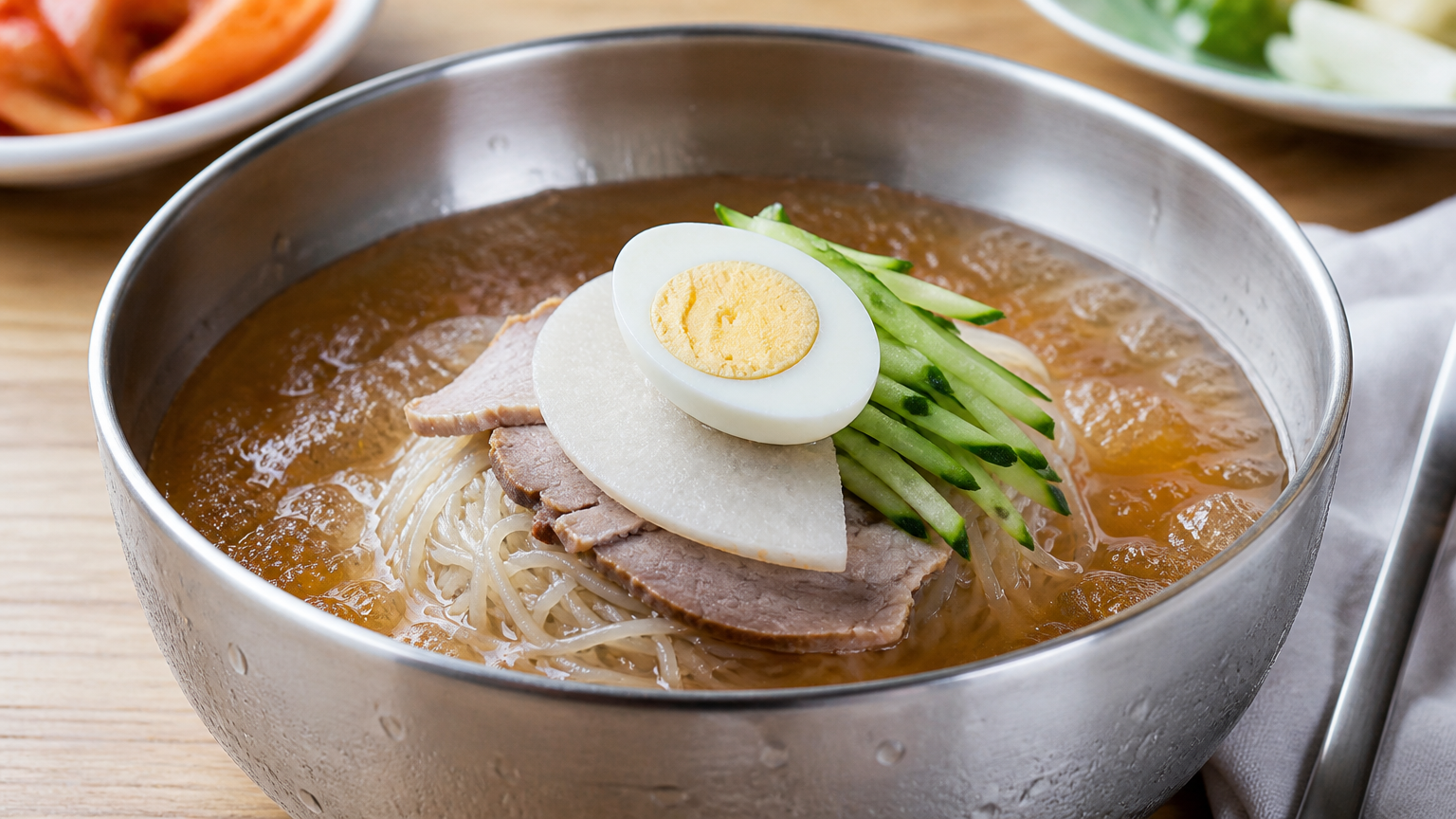
Cold wheat noodles in a chilled broth. If you know naengmyeon, milmyeon is its Busan cousin, and it exists for a specific reason.
Refugees from the north wanted the cold noodles they'd eaten at home, but buckwheat and potato starch were nowhere to be found in wartime Busan. Wheat flour, arriving as aid, was everywhere. So they made the noodles from that instead. There are competing accounts of exactly who did it first, and Busan people will argue about it, but they all land in the same decade for the same reason.
The result is softer and chewier than naengmyeon, and the broth is usually sweeter. Two ways to order:
-
Mul milmyeon — in cold broth. Start here.
-
Bibim milmyeon — no broth, mixed with chilli sauce. Order a small bowl of the broth on the side; everyone does.
It's a summer dish. Eating it in February marks you out as someone who read about it on the internet, which is fine, but now you know.
Eomuk: not the same as the fish cake you've had
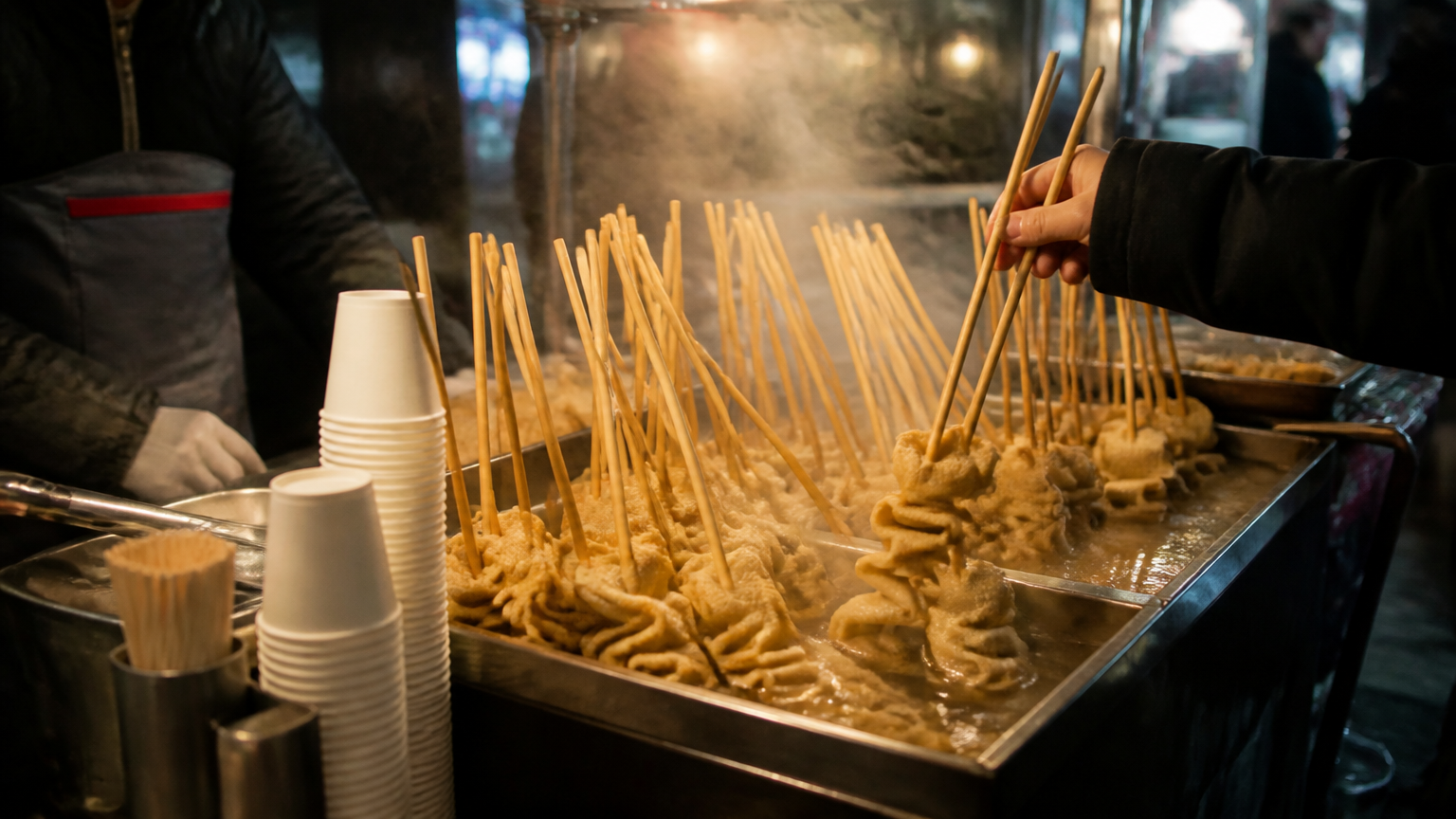
Fish cake, and Busan is the place it comes from. On the street you'll find it as flat sheets folded onto skewers, simmering in a broth you're welcome to drink for free from the paper cups stacked beside the pot.
That broth is the point. Standing at a street stall in winter with a skewer in one hand and a cup of hot anchovy broth in the other is one of the specific pleasures of this city.
There's a second version, sold in department store food halls and shops near the station, closer to a bakery product — filled, fried, boxed as a gift. Both are real. The street one is the one I'd send you to.
Ssiat hotteok: the seed one
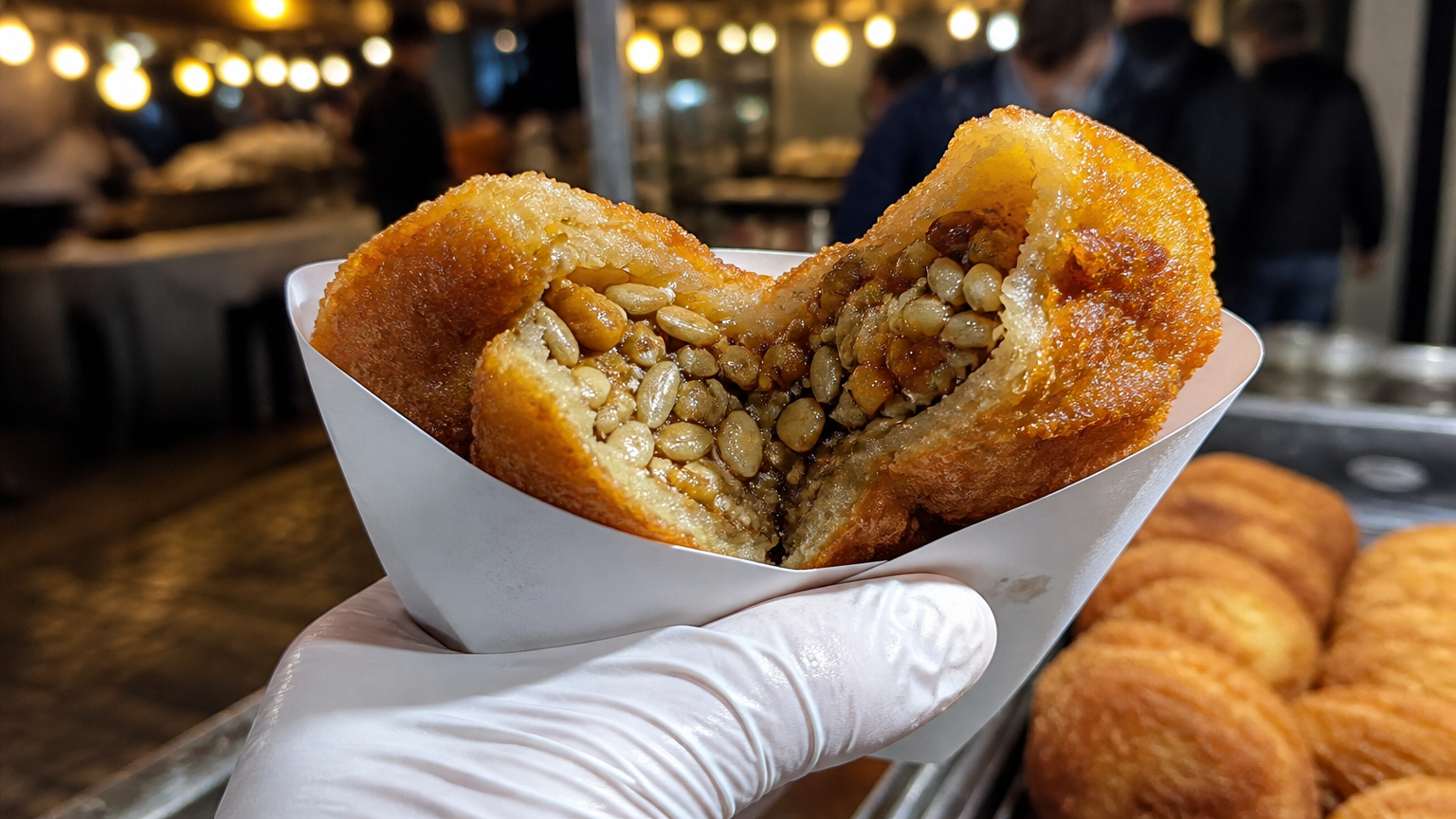
Hotteok is a sweet pancake fried on a griddle, sold across Korea in winter. The Busan version splits it open after frying and packs the molten inside with sunflower seeds and nuts.
It sounds like a small change. It isn't — it turns a sweet snack into something with texture and salt in it. You'll find these around Nampo-dong and the Bupyeong Kkangtong Market, usually with a queue, and the queue is a reasonable signal.
Eat it standing up, immediately, and be careful: the sugar syrup inside comes out at a temperature that will genuinely burn you.
About the raw fish
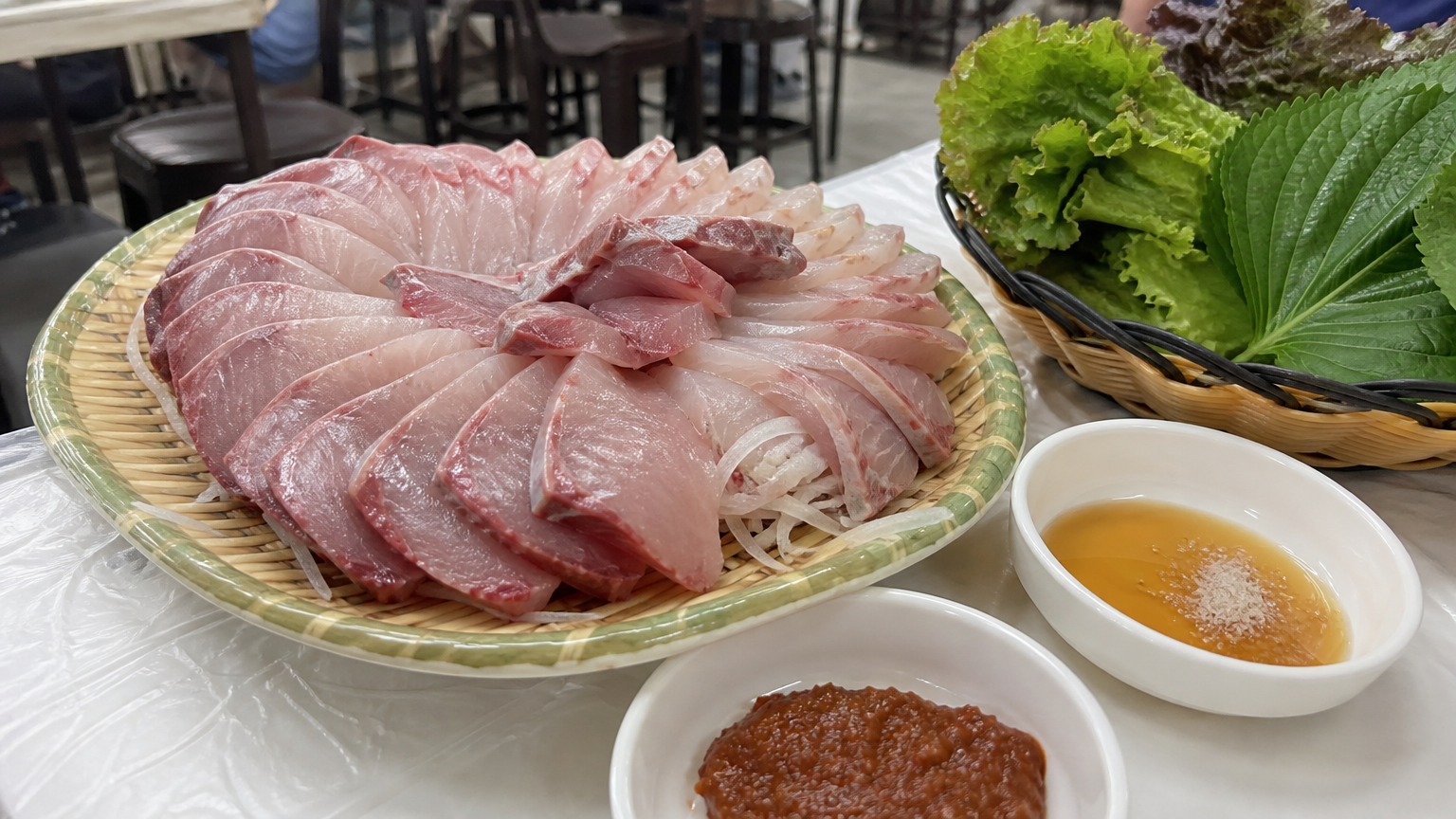
Jagalchi Market is the famous one, and yes, people from Busan eat hoe — raw fish, sliced thick, eaten with sesame oil and salt or with ssamjang and lettuce rather than the soy and wasabi you might expect.
But I want to be honest about frequency. Raw fish is what we eat for an occasion — a family gathering, someone visiting, a birthday. It's not a Tuesday. If you've only got two meals in the city and you spend both at a fish tank, you'll have eaten well and missed what the place actually tastes like.
Grilled clams at the beach in summer belong in the same category: real, local, and occasional.
Where to go
| Area | What it's for |
|---|---|
| Jagalchi Market | Raw fish, the working port, seafood upstairs |
| Bupyeong Kkangtong Market | Street food density, night market, ssiat hotteok |
| Nampo-dong | The surrounding blocks, older restaurants |
| Seomyeon | Where locals actually eat and drink at night |
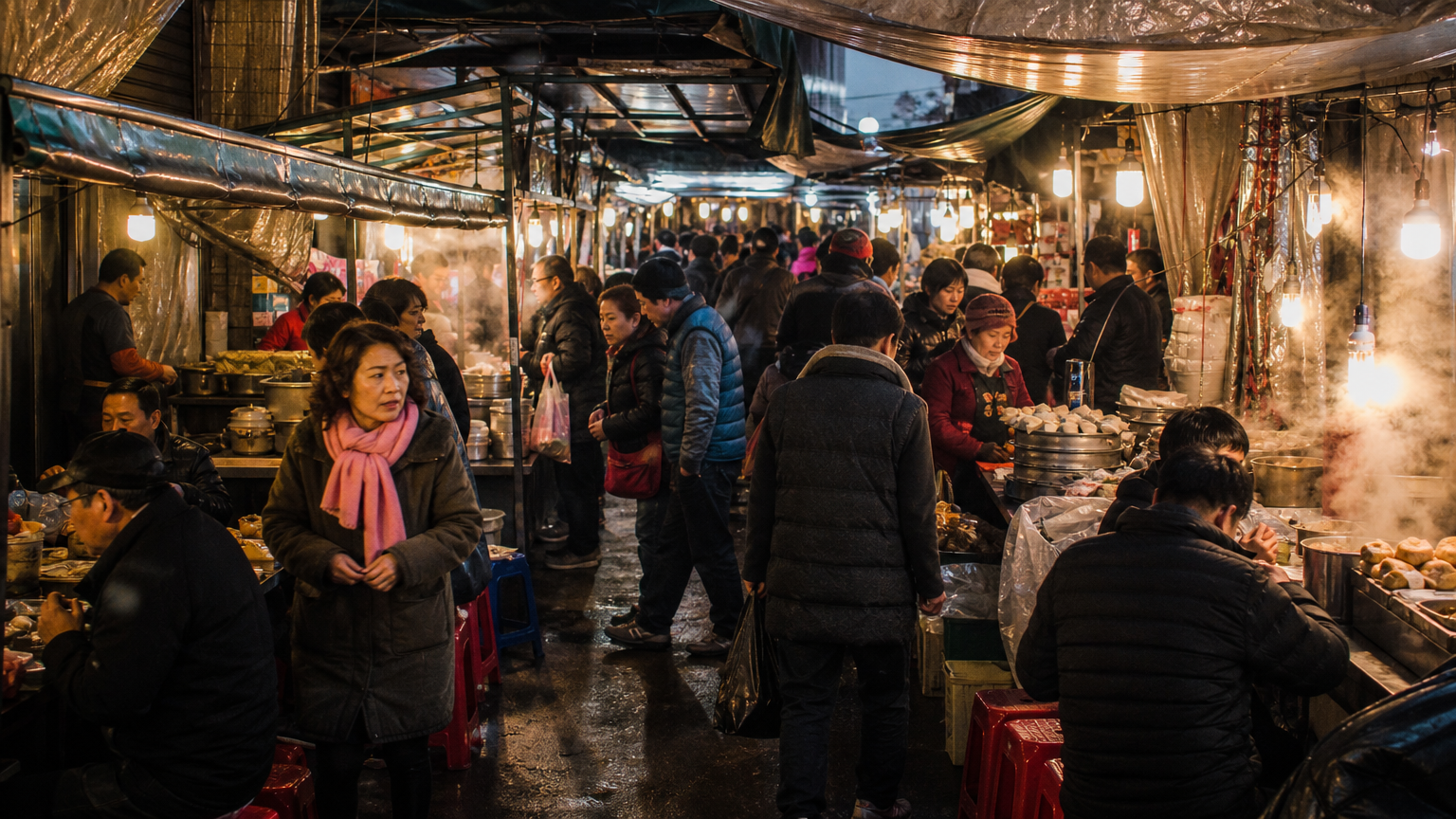
Nampo-dong and Kkangtong Market sit next to each other, so one afternoon covers both. Seomyeon is the one visitors miss — it's not scenic, it's just where the city eats.
Getting there from Seoul
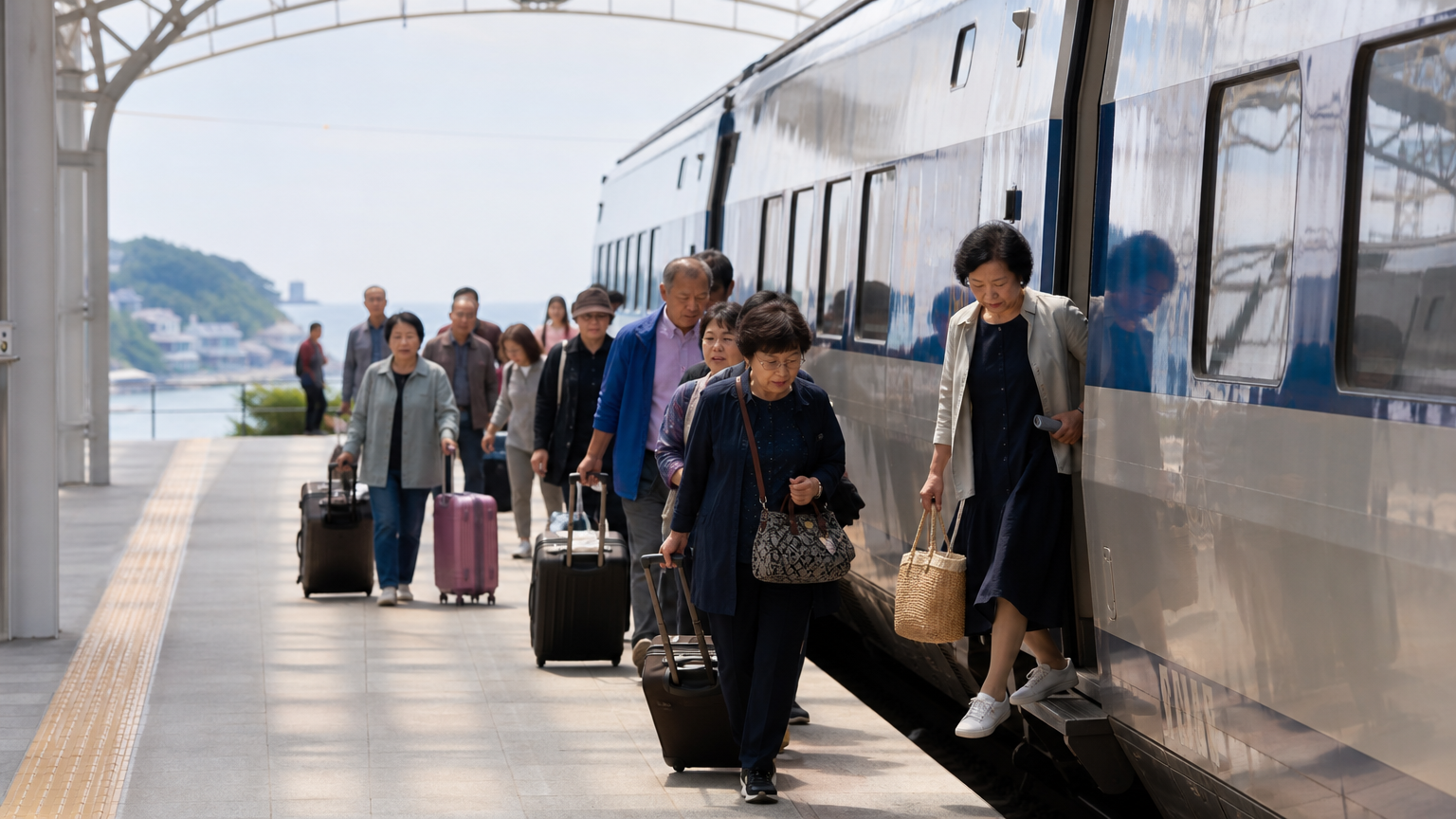
Two and a half hours on the high-speed train from Seoul Station. The trains are frequent enough that Busan works as an overnight trip, and the food alone justifies it. The one thing to sort out before you go is the ticket — booking with a foreign card is the part that trips people up, and it's worth solving at home rather than at the station.
FAQ
What is the one Busan food I should not leave without eating?
Dwaeji gukbap. It's the dish the city is built on, it costs very little, and it's available everywhere at any hour.
Is milmyeon just Busan naengmyeon?
Not quite. The noodles are wheat rather than buckwheat or potato starch, which makes them chewier and softer, and the broth tends to be sweeter. Same family, different dish.
Is dwaeji gukbap very strong-tasting?
It's a pork bone broth, so it has a distinct smell that some people notice on the first spoonful. The saeujeot, chives and chilli paste on the table are there precisely to balance it. Season it properly and it stops being an issue.
Can I eat Busan food if I don't eat pork?
Milmyeon, eomuk, ssiat hotteok and everything at Jagalchi are all pork-free. You'll miss one dish, not the city.
How much should I expect to pay?
These are working-class dishes and priced like it. Street food and a bowl of soup are among the cheapest full meals you'll eat in Korea. Raw fish at the market is the exception and can run high — agree on the price before anything is cut.
One last thing
There's a version of Busan that gets sold to visitors: beaches, a fish market, a colourful hillside village. It's a real place and it photographs well.
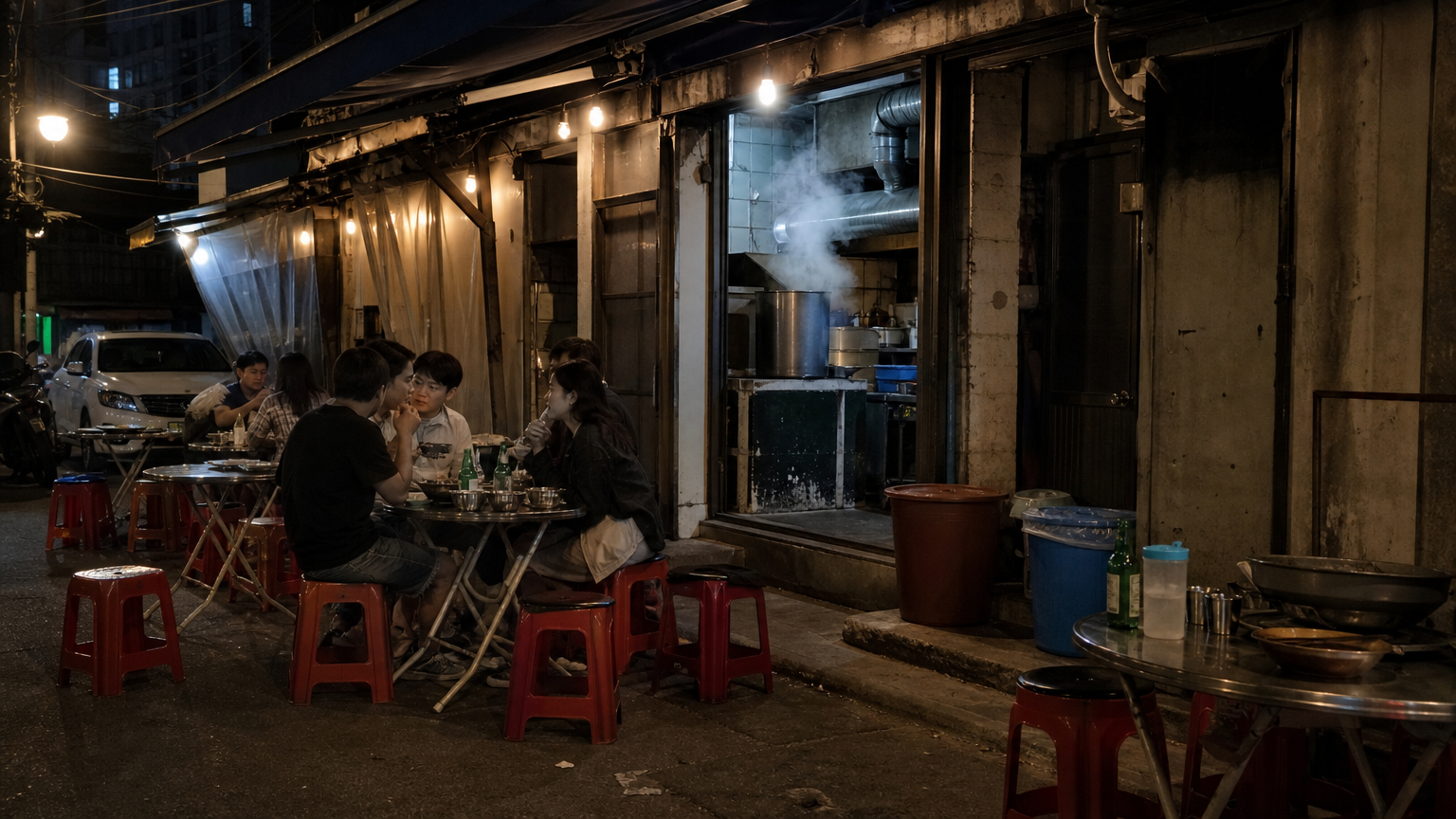
The one I grew up in smells like pork broth on a cold morning and has a plastic stool outside every second doorway. If you go down and eat one bowl of soup seasoned by your own hand, you'll have got closer to it than any list of sights will take you.